
Cryptocline needle blight of yew
Cryptocline taxicola
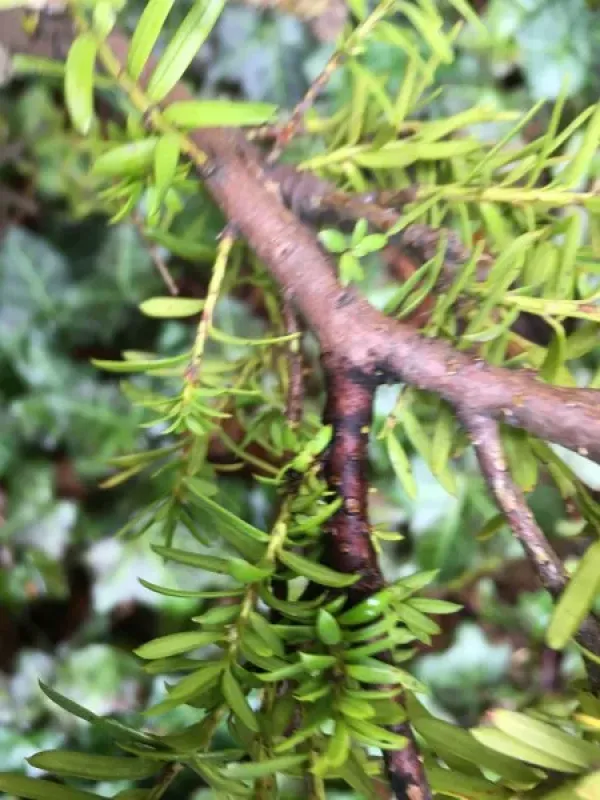
Description
Symptoms
The earliest symptom is the emergence of small brown or reddish-brown necrotic spots or lesions appearing on the needles of the yew tree.
As the infection progresses, tiny fruiting bodies of the fungus appear as microscopic dots, often visible on the underside of the affected needles.
The needles subsequently turn yellow and eventually transition to a distinct rust-brown color before falling prematurely from the branches.
Significant defoliation occurs in advanced stages of the disease, resulting in sparse, thin foliage and a lack of the natural density characteristic of healthy yews.
In severe cases, the fungus may spread to the twigs and young shoots, causing localized dieback and stunted growth of the new annual vegetation.
Pathogen
The disease is caused by the pathogenic fungus Cryptocline taxicola, which is a member of the Deuteromycetes group, specifically affecting Taxus species.
The fungus thrives within the needles of yew trees, where it develops its reproductive structures that eventually break through the epidermal layer.
These fungal structures produce numerous conidia (spores) that serve as the primary source of infection for neighboring healthy tissues during wet conditions.
The pathogen is known for its ability to overwinter in infected needles that have fallen to the ground, creating a reservoir for reinfection the following spring.
Its biological cycle is tightly linked to moisture levels, as the fungus requires a film of water on the plant surface to facilitate spore germination and entry.
Conditions for development
High humidity levels and prolonged periods of rainfall are the most critical environmental factors that trigger the spread and development of the disease.
Poor aeration within the canopy, often caused by overly dense planting or lack of pruning, creates a stagnant environment where humidity levels remain high.
The fungus is most active during cool to moderate spring and summer temperatures, especially when the needles remain wet for extended intervals.
Incorrect irrigation practices, such as overhead watering that keeps the foliage constantly moist, significantly increase the risk of infection outbreaks.
Areas of the garden with low airflow and limited direct sunlight are particularly susceptible to persistent infection due to the slower evaporation of water.
Why it matters
Cryptocline needle blight significantly diminishes the aesthetic appeal of yew trees, which are highly valued for their dark green, dense foliage in landscaping.
The loss of foliage leads to reduced photosynthetic capacity, which weakens the plant and makes it more susceptible to secondary pests and environmental stress.
For ornamental nurseries, this disease can cause substantial economic losses due to the need to discard infected inventory that fails to meet quality standards.
Chronic infection, if left unmanaged, can lead to the gradual decline and eventual death of the plant, especially in younger or poorly maintained specimens.
A weakened yew tree is much less capable of recovering from winter damage, making it prone to further decline once the growing season ends.
Protection
Sanitation is the cornerstone of management; all fallen needles and visibly infected twigs must be collected and disposed of immediately to stop the cycle.
Strategic pruning should be performed to open up the canopy, improve airflow, and reduce the time that needles remain wet after rain or dew.
Chemical control involving copper-based fungicides is highly effective if applied as a protective measure early in the growing season.
For established infections, systemic fungicides may be necessary to inhibit fungal growth from within the plant tissues and stop the spread to new growth.
- Avoid overhead irrigation to keep the foliage dry.
- Maintain plant vigor through balanced fertilization and proper hydration.
- Regular inspections to detect early symptoms and limit spread.
Discussion
No discussions yet — be the first.