
Cryptobasidiaceae
Cryptobasidiaceae
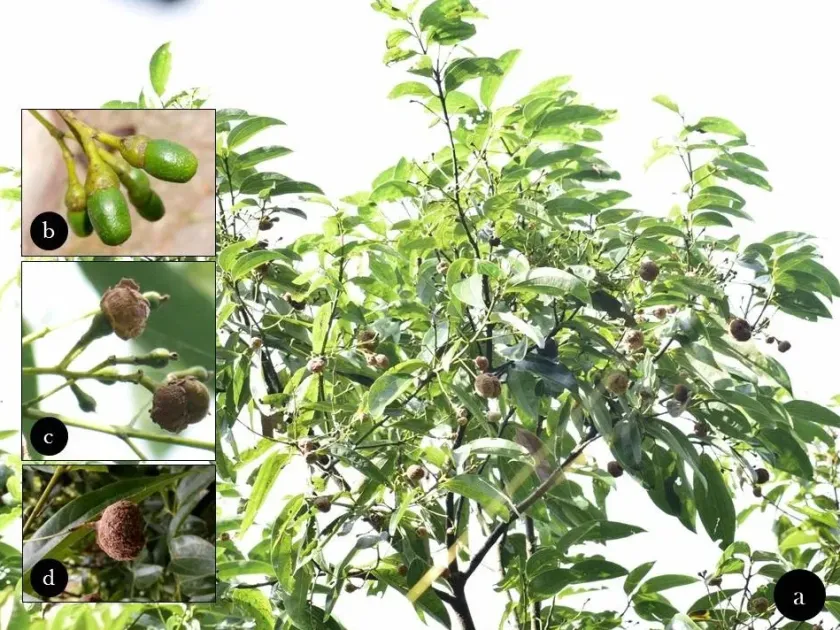
Description
Symptoms
The primary indicators of infection include localized deformities in leaves, stems, or fruits. These areas often display significant tissue swelling and changes in pigmentation, such as fading to pale green, yellow, or red.
A distinct powdery or velvety coating often appears on the affected surfaces, which is the result of fungal sporulation. The color of this layer can vary between white, pink, or light grey depending on the specific species.
Over time, infected tissues may become brittle or develop necrotic spots. In many cases, leaves undergo severe twisting, curling, or thickening, which dramatically alters the plant's natural morphology.
When reproductive organs are affected, fruit development is often stunted or deformed. Such fruits frequently exhibit cracks, skin lesions, and poor texture, rendering them commercially unsuitable for market.
Accurate identification often requires microscopic examination to distinguish these symptoms from other physiological disorders or viral infestations, especially when the characteristic sporulation layer is not yet fully developed.
Pathogen
Cryptobasidiaceae is a family of basidiomycete fungi belonging to the order Exobasidiales. These organisms are known as obligate parasites that specifically target various plant species, leading to structural and functional anomalies.
The life cycle of the pathogen is deeply integrated with the host plant's development. The fungal mycelium penetrates the intercellular spaces, absorbing nutrients and releasing metabolic compounds that trigger abnormal cell division within the host tissues.
A key characteristic of this family is the absence of macroscopic fruiting bodies. Instead, the fungus produces basidia directly on the surface of affected plant organs, making early detection a significant challenge for growers.
The diseases caused by these fungi are typically characterized by hypertrophic symptoms, where the plant tissue exhibits localized swelling or gall formation due to the pathogen's hormonal influence on plant cells.
Dissemination is achieved through basidiospores, which are easily transported by wind, rain splashes, or insect vectors, facilitating rapid spread across a field during periods of favorable environmental conditions.
Conditions for development
Fungi of the Cryptobasidiaceae family thrive under conditions of high humidity. Persistent fog, heavy dew, and frequent rainfall are the most critical factors driving the germination and spread of spores.
Optimal temperatures for the development of most species in this family range from 15 to 22 degrees Celsius. Within this thermal range, the incubation period is significantly reduced, leading to rapid disease escalation.
High planting densities create a microclimate with restricted air circulation, which helps maintain high humidity levels on leaf surfaces. This stagnant air promotes the successful colonization of new host tissues by fungal spores.
The presence of free water (surface moisture) on leaves for several consecutive hours is generally required for the basidiospores to germinate and successfully penetrate the plant's protective layers.
Poor soil drainage and excessive soil moisture can also contribute to plant stress, weakening the host's natural defenses and making it more susceptible to infection by these basidiomycete pathogens.
Why it matters
The main damage caused by these pathogens is the disruption of photosynthesis within the infected leaves. This reduction in energy production severely impacts the plant's overall vigor and yield potential.
Pathogen-induced tissue deformation diverts the plant's vital energy and nutritional resources away from fruit formation, leading to smaller, lower-quality yields and diminished plant development.
Severe infections can lead to premature leaf drop and the shedding of flower buds or young fruits. This physiological stress can eventually result in the long-term decline of the plant or its total death.
Furthermore, the affected plant's compromised health makes it more vulnerable to secondary infections from bacteria and other fungi, which thrive on the damaged and necrotic tissue.
For commercial growers, the economic impact is significant due to the loss of product aesthetic value, reduced shelf life, and the additional costs incurred by the need for increased disease management efforts.
Protection
Effective management begins with rigorous sanitary practices. Removing and destroying all infected plant material before the fungus begins to release spores is essential to limiting the spread of the disease.
Good agricultural practices, such as proper spacing and regular pruning, are crucial for increasing airflow through the canopy. This reduces humidity and denies the fungus the environment it needs to reproduce.
Prophylactic application of fungicides is highly recommended. Copper-based compounds or specialized systemic fungicides can create a protective barrier and inhibit the metabolic functions of the pathogen.
- Maintaining proper crop rotation to break the disease cycle.
- Monitoring fields regularly, especially during extended wet periods.
- Selecting resistant varieties where available to minimize chemical dependence.
Sanitizing tools after interacting with diseased plants is a simple yet vital step in preventing the human-assisted transfer of spores to healthy areas of the nursery or orchard.
Discussion
No discussions yet — be the first.