
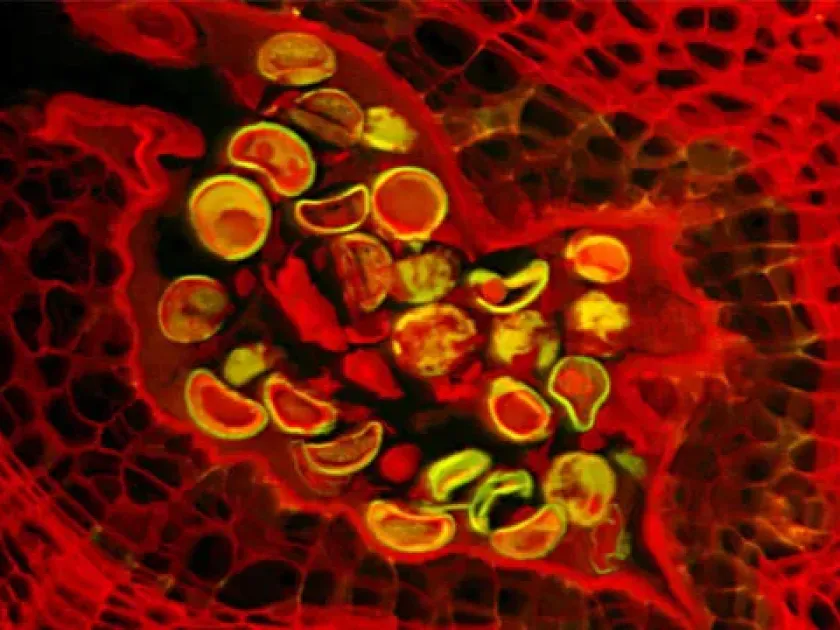
Description
Symptoms
Initial symptoms are characterized by the appearance of small, yellow to light green spots on the foliage. As the disease progresses, these lesions may expand and become more visible.
Swelling and galls on the stems and petioles are hallmark signs of Physoderma alfalfae infection. These growths result from the host's physiological response to the fungal colonization.
Severely infected leaves become yellow, curly, and often fall prematurely. This leads to a significant loss of canopy density and reduced photosynthetic activity.
Internal tissue necrosis can occur, disrupting the flow of water and nutrients within the plant. This weakens the overall vigor of the alfalfa stand significantly.
- Yellow chlorotic spots on leaves.
- Galls or swellings on stems.
- Premature defoliation.
- Reduced biomass production.
Pathogen
The causative agent of this disease is the fungus Physoderma alfalfae, which belongs to the class Chytridiomycetes. It acts as an obligate parasite specifically targeting alfalfa crops.
The pathogen survives in the soil and on crop debris through resting spores known as zoosporangia. These structures are highly durable and allow the fungus to remain viable for several years in the field.
The biological cycle is strictly dependent on moisture. Once environmental conditions become moist, the sporangia release motile zoospores that swim through water films to infect the plant tissue.
Upon penetration, the pathogen colonizes the intercellular spaces of the host plant. The infection process involves the disruption of normal cellular metabolism, leading to tissue hypertrophy.
Secondary spread of the disease occurs throughout the growing season whenever there is high humidity or standing water, which facilitates the movement of zoospores across the field.
Conditions for development
Excessive soil moisture is the primary driver for the development of phytonodermosis. Rainfall patterns and standing water in low-lying areas create optimal conditions for fungal activity.
The fungus thrives in moderate temperature regimes. While it can survive cold winters, the active infection cycle is most prevalent during periods of warmth and high humidity.
Poor soil drainage is a major risk factor. Fields that fail to drain quickly after rain allow the zoospore populations to build up rapidly, increasing the infection pressure.
Planting density plays a significant role; overly dense stands reduce airflow and maintain leaf wetness, which creates a perfect microclimate for the fungus to establish itself.
Poor agricultural practices, such as excessive nitrogen application or lack of crop rotation, weaken the natural resilience of the alfalfa crop, making it more susceptible to infection.
Why it matters
The primary economic harm of phytonodermosis is a reduction in total forage yield. The disease leads to stunted plant growth, which directly affects the tonnage harvested per cut.
The nutritional quality of the hay is negatively impacted. Infected forage shows lower protein and vitamin content, making it less valuable for livestock consumption.
Increased disease incidence leads to the thinning of the alfalfa stand. This forces farmers to perform early reseeding, adding significant cost and labor to farm operations.
Weakened plants are prone to secondary pathogens, including crown rots and other fungi, which may lead to total stand failure over a short period.
The cumulative effect is a decrease in the productive life of the alfalfa stand, causing long-term financial losses for producers who rely on multi-year forage production.
Protection
Strict crop rotation is the most effective cultural practice. Rotating away from alfalfa for 4–5 years significantly reduces the inoculum level in the soil.
Improved field drainage is essential. Land leveling and the installation of subsurface drainage systems help remove standing water, thereby limiting the environment for the fungus.
The use of resistant or tolerant cultivars is a top priority for sustainable management. Breeders focus on developing alfalfa lines that show reduced susceptibility to Physoderma.
Timely harvesting helps to remove infected biomass from the field, which reduces the overall amount of fungal spores that can overwinter in the soil.
While chemical control options are generally limited, ensuring optimal plant nutrition and avoiding physical damage to the plants can help improve the overall resistance of the crop.
Pathogens and affected parts
Affects crops · 1
Discussion
No discussions yet — be the first.