
Crinipellis actinophorus
Crinipellis actinophorus
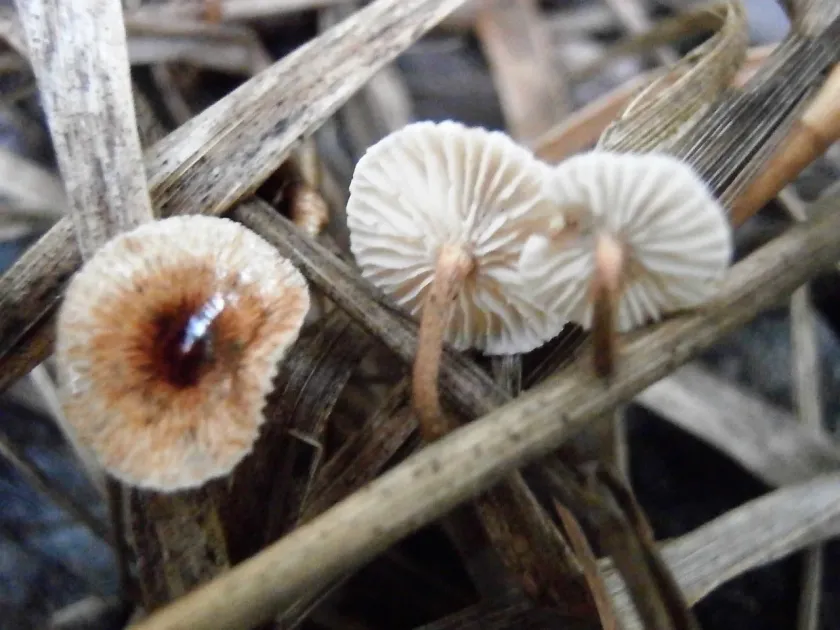
Description
Symptoms
The primary symptom is the abnormal growth of lateral shoots, leading to the formation of so-called "witches' brooms." These branches lose their natural structure and become excessively bushy.
Early stages of infection often show underdeveloped, chlorotic, and deformed leaves on the affected shoots. Premature leaf drop is frequently observed, which weakens the tree over time.
During periods of high humidity, small fungal fruiting bodies appear on the surface of the infected branches and fruits. This is a clear indicator of active sporulation and requires immediate action.
Cacao pods affected by the pathogen undergo rapid rotting and deformation. The fruit surface becomes covered with dark spots, and the seeds lose commercial value due to the breakdown of tissue structure.
Another characteristic sign is the gradual dieback of branch tips and subsequent necrosis of the cambial layer, which can ultimately lead to the death of the entire scaffold branch.
Pathogen
The disease is caused by the fungus Crinipellis actinophorus (formerly known as Marasmius actinophorus). This pathogen is a basidiomycete and acts as a specialized parasite on tropical plants.
The fungus is biologically linked to the Malvaceae family, specifically the cacao genus. Its lifecycle includes both a saprotrophic phase on plant debris and an active parasitic phase on living host tissues.
Dispersal is primarily achieved through basidiospores produced in the fungal fruiting bodies located on infected branches. These spores are easily carried by wind and rain droplets over significant distances.
The pathogen can maintain viability within infected plant tissues for extended periods, making it highly resilient to adverse environmental conditions.
The genetic flexibility of this fungus allows it to adapt to various microclimates, which significantly complicates breeding efforts aimed at developing resistant crop varieties.
Conditions for development
Optimal conditions for Crinipellis actinophorus development include high relative humidity exceeding 80%. These conditions are essential for the effective germination of fungal spores.
Temperature ranges between 22 and 28 degrees Celsius are most favorable for the rapid expansion of mycelium within the host plant tissues.
Frequent rainfall contributes to the spread of spores by washing them off fruiting bodies and transporting them to healthy parts of the canopy, sparking secondary infection foci.
Dense, poorly ventilated plantings create a microclimate that retains moisture on leaves and stems, providing an ideal environment for fungal colonization.
The presence of large amounts of primary inoculum, such as dried-out witches' brooms, ensures a continuous supply of spores for re-infection throughout the growing season.
Why it matters
The main harm caused by this pathogen is a critical reduction in crop yields, as it targets the reproductive organs, rendering the pods unsuitable for processing.
Prolonged infection leads to the physiological exhaustion of the tree. Due to disrupted photosynthesis and nutrient diversion to the "brooms," overall productivity can drop by 40–70%.
Infected trees become susceptible to secondary infections and pest infestations, as their immune status is significantly compromised by the ongoing struggle against the fungal parasite.
Economic losses are tied not only to direct crop failure but also to the high costs associated with sanitation efforts and the labor-intensive removal of infected material.
If left unmanaged, the disease can completely destroy a plantation within a few years, making further cultivation economically non-viable for the owner.
Protection
The primary control method is regular sanitary pruning of all infected shoots ("witches' brooms"). Removed plant material must be immediately burned or buried deeply.
Thinning the tree canopy is crucial to improve air circulation and reduce humidity within the plantation, creating conditions unfavorable for spore germination.
The use of copper-based fungicides or other contact treatments is justified during periods of peak spore activity, provided that application regulations are strictly followed.
Breeding and utilizing cultivars with genetic resistance to this pathogen remain the most promising and environmentally friendly strategies for long-term disease management.
Adherence to good agricultural practices, such as balanced fertilization to maintain tree immunity and proper spacing during planting, is essential for mitigating the disease risk.
Discussion
No discussions yet — be the first.