
Crepidotus lundellii
Crepidotus lundellii
Description
Symptoms
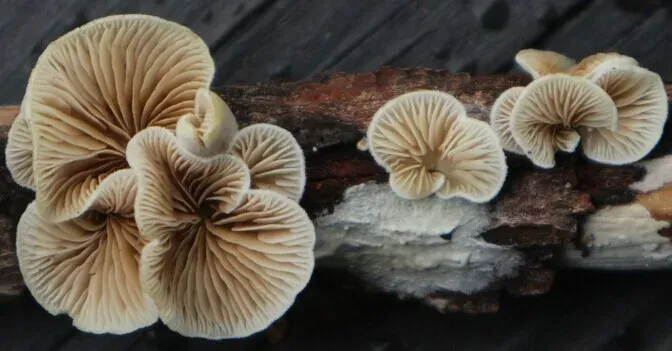
The most visible sign of infection is the emergence of fruiting bodies on the bark or wood surface. These fruiting bodies typically appear as small, fan-shaped or kidney-shaped caps.
The caps are usually pale, cream, or whitish in color, sometimes displaying a subtle velvety texture. They are attached directly to the substrate either laterally or by a very short, inconspicuous stem.
The gills located on the underside of the cap are a critical identification feature. Initially light in color, they transition to a distinct ochre or rusty-brown hue as the fungus releases its spores.
Affected wood often shows signs of structural degradation. It becomes soft, spongy, and brittle, and its natural color may lighten or turn grayish due to the removal of cellulose by the fungal mycelium.
The presence of these mushrooms on stumps, dead branches, or specifically wounded areas of a living trunk clearly indicates that the internal wood has reached an advanced stage of degradation.
Pathogen
Crepidotus lundellii is a species of fungus in the Crepidotaceae family. It is primarily a saprotroph, meaning it derives its nutrition from dead or decaying organic matter, particularly wood.
This fungus is classified as a wood-decay basidiomycete. Its mycelium permeates wood tissues, secreting specific enzymes to break down cellulose and lignin, which are the main structural components of timber.
The life cycle of this organism is highly dependent on humidity. Spores are released into the environment and, upon finding a suitable surface with sufficient moisture, germinate to form a new mycelial network.
Biologically, this species is essential for nutrient cycling in forest ecosystems. However, when it appears in a domestic or agricultural garden, it acts as a bio-indicator of decaying timber or underlying wood damage.
It is rarely a primary pathogen of healthy, vigorous trees. Instead, it usually targets wood that is already compromised by environmental stress, previous mechanical damage, or age-related decline.
Conditions for development
Crepidotus lundellii thrives in environments with high relative humidity and moderate temperatures. Shady, poorly ventilated areas of a garden are especially prone to harboring this species.
Mechanical wounds are the primary entry points. Injuries caused by pruning, frost cracking, or storm damage provide perfect, damp niches where spores can easily germinate and establish a colony.
Prolonged rainy periods significantly boost the development of this fungus. Consistent moisture keeps the bark surfaces hydrated for long durations, which is vital for the growth of fruiting bodies.
A constant supply of dead organic material is necessary for its proliferation. If old branches, stumps, or accumulated woody debris are left in the garden, they serve as long-term reservoirs for the fungus.
Poor tree health resulting from drought stress or nutrient deficiency can predispose the wood to colonization. Weakened trees often have slower healing rates, giving the fungus more time to penetrate deep into the trunk.
Why it matters
The primary concern regarding Crepidotus lundellii is the loss of structural integrity. As the fungus consumes the lignin and cellulose, the supporting wood loses its strength, increasing the risk of branch failure.
The presence of the fungus creates an ongoing drain on the tree's resources. The plant must expend significant energy attempting to compartmentalize the decay, which diverts energy from growth and fruit production.
It prevents effective wound healing. The fungal colony actively colonizes the site of an injury, effectively inhibiting the tree's natural ability to form a callus and seal off the damaged tissue.
From an aesthetic perspective, the appearance of fungal fruiting bodies on ornamental trees is undesirable. It signals decay and can significantly detract from the visual quality of the landscape.
If left unmanaged, the decay can spread further into the core of the tree. This often leads to extensive localized damage that may eventually necessitate the removal of major limbs or the entire tree.
Protection
Sanitation is the most effective management strategy. Regularly pruning dead, damaged, or diseased branches removes the primary habitats that this fungus needs to survive and spread.
Ensure that all pruning tools are sharp and properly disinfected between cuts to prevent the transfer of spores from infected wood to healthy tissues.
Always treat wounds or large pruning cuts with a suitable wound sealant or fungicide-based paint. This creates a physical barrier that prevents spores from reaching the vulnerable inner wood.
If you encounter fruiting bodies, remove them immediately by scraping them off the wood. Dispose of the fungal material away from the garden to prevent spore dispersal.
Maintaining high tree vigor through proper watering, fertilization, and general care is the best way to prevent colonization. Healthy, well-maintained trees are much better equipped to resist infection.
Discussion
No discussions yet — be the first.