
Cortinarius uliginobtusus
Cortinarius uliginobtusus
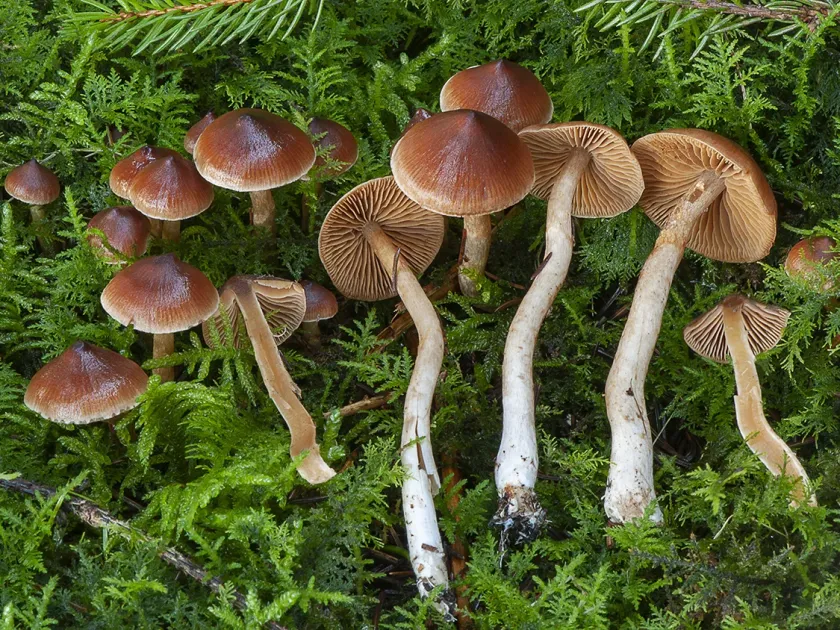
Description
Pathogen
Cortinarius uliginobtusus is a species of fungus in the Cortinariaceae family, recognized primarily for its role as a mycorrhizal symbiont rather than a plant pathogen.
The fungus develops in close association with the root systems of trees, facilitating nutrient exchange that supports the vitality of its host species in forest ecosystems.
It is characterized by its web-like veil (cortina) seen in young specimens, which is a signature feature of the Cortinarius genus.
From an agronomical perspective, this species is not considered a threat to crops, as it does not parasite agricultural plants or cause necrosis in vegetation.
Taxonomically, it belongs to the Telamonia section, distinguished by specific spore morphology and the presence of certain chemical pigments within its tissue.
Conditions for development
The growth and distribution of Cortinarius uliginobtusus are strictly tied to high-moisture environments, such as sphagnum bogs and waterlogged forest soils.
Optimal development occurs during periods of high rainfall and stable humidity, allowing the mycelium to establish strong symbiotic bonds with tree roots.
This fungus requires a stable soil microclimate, provided by deep moss layers, which protect the subterranean mycelium from desiccation.
The species is highly sensitive to changes in hydrology; land drainage and drought conditions typically lead to a rapid decline in its population.
Temperature fluctuations are less critical than water availability, although the most prominent fruit body formation occurs in the cool, moist conditions of autumn.
Why it matters
There is no evidence of Cortinarius uliginobtusus causing harm to agricultural crops, orchards, or managed plantations.
It does not act as a vector for plant diseases and lacks the enzymatic profile necessary to attack cultivated plant tissues.
The fungus serves as a natural indicator of soil health and environmental stability, particularly in undisturbed forested areas.
No protective measures are required against this organism, as it is an essential part of the natural forest ecosystem.
Growers and foresters should view this fungus as a non-pathogenic inhabitant of the soil, unrelated to any agricultural health issues.
Discussion
No discussions yet — be the first.