
Cortinarius turgidus
Cortinarius turgidus
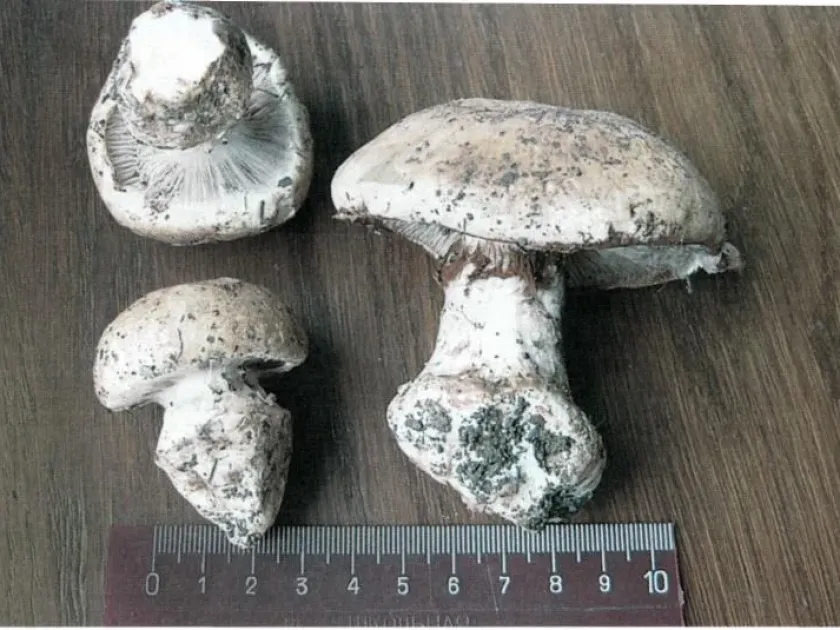
Description
Pathogen
Cortinarius turgidus is a species of gilled mushroom belonging to the family Cortinariaceae. It is strictly a mycorrhizal fungus and is not considered a pathogen for agricultural crops.
The biology of this fungus is centered on the symbiotic relationship it forms with tree roots. It facilitates nutrient exchange, helping the host trees acquire minerals from the surrounding soil matrix.
In forest ecosystems, the mycelium of Cortinarius turgidus penetrates the soil, creating a widespread network that interacts with the tree roots while maintaining the biological balance of the forest floor.
Morphologically, the species is identified by its cobweb-like veil, or cortina, which protects the gills during the early development stages of the mushroom's fruiting body.
As a saprotrophic-mycorrhizal bridge player, it is essential for the decomposition of leaf litter and the cycling of nutrients, confirming its non-pathogenic status in the environment.
Conditions for development
The formation of Cortinarius turgidus fruiting bodies relies heavily on high humidity and the presence of stable woodland environments with rich organic layers.
It typically emerges during late summer and autumn, responding to the cooling temperatures and increased rainfall patterns common in temperate climate zones.
The mycelium thrives in acidic to neutral soil environments that are abundant in decaying wood particles and leaf debris, which provide the necessary carbon sources for its metabolism.
Habitat disruption, such as soil compaction or deforestation, significantly limits the presence of this fungus, as it depends on the deep root systems of its host trees.
Moisture availability in the upper soil horizons is the primary determinant for the density of fungal patches throughout the season.
Why it matters
This fungus poses no risk to commercial agriculture, orchards, or horticulture, as it is strictly adapted to forest habitats and is not a parasite of cultivated plants.
In terms of ecological impact, Cortinarius turgidus is beneficial. It supports tree health through mycorrhizal connections, preventing erosion and improving soil structure.
There is no evidence suggesting that this fungus causes blight, rot, or any form of necrosis in plants; therefore, no chemical or physical control measures are required or advised.
For landowners and forestry managers, the presence of these mushrooms is often an indicator of a healthy, mature ecosystem rather than a site requiring intervention.
Concerns regarding this genus are limited to potential toxicity if consumed by humans or animals, but this has no bearing on agricultural or crop health parameters.
Discussion
No discussions yet — be the first.