
Cortinarius tophaceus
Cortinarius tophaceus
Description
Symptoms
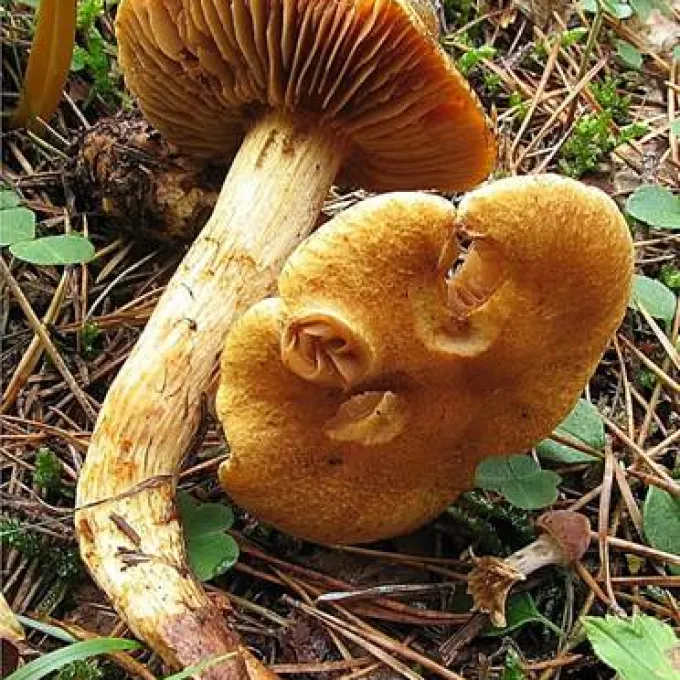
The fruit bodies of Cortinarius tophaceus exhibit the characteristic features of the genus, primarily the cobweb-like veil (cortina) seen in young specimens.
The cap is typically ochre-brown or greyish, often with a slightly felty or "tuff-like" surface, which gives the species its specific name.
The gills are initially light-colored, but they become rusty-brown as the spores mature and deposit their dust on the veil remnants.
The stem is robust, frequently thickened at the base, and often shows brown fibrillose zones representing the remnants of the cortina.
Observations in the field show no signs of plant pathology, such as tissue discoloration or systemic necrosis, associated with the presence of this fungus.
Pathogen
Cortinarius tophaceus is not a plant pathogen; it is a species of fungus belonging to the family Cortinariaceae. It lives in a symbiotic relationship with various forest tree species.
This fungus forms ectomycorrhizae, where the mycelium penetrates the roots of trees to exchange nutrients and carbohydrates, enhancing the overall health of the forest.
It is classified as a mutualistic organism rather than a parasite. It does not cause diseases, rot, or wilting in the plants it associates with.
The fungus is commonly found in deciduous forests where it forms mycorrhizal associations with woody plants, especially those in the Salicaceae family.
There is no record of Cortinarius tophaceus infecting or causing damage to agricultural crops, ornamental plants, or fruit trees in any professional agronomical literature.
Conditions for development
The development of Cortinarius tophaceus requires specific moist soil conditions and the presence of suitable tree hosts to maintain its mycorrhizal life cycle.
It prefers forest habitats with deep, organic-rich litter layers, which provide the necessary substrate for mycelial expansion and nutrient cycling.
Fruiting typically occurs during late summer and autumn when temperature levels and precipitation patterns create the ideal environment for spore production.
This species is strictly adapted to natural forest environments and is rarely found in highly disturbed agricultural soils due to the lack of its required host trees.
Changes in soil chemistry, such as the introduction of synthetic fungicides or intensive tilling, often lead to the disappearance of this mycorrhizal species.
Why it matters
Cortinarius tophaceus poses no threat to agriculture. It is an environmentally beneficial organism that assists in nutrient uptake and forest soil stability.
As a mycorrhizal fungus, it contributes to the resilience of forest ecosystems against abiotic stressors, making it an ecological ally rather than an antagonist.
The potential harm is limited to accidental ingestion by foraging humans, as many Cortinarius species are inedible or potentially toxic to mammals.
Farmers and foresters do not need to implement any control measures or protective treatments against this fungus, as it does not negatively impact plant productivity.
No agricultural economic losses have been attributed to this fungus, confirming its status as a non-pathogenic inhabitant of the forest biome.
Discussion
No discussions yet — be the first.