
Cortinarius suillus
Cortinarius suillus
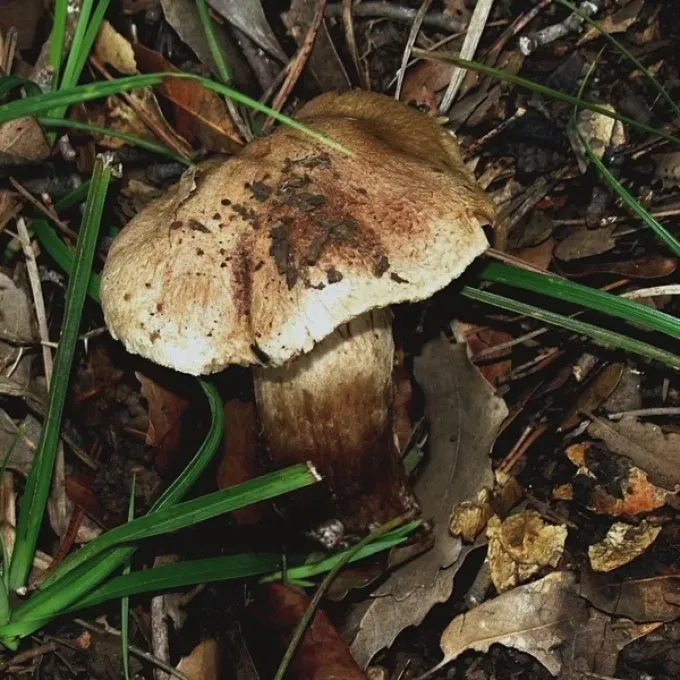
Description
Pathogen
Cortinarius suillus, commonly referred to as the greasy webcap, is not a plant pathogen and does not cause plant diseases. It is a basidiomycete fungus belonging to the large Cortinariaceae family, acting primarily as a soil-dwelling symbiont.
The fungus is a classic example of an ectomycorrhizal organism. It forms essential biological associations with the root systems of trees, particularly within the Pinus genus. This relationship is strictly mutualistic, providing mutual benefits to both the fungus and the host plant.
Instead of attacking plant tissues, the mycelium of this fungus surrounds tree roots to increase surface area for water and nutrient absorption. This symbiotic structure significantly enhances the tree's resilience in nutrient-poor forest soils.
In mycological terms, this species is not classified as an agent of decay, wilt, or necrosis. Its presence is indicative of a healthy forest floor and does not suggest the occurrence of any pathogenic infection.
Agronomists and pathologists do not monitor this species as a threat. It holds no place in plant protection guides because it does not impede the growth or productivity of forest or agricultural species.
Conditions for development
The proliferation of Cortinarius suillus fruiting bodies is strictly tied to specific environmental niches. It thrives in coniferous forests, showing a strong affinity for sandy and acidic soils typically found in pine-dominated landscapes.
A crucial factor for the life cycle of this fungus is the presence of host trees. The species requires intact and healthy root systems to establish its mycorrhizal network, which is the primary source of carbon for the fungus.
Environmental moisture is paramount for the development of its fruit bodies. Higher humidity levels during late summer and autumn facilitate the emergence of these fungi above the ground surface, coinciding with seasonal rainfall patterns.
The fungus is sensitive to environmental degradation, including soil compaction and the application of heavy chemical fertilizers or fungicides. Maintaining natural forest litter is vital for preserving the fungal mycelium.
Spores serve as the primary means of dispersal for this species. Once released, they are distributed by wind or small forest fauna, eventually germinating in soils where the suitable host roots are available.
Why it matters
There is no evidence of harm associated with Cortinarius suillus. It does not cause economic losses in forestry or agriculture, as it actively contributes to the biological stability of the forest ecosystem.
Unlike parasitic fungi that degrade wood tissue (such as Armillaria species), Cortinarius suillus does not cause rot or structural damage to trees. It maintains a strictly balanced physiological interaction with its host.
Farmers and foresters are not required to implement control measures against this species. Its presence is generally welcomed by foresters as it promotes improved tree nutrition and soil structure.
Confusion between mycorrhizal fungi and pathogenic root-rotting fungi is a common misconception. Distinguishing these roles is essential for proper forest management and understanding biodiversity conservation.
In conclusion, Cortinarius suillus is a beneficial biological component. It has zero negative impact on plant health and should be considered a neutral or positive entity within its native habitat.
Discussion
No discussions yet — be the first.