
Cortinarius subtorvus
Cortinarius subtorvus
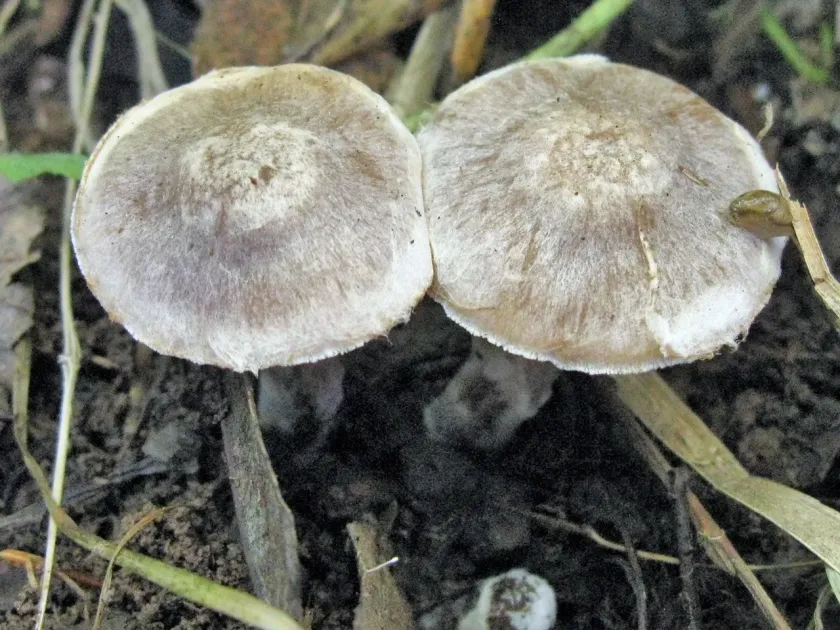
Description
Pathogen
Cortinarius subtorvus is a species of mushroom belonging to the family Cortinariaceae. In the context of forestry and agriculture, it is classified as a beneficial mycorrhizal fungus rather than a plant pathogen or a cause of crop diseases.
The fungus establishes an obligate symbiotic relationship with the root systems of trees, forming ectomycorrhizae. This connection is essential for the efficient nutrient exchange between the fungal mycelium and the host plant.
Unlike parasitic fungi that cause plant decay, Cortinarius subtorvus enhances the root uptake of essential minerals such as phosphorus and nitrogen, which significantly boosts the health and resilience of the host tree.
The morphology of this species typically features a cap and a stalk protected by a cobweb-like structure known as a cortina, which is a hallmark feature of the genus Cortinarius.
Scientific identification of this species is complex due to the vast diversity within the genus, often requiring a detailed analysis of spore shape and size under laboratory conditions.
Conditions for development
The growth of Cortinarius subtorvus is heavily dependent on specific forest conditions, requiring temperate climates and soils with sufficient organic matter content.
It prefers well-drained but moist forest soils where the mycelial network can thrive in the layer of decaying leaf litter and organic debris.
Seasonal patterns are crucial for the development of fruiting bodies, with peak activity usually observed during late summer and autumn months when moisture levels are optimal.
The health of the forest ecosystem, including the presence of mature trees that act as carbon donors for the fungus, is the primary factor in the sustained existence of the colony.
Environmental stressors like severe drought or soil pollution can inhibit the formation of the fungus, making it a sensitive indicator of forest soil quality and ecological balance.
Discussion
No discussions yet — be the first.