
Cortinarius subgrisescens
Cortinarius subgrisescens
Description
Pathogen
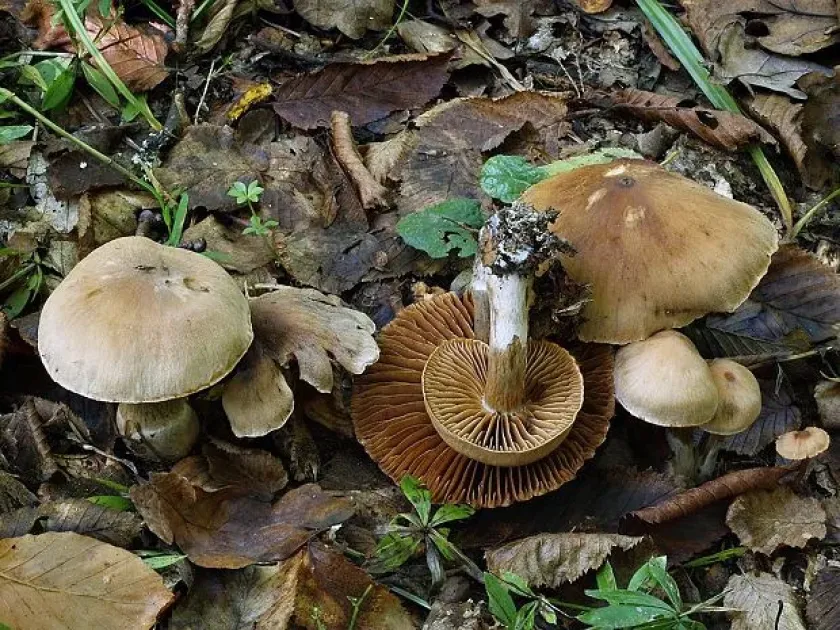
Cortinarius subgrisescens is a species of fungus in the family Cortinariaceae. It is widely recognized as a mycorrhizal fungus, meaning it establishes symbiotic relationships with the roots of trees.
In agronomy, it is important to distinguish between parasitic pathogens and symbiotic organisms. This species does not function as a crop disease agent, as it does not invade tissues of agricultural crops.
The fungal mycelium spreads through the top layers of soil and leaf litter. It forms complex networks that interact with the root systems of woodland species, aiding in nutrient cycling.
The fruiting body develops under favorable environmental conditions. Its biology is strictly tied to forestry environments rather than intensive agricultural production systems.
There is no evidence of Cortinarius subgrisescens acting as a phytopathogen in field crops. It is essentially a harmless component of temperate ecosystems.
Conditions for development
This species thrives in cool, humid conditions, typically appearing in late summer and autumn. Moisture is the primary factor driving the development of its fruiting bodies.
It prefers acidic soil conditions rich in decomposing organic matter. The physical presence of trees is essential for its survival due to its mycorrhizal nature.
Spore dispersal occurs via wind and water runoff. These spores can travel significant distances, though they only germinate successfully in suitable forest habitats.
Temperature fluctuations are significant for its growth. It is most active when daily temperatures range between 10°C and 15°C, providing stability for the mycelium.
Lack of canopy cover or excessive soil disturbance inhibits the development of this fungus, making it rare in tilled agricultural fields.
Why it matters
Cortinarius subgrisescens does not cause any identifiable diseases in agricultural crops. It does not lead to wilting, necrosis, or root rot in standard crops like corn, wheat, or soy.
Its impact on agricultural land is non-existent. There is no risk of yield reduction, loss of plant vigor, or economic damage associated with this organism.
In forest nurseries, it may occasionally appear, but it generally poses no threat to the health of seedlings. It functions more as a soil-enriching agent rather than a pest.
There are no known phytotoxins produced by this species that affect crop growth. It does not alter soil composition in a way that would be harmful to farmers.
As such, it is not considered a pest or a disease agent in any formal agricultural advisory literature or plant protection guidelines.
Protection
Since the species is not a pathogen, there is no requirement for chemical or biological control programs against Cortinarius subgrisescens.
Standard agronomic practices such as land cultivation, proper drainage, and pH management are sufficient to prevent its growth in areas where it might be considered unwanted.
No fungicides are recommended or registered for the control of this fungus because it does not threaten the commercial viability of crops.
If management is desired for aesthetic or land-clearing purposes, physical removal of fruiting bodies or changing moisture content is the most effective approach.
Agronomists should prioritize identifying actual threats to crop health rather than focusing on non-pathogenic woodland fungi that inhabit the surrounding environment.
Discussion
No discussions yet — be the first.