
Cortinarius stillatitius
Cortinarius stillatitius
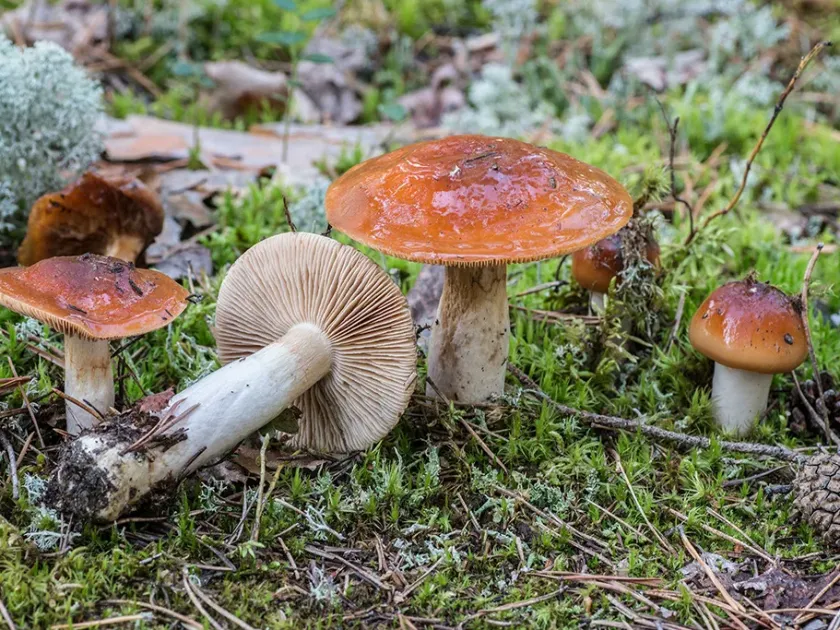
Description
Pathogen
Cortinarius stillatitius, commonly known as the slimy cortinarius, is a fungal species belonging to the Cortinariaceae family. It is crucial to note that this organism is not a plant disease agent or pathogen.
This fungus exists in a mutualistic mycorrhizal relationship with trees, meaning it provides nutrients to its host in exchange for carbohydrates. It does not infect or damage crops, as its biological niche is strictly tied to forested areas.
The morphology of the fungus is defined by its glutinous, slimy cap, which provides protection against desiccation. The presence of a cobweb-like veil, known as the cortina, is a diagnostic feature of this group during its development.
The mycelium resides in the soil litter and forest substrate, where it aids in decomposition and mineral cycling. It lacks the biological machinery to penetrate or harm the vascular systems of agricultural plant species.
Because Cortinarius stillatitius is a beneficial symbiont within its natural habitat, it is classified as a non-pathogenic organism. Consequently, it requires no protective measures or control strategies in the context of plant pathology.
Discussion
No discussions yet — be the first.