
Cordyceps farinosa
Cordyceps farinosa
Description
Symptoms
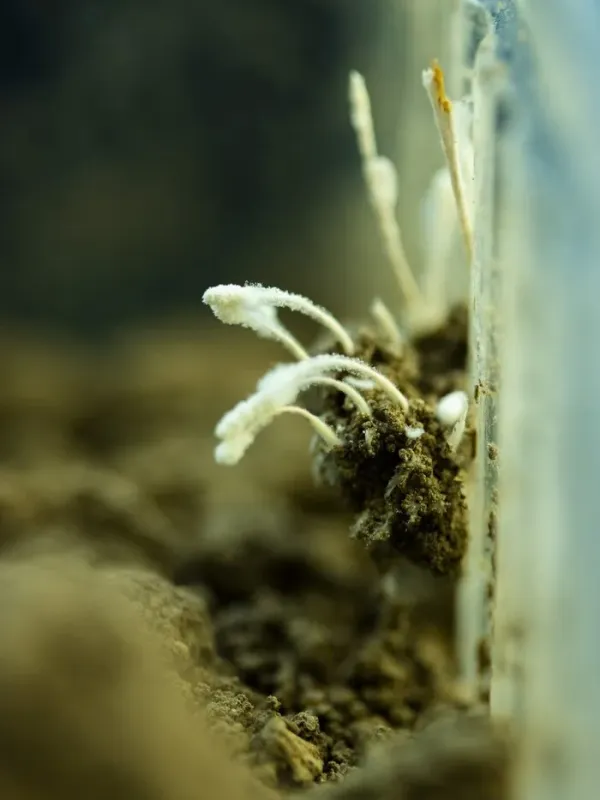
The most visible symptom of an infestation is the appearance of a thick, white, or creamy powdery growth covering the surface of the insect.
Affected insects show significantly reduced mobility and sluggish behavior before death, eventually ceasing all vital functions.
The mycelium eventually completely envelops the host, hiding its original features and replacing them with a dense, fungal coating.
These signs can be found on various life stages, including larvae, pupae, and adults, particularly in moist microhabitats such as soil or leaf litter.
In humid conditions, the fungal growth can be quite rapid, spreading to nearby healthy insects and causing localized outbreaks of the infection.
Pathogen
Cordyceps farinosa, scientifically reclassified as Isaria farinosa, is a well-known entomopathogenic fungus belonging to the family Cordycipitaceae.
This fungus is not a plant pathogen; instead, it serves as a natural biological control agent that specifically targets various species of insects.
The life cycle begins when fungal conidia adhere to the insect cuticle, germinate, and penetrate the host's body using mechanical pressure and enzymatic action.
Once inside, the fungus consumes the host's internal tissues, effectively leading to the insect's death within a few days of initial infection.
After the host expires, the fungus emerges from the carcass, producing a characteristic white, powdery mycelial layer filled with new infectious spores.
Conditions for development
The successful development of Cordyceps farinosa is heavily dependent on high levels of atmospheric and soil moisture.
Temperature plays a crucial role, with optimal growth occurring within the range of 20 to 25 degrees Celsius for most isolated strains.
Sufficient moisture allows the conidia to germinate and penetrate the host cuticle more efficiently, ensuring high infection rates in the field.
Prolonged dry or arid periods can limit the fungus's activity and drastically reduce its survival rate in the natural environment.
High population density of host insects in greenhouses or dense plantings promotes rapid transmission of the pathogen through contact.
Why it matters
This fungus poses no harm to cultivated crops as it does not infect plant tissues or produce phytotoxic metabolites harmful to vegetation.
Its primary role in an agricultural setting is the suppression of pest populations, which helps maintain plant health and overall yield.
By naturally reducing numbers of aphids, whiteflies, and specific caterpillars, the fungus acts as an ally to the farmer in pest management.
In many ecosystems, it acts as a silent regulator, preventing the excessive build-up of herbivorous insect populations that would otherwise damage crops.
There are no recorded instances of this fungus causing disease or physiological stress in agricultural plants, confirming its role as a beneficial microbe.
Protection
In modern agriculture, Isaria farinosa is utilized in the formulation of biological insecticides designed for sustainable pest management.
Preserving the natural soil microbiome is essential, as the presence of this fungus is a key indicator of a healthy, balanced agricultural ecosystem.
The use of broad-spectrum chemical fungicides should be carefully managed to avoid detrimental effects on these beneficial entomopathogenic fungi.
Proper irrigation management during the application of biological treatments significantly boosts the effectiveness of fungal conidia in the field.
- Monitor insect populations regularly.
- Maintain optimal field moisture levels.
- Avoid unnecessary fungicide applications.
- Integrate biological treatments with cultural practices.
Discussion
No discussions yet — be the first.