
Cordyceps
Cordyceps
Description
Pathogen
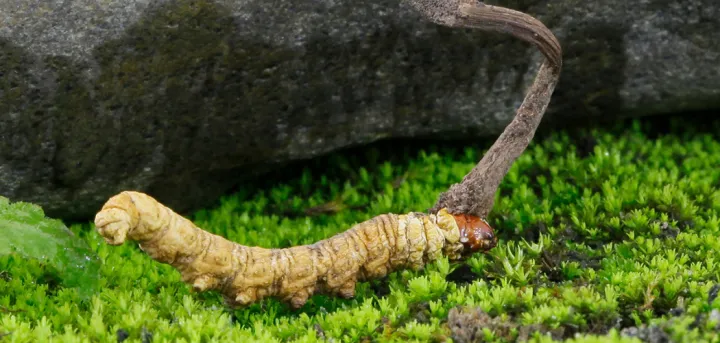
Cordyceps is a genus of ascomycete fungi that functions as an obligate parasite on insects and other arthropods rather than plants.
The infection process begins when fungal spores adhere to the insect's cuticle, germinate, and penetrate the host's body using enzymatic activity.
Once inside, the fungus invades the host's tissues and alters its behavior, driving it to a location that favors spore dispersal upon death.
After the host dies, the fungus consumes the internal organs and develops specialized fruiting bodies that emerge from the carcass to release new spores.
Cordyceps species are highly host-specific, often evolving to target specific orders or families of insects, which makes them significant natural population regulators.
Conditions for development
High relative humidity is the most critical environmental requirement for Cordyceps, often necessitating levels above 80% for successful infection and development.
Temperature plays a vital role in fungal metabolism, with most species favoring moderate temperatures typically ranging between 18°C and 25°C.
Sufficient host density is necessary to sustain the fungal life cycle, as the probability of spore transfer increases when the insect population is dense.
Light exposure, particularly specific wavelengths, acts as a biological cue for the maturation and discharge of spores from the fungal fruiting bodies.
The presence of organic matter in the soil or crop debris can provide a refuge for dormant spores, allowing the fungus to persist through dry or unfavorable seasons.
Why it matters
Cordyceps does not cause diseases in crops, but its impact on agriculture is felt through the disruption of natural insect population dynamics.
The primary concern for growers is the potential infection of beneficial insects, such as predators or parasitoids that naturally control pest populations.
A sudden decline in these natural allies due to a Cordyceps outbreak can lead to a resurgence of agricultural pests, increasing the need for chemical intervention.
Furthermore, in rare cases, the infection of pollinators can have minor negative consequences on the yield of insect-dependent crops like fruits or vegetables.
Understanding the fungus's role helps agronomists distinguish between natural biocontrol and ecological imbalances that might threaten farm productivity.
Protection
There are no direct control methods for Cordyceps in agriculture, as it is not considered a plant pathogen that damages crops directly.
In greenhouse settings, maintaining proper ventilation and managing humidity levels is the most effective way to create an environment less favorable for fungal outbreaks.
Integrated Pest Management (IPM) strategies should consider the presence of beneficial insects to avoid creating conditions that favor entomopathogenic fungi over predators.
Monitoring the local insect population dynamics helps agronomists predict whether the fungus is acting as a beneficial natural control agent for pests.
Field hygiene, including the removal of excess moisture-trapping debris, helps maintain a balanced microclimate that discourages excessive fungal activity.
Discussion
No discussions yet — be the first.