
Cordana leaf spot
Cordana musae
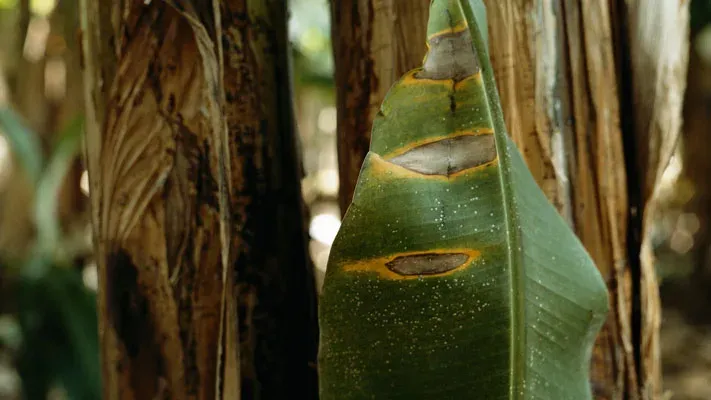
Description
Symptoms
The primary symptoms of Cordana leaf spot are oval or elliptical lesions on the banana leaves. These spots are typically delimited by the secondary leaf veins, giving them an elongated appearance that runs parallel to the vein structure.
The color of the lesions ranges from light to dark brown. As the disease progresses, the center of the spot may lighten in color, while the edges develop a distinct dark border, often surrounded by a chlorotic yellow halo.
In humid conditions, a grayish or brown layer consisting of fungal conidia forms on the surface of the lesions, particularly on the underside of the leaf. This sporulation is a key indicator of the active phase of the disease.
In severe cases, individual spots coalesce to form large necrotic patches. The leaf tissue subsequently dries out, curls, and dies prematurely, resulting in a significant reduction in the plant's functional photosynthetic area.
The infection typically initiates on the lower leaves of the plant, as they are closer to the soil and experience higher humidity levels. Monitoring the lower canopy is essential for early detection of the pathogen.
Pathogen
The causative agent of the disease is the fungus Cordana musae, which belongs to the class of imperfect fungi (Deuteromycetes). This pathogen specifically targets banana leaves, causing necrotic spotting that disrupts the plant's photosynthetic efficiency.
The fungus produces mycelium within the leaf tissue, developing conidiophores that bear spores. The spread of the infection primarily occurs via wind and rain splashes, which transport the spores to healthy parts of the plant or adjacent banana clusters.
Cordana leaf spot often manifests as a secondary infection, frequently accompanying other conditions like Sigatoka. The pathogen can thrive in association with other fungi, significantly exacerbating the damage to the banana canopy.
The biological cycle of the fungus is closely linked to the plant's overall vitality. Cordana musae preferentially colonizes older or damaged leaves, gradually moving towards younger tissues when environmental factors are favorable.
Laboratory diagnosis is performed through microscopic observation, identifying the characteristic two-celled spores. Accurate identification is essential for agronomists to determine the most effective fungicide application timing and chemical agents.
Conditions for development
High relative humidity is the primary driver for the development of Cordana leaf spot. The fungus thrives in environments with frequent rainfall, heavy mists, or excessive overhead irrigation that keeps leaves wet for prolonged periods.
Optimal temperatures for the growth and reproduction of Cordana musae range from +22°C to +28°C. These conditions are highly characteristic of the tropical regions where commercial banana production is concentrated.
Dense planting schemes that impede airflow create a microclimate ideal for rapid pathogen dissemination. Poor ventilation maintains moisture on the leaf surface, which is necessary for the spores to germinate and infect the tissue.
Accumulation of infected plant debris on the plantation floor acts as a reservoir for the fungus. Inadequate sanitation allows the pathogen to survive between growing seasons and initiate new cycles of infection.
Plant stress, often resulting from nutrient deficiencies or pest pressure, compromises the natural defenses of the banana plant, making it significantly more susceptible to Cordana musae infection.
Why it matters
The primary impact of the disease is the reduction of the leaf area, which directly impairs fruit filling and development. A decrease in photosynthetic capacity leads to stunted plant growth and smaller bunch sizes.
As a result, the commercial value of the crop is severely reduced. Beyond physical size, the quality of the bananas may be compromised, rendering them unsuitable for export markets with strict quality standards.
In untreated plantations, yield losses can reach 10–20%. The economic viability of banana production is heavily challenged by this pathogen, as it increases costs associated with chemical control and reduces total marketable output.
Premature leaf death exposes the developing fruit bunch to direct sunlight, which can cause skin scorching and sun-scald. Such damage renders the bananas physically unsightly and unattractive for consumer purchase.
Chronic infestation weakens the overall plant structure, making the bananas more vulnerable to secondary infections and severe weather events, such as high winds that can lead to stem lodging.
Protection
Effective management begins with strict adherence to agricultural practices, such as regular sanitation by removing and destroying infected leaves. This reduces the primary inoculum present in the field.
Maintaining optimal plant density is crucial to ensure adequate airflow within the plantation. Pruning excess suckers helps maintain lower humidity levels around the foliage, discouraging fungal development.
Systemic and contact fungicides are the cornerstones of commercial disease control. Applications should be performed preventatively or upon the initial signs of infection to minimize the spread of the pathogen.
Rotating chemical agents with different modes of action is vital to prevent the development of resistant Cordana musae strains. Proper application schedules must align with the phenological stages of the banana plant.
Breeding for resistant cultivars and utilizing healthy, certified planting material are essential long-term strategies to reduce dependence on chemical inputs and maintain plantation health.
Discussion
No discussions yet — be the first.