
Cookeina sulcipes
Cookeina sulcipes
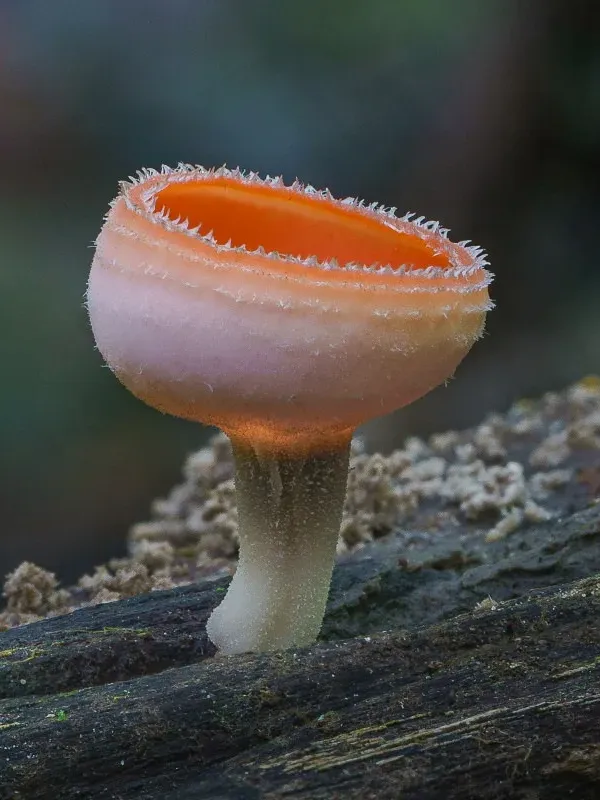
Description
Pathogen
Cookeina sulcipes is a species of fungus in the family Sarcoscyphaceae, part of the Ascomycota division. It is widely recognized in tropical and subtropical regions for its vibrant cup-shaped fruiting bodies.
It is crucial to clarify that this fungus is a saprotroph, not a plant pathogen. It does not infect, parasitize, or cause diseases in agricultural or garden crops.
The fungus is characterized by its large, bowl-like structures with a distinct stipe. It plays a vital role in decomposing lignified material in tropical forest ecosystems.
Biologically, Cookeina sulcipes obtains nutrients from dead organic matter, specifically decaying wood, rather than attacking living plant tissue.
Given its saprotrophic nature, there is no biological mechanism for this organism to induce necrosis or chlorosis in cultivated plants.
Conditions for development
The development of Cookeina sulcipes fruiting bodies is strictly dependent on high humidity levels and tropical temperature ranges.
The fungus thrives on decaying woody debris, such as logs and fallen branches, found in shaded and humid environments.
Direct exposure to sunlight is generally detrimental to the moisture-sensitive fruiting bodies, which require a cool, damp microclimate to persist.
Growth is seasonal and corresponds with the rainy season, where water availability supports the fungal mycelium expansion and spore production.
In the absence of a suitable substrate, the fungus remains dormant within the woody matrix, surviving until favorable environmental conditions return.
Why it matters
Cookeina sulcipes presents zero economic risk to the agricultural sector, as it has no detrimental impact on plant growth or yield.
It is not categorized as a disease-causing agent by any agricultural phytopathological standards or international research databases.
Instances of accidental contact with crops are benign, as the fungal hyphae do not possess the enzymes necessary to degrade healthy plant cell walls.
The presence of this fungus is often misinterpreted by untrained personnel as a sign of plant decay, leading to unnecessary worry about crop health.
Therefore, it is considered an ecologically beneficial organism that aids in nutrient cycling rather than a harmful agricultural pest.
Protection
No chemical or biological control measures are required for this fungus, as it does not constitute a threat to cultivated plants.
If the appearance of the fungus is undesirable for aesthetic reasons, removing decaying wood from the site is an effective mechanical measure.
Chemical intervention using fungicides is strongly discouraged, as such chemicals are ineffective against saprotrophs and harmful to the environment.
Prevention focuses on standard sanitary maintenance, such as clearing away rotting logs and stumps that might harbor the fungus near fields.
Agronomists should correctly identify this species to avoid redundant and costly treatments that serve no purpose in pest management strategies.
Discussion
No discussions yet — be the first.