
Colus
Colus
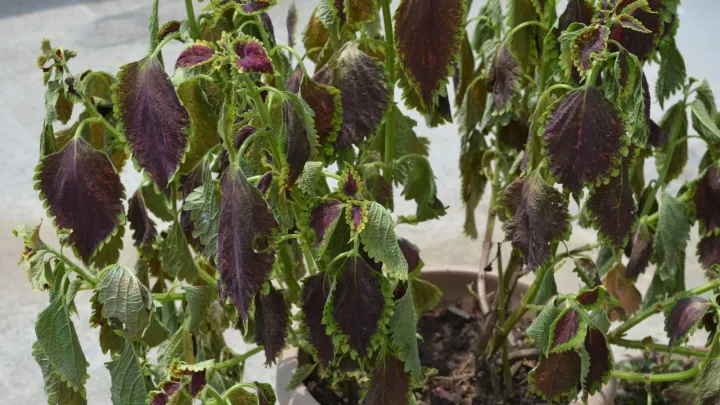
Description
Symptoms
The earliest signs of Colus infection include the appearance of small, irregular chlorotic spots on leaves. As the disease progresses, these spots expand and evolve into necrotic zones, often surrounded by a yellowish halo.
Infected plants exhibit stunted growth and reduced vigor. When compared to healthy individuals, the stems of diseased plants are visibly thinner, and the overall plant height is significantly lower, indicating a disrupted growth process.
A notable symptom is the presence of fungal mycelium or sporulation on the stem base or roots. This creates a soft, dark lesion that may weaken the structural support of the plant, often leading to lodging.
Vascular browning is a critical internal symptom of the disease. When the stem is cut cross-sectionally, the infected bundles appear dark, confirming that the plant's nutrient transport system has been severely compromised.
During later stages, the leaves turn necrotic and drop prematurely. This extensive leaf loss leaves the plant without sufficient photosynthetic surface area, ultimately leading to death if the infection is left unmanaged.
Pathogen
Colus (Colus) is a severe plant disease caused by specialized fungal pathogens that disrupt the physiological integrity of the host organism. It primarily targets the vascular system and leafy tissues, leading to significant metabolic disturbances.
The causative agent persists in the soil through dormant spores, which allow it to survive in harsh environmental conditions for extended periods. This persistence makes soil-borne transmission a major challenge for modern agronomy.
The pathogen spreads primarily via mycelial growth within the plant stem and through the dispersal of conidia. These spores are easily disseminated by wind, water splashes, and farm machinery, reaching healthy plants across the field.
Once the pathogen enters the plant—often through stomata or mechanical injuries—it colonizes the vascular bundles. This colonization blocks the upward transport of water and essential nutrients, leading to rapid wilting.
Biological plasticity allows the fungus to adapt to diverse ecological niches, infecting a wide range of botanical families. This broad host range necessitates strict phytosanitary measures in affected regions.
Conditions for development
High humidity and consistent rainfall are the primary environmental drivers for Colus outbreaks. The pathogen thrives when moisture levels remain high on leaf surfaces, allowing spores to germinate and penetrate the host tissue.
Temperatures ranging from +18°C to +25°C provide an ideal window for rapid proliferation. In these conditions, the incubation period of the disease is drastically shortened, leading to explosive spread across the crop field.
Dense planting patterns that impede air circulation create a microclimate with stagnant humidity. This lack of ventilation is a significant risk factor, as it keeps the leaf surface wet and promotes fungal colonization.
Planting in unbalanced soils, particularly those with excessive nitrogen fertilization, results in overly succulent growth. Such weak tissue is more susceptible to pathogen entry and rapid destruction by the fungal mycelium.
Poor field sanitation, including leaving infected crop residues on the surface, encourages the buildup of inoculum. If the same or related crops are grown in succession, the risk of epidemic increases exponentially.
Why it matters
The primary economic impact of Colus is a drastic reduction in grain or fruit yield, with losses frequently reaching over 50%. The disease prevents the plant from partitioning energy into reproductive organs, resulting in undersized harvest.
Beyond yield volume, the quality of the agricultural product is severely compromised. Mycotoxins produced by the pathogen may contaminate the yield, rendering it unsuitable for human or animal consumption and reducing shelf life.
Outbreaks necessitate expensive emergency fungicide applications, which inflate operational costs and diminish profitability. In severe cases, the cost of protection may outweigh the value of the expected harvest.
The disease weakens the host plant, making it significantly more susceptible to environmental stressors such as drought or secondary infections by other pathogens. This cumulative stress leads to unstable agricultural production.
Long-term infestation of fields with Colus pathogens creates a legacy effect, where the land becomes less productive for years. This necessitates heavy investment in soil remediation and changes in crop rotation plans to mitigate the damage.
Protection
Successful management begins with the use of certified, disease-free, and pre-treated seeds. Systemic fungicidal seed treatments act as the first line of defense, shielding the germinating plant from early infection.
Rigorous crop rotation is essential to break the pathogen's life cycle. Avoiding the cultivation of susceptible host crops on the same field for at least three consecutive years helps to starve the soil-borne inoculum.
Maintaining optimal soil fertility, with an emphasis on potassium and phosphorus, improves plant immunity. Stronger cell walls generated through balanced nutrition make it harder for the pathogen to penetrate the tissue.
Timely application of chemical fungicides is required once the first symptoms appear. Modern, high-efficiency products can arrest the development of the fungus if sprayed before the disease becomes systemic.
- Improving plant spacing to increase air circulation.
- Removing and destroying all infected crop residues.
- Managing weed populations that may harbor the pathogen.
- Cleaning equipment to prevent the spread of spores.
- Regular field scouting for early symptom detection.
Discussion
No discussions yet — be the first.