
Colpoma needle cast
Colpoma crispum
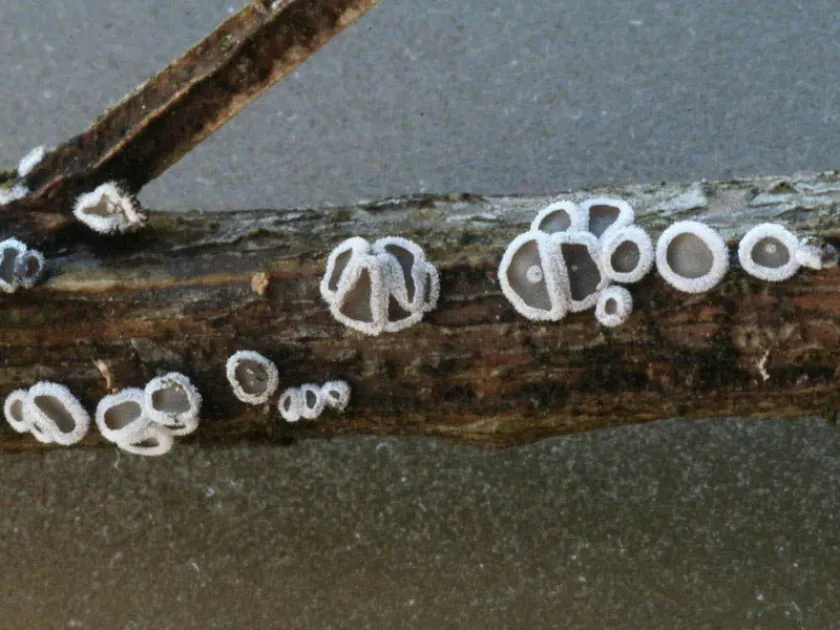
Description
Symptoms
The initial symptoms are marked by the discoloration of needles, which turn from healthy green to yellow or reddish-brown as the infection progresses.
Characteristic signs include the appearance of black, elongated, and sometimes curved apothecia on the surface of the infected needles, indicating active sporulation.
As the apothecia mature, they rupture transversely, causing the needle to twist and curl, giving it a distorted and ragged appearance typical of this infection.
Widespread infestation results in premature needle drop, leading to sparse crowns and visible bare patches on the lower branches of the pine trees.
In severe cases, the entire tree appears stunted and chlorotic, with a noticeable reduction in the density and vigor of the canopy throughout the growing season.
Pathogen
The causative agent of the disease is the ascomycete fungus Colpoma crispum (Pers.) Sacc., which belongs to the order Rhytismatales and specializes in infecting pine needles.
The fungus develops reproductive structures known as apothecia, which mature beneath the needle epidermis and eventually erupt to release spores into the environment.
The pathogen survives on fallen needles, where it remains in a saprotrophic phase, waiting for favorable conditions to infect healthy tissues of living trees.
Spores are disseminated by wind and rain splashing, facilitating the rapid spread of the fungus throughout dense coniferous stands.
The development of the mycelium within the needle tissues disrupts metabolic processes, leading to the characteristic chlorosis and eventual necrosis of the infected area.
Conditions for development
High relative humidity and prolonged periods of wet weather are the primary catalysts for spore germination and the successful colonization of needles by Colpoma crispum.
Dense planting configurations that restrict airflow create a microclimate with high moisture retention, which is highly conducive to the development of this fungus.
Trees that are weakened by environmental stressors, such as drought, nutrient deficiency, or prior insect damage, show higher susceptibility to needle cast infection.
The fungus thrives in moderate temperature ranges, particularly during damp spring and autumn periods when the new foliage is most vulnerable to colonization.
The presence of significant quantities of forest litter around the base of trees provides an essential reservoir of inoculum for annual cycles of infection.
Why it matters
The primary impact of the disease is the premature shedding of needles, which significantly reduces the tree's photosynthetic capacity and overall health.
Persistent infection weakens the tree's natural defenses, predisposing it to secondary infestations by bark beetles and other wood-boring insects.
In forest nurseries and plantations, the disease can cause severe growth suppression, resulting in poor stand establishment and potential mortality of seedlings.
The aesthetic value of ornamental and landscape pine plantings is severely compromised by the unsightly defoliation caused by the fungus.
Long-term economic impacts include reduced timber quality and significant losses in wood increment, affecting the overall productivity of managed forest stands.
Protection
Sanitation practices, such as the removal and destruction of fallen needles, are essential to reduce the primary inoculum load in the vicinity of vulnerable trees.
Thinning operations help improve canopy ventilation, creating a less hospitable environment for fungal development and promoting better tree vigor.
Chemical control using copper-based or systemic fungicides may be applied in nurseries or high-value landscapes during peak infection risk periods.
Maintaining optimal tree health through proper fertilization and water management serves as a fundamental strategy in increasing resistance to fungal pathogens.
- Regular inspection of pine needles for early signs of infection.
- Pruning and destroying heavily infested branches to reduce spore load.
- Selecting pine species and cultivars known for their resistance to local pathogens.
Discussion
No discussions yet — be the first.