
Anthracnose of ti
Colletotrichum ti
Description
Symptoms
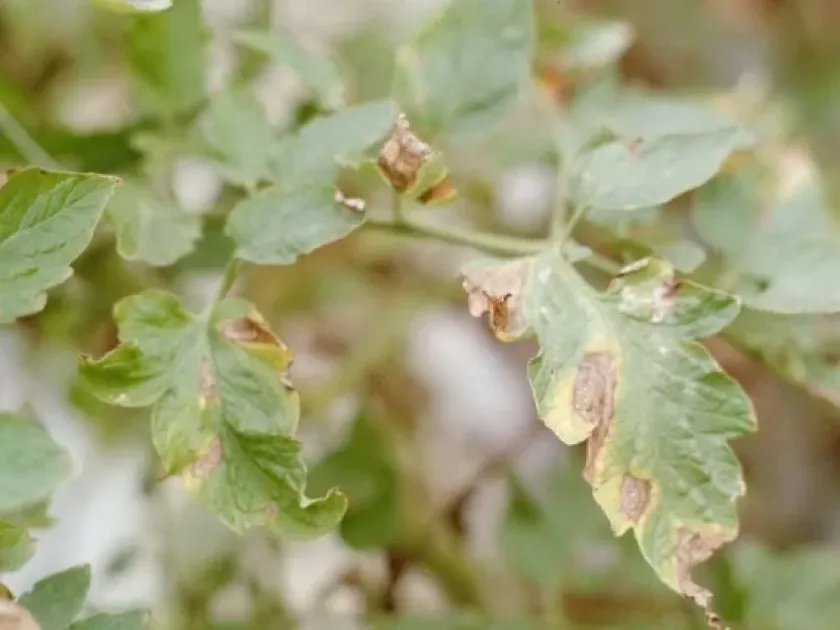
Initial symptoms include the appearance of small, circular or irregular spots on the leaves. These spots are typically yellowish or light brown initially and are often sunken.
As the infection progresses, the spots expand and turn dark brown or black. Necrotic tissues become brittle, and in severe cases, the centers of the spots may fall out, creating a shot-hole effect.
A hallmark of this anthracnose is the formation of acervuli (small fruiting bodies) in the centers of the lesions. Under high humidity, these produce masses of pinkish or cream-colored spores.
Infected leaves exhibit chlorosis, eventually turning yellow and dropping prematurely. Stem lesions may also occur, leading to dieback or girdling of the stems.
The plant loses its ornamental value, displays stunted growth, and, if not managed, may succumb to the pathogen as the systemic spread continues.
Pathogen
The disease is caused by the pathogenic fungus Colletotrichum ti. This pathogen belongs to the Colletotrichum genus, which is notorious for causing various blights and leaf spots on diverse ornamental and agricultural crops.
The life cycle of the fungus is characterized by the production of conidia, which act as the primary inoculums. These spores facilitate both primary infection and secondary spread within the plant population.
The fungus produces enzymes such as cellulases and pectinases that actively degrade plant cell walls, allowing the mycelium to penetrate and colonize the host tissues efficiently.
The pathogen can survive in soil, on infected plant debris, and on seeds. Under favorable environmental conditions, it can persist for long periods in a dormant state.
Transmission of the fungus is primarily driven by water splash (rain or irrigation), contaminated tools, and insect vectors that move spores from infected to healthy plant parts.
Conditions for development
Colletotrichum ti thrives in environments with high relative humidity, typically exceeding 70-80%. Extended periods of leaf wetness are critical for spore germination and infection.
The optimal temperature range for the pathogen's growth and metabolic activity is between +22°C and +28°C. These temperatures often align with indoor or tropical growing conditions.
Poor ventilation and overcrowded planting promote stagnant air, allowing moisture to persist on the foliage. This environment is highly conducive to rapid disease development.
Plants under physiological stress, caused by nutrient deficiency, improper light levels, or mechanical injuries, show significantly higher susceptibility to infection.
Mechanical damage from pruning or pest feeding provides easy entry points for the fungal hyphae, accelerating the infection process in healthy tissues.
Why it matters
Anthracnose of ti causes severe economic losses by destroying the aesthetic appeal of ornamental foliage, which is critical for marketability and trade value.
The destruction of chlorophyll-containing tissues significantly reduces the plant's photosynthetic capacity, causing long-term weakness and reduced growth rates.
In professional nurseries, an outbreak can lead to the total loss of inventory if not contained immediately, due to the aggressive nature of the pathogen.
The disease weakens the host plant, making it highly vulnerable to secondary opportunistic infections, such as bacterial soft rots, which further degrade the plant.
The rapid accumulation of spores in the greenhouse environment poses a persistent risk to other susceptible plant species, necessitating rigorous quarantine measures.
Protection
The primary control strategy involves environmental management, specifically reducing leaf wetness and maintaining good air circulation to keep foliage dry.
Watering should be conducted using drip irrigation or directed to the base of the plant to prevent splashing water onto the leaves, which spreads the spores.
Regular sanitation, including the removal and disposal of infected plant parts, is vital to reduce the inoculum pressure within the growing area.
Application of systemic fungicides, such as those containing azoxystrobin or thiophanate-methyl, is effective in managing the disease during peak infection periods.
Strict hygiene protocols, including disinfecting all pruning tools and isolating new plants before introducing them to existing collections, are essential for prevention.
Discussion
No discussions yet — be the first.