
Sorghum anthracnose
Colletotrichum sublineola
Description
Symptoms
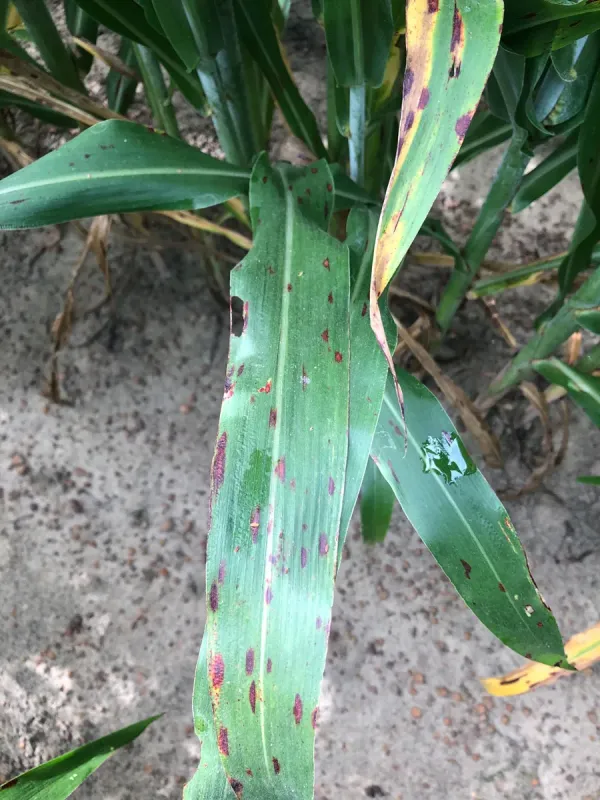
Sorghum anthracnose symptoms initially appear as small, circular, or elliptical lesions on leaves. As the disease advances, these spots develop reddish or purple margins with light-colored centers.
Under humid conditions, small black structures called acervuli form within the lesions. These structures are essential for identifying the presence of the pathogen in the field.
Infected stalks often display internal dark rot, which hinders the plant's ability to transport water and nutrients efficiently. This can lead to premature plant lodging.
Inflorescence infection causes panicle blight, resulting in poor seed development and stunted grains. Such seeds are often discolored and may be covered in fungal mycelium.
Early-stage detection is vital, as the symptoms typically spread from the lower canopy to the upper leaves, severely limiting the photosynthetic capacity of the crop.
Pathogen
The causative agent of the disease is the fungus Colletotrichum sublineola. It is a highly specialized pathogen that specifically targets sorghum varieties, often overcoming plant resistance mechanisms.
Conditions for development
Development of the disease is favored by frequent rainfall, high humidity, and warm temperatures ranging from 25°C to 30°C. These conditions maximize sporulation and germination rates.
Why it matters
Anthracnose is a major limiting factor in sorghum production worldwide. It causes significant yield losses by reducing grain weight and quality, often making the harvest unsuitable for commercial use.
Increased lodging and poor plant vigor caused by the fungus result in secondary economic losses, as harvesting becomes more difficult and crop residue value decreases.
Protection
The primary control strategy involves planting resistant sorghum hybrids. Crop rotation with non-host species is also critical to reduce the inoculum levels in the soil.
Effective management includes deep plowing to bury crop residues, as well as the application of registered fungicides when environmental conditions are conducive to disease outbreaks.
Discussion
No discussions yet — be the first.