
Sansevieria anthracnose
Colletotrichum sansevieriae
Description
Symptoms
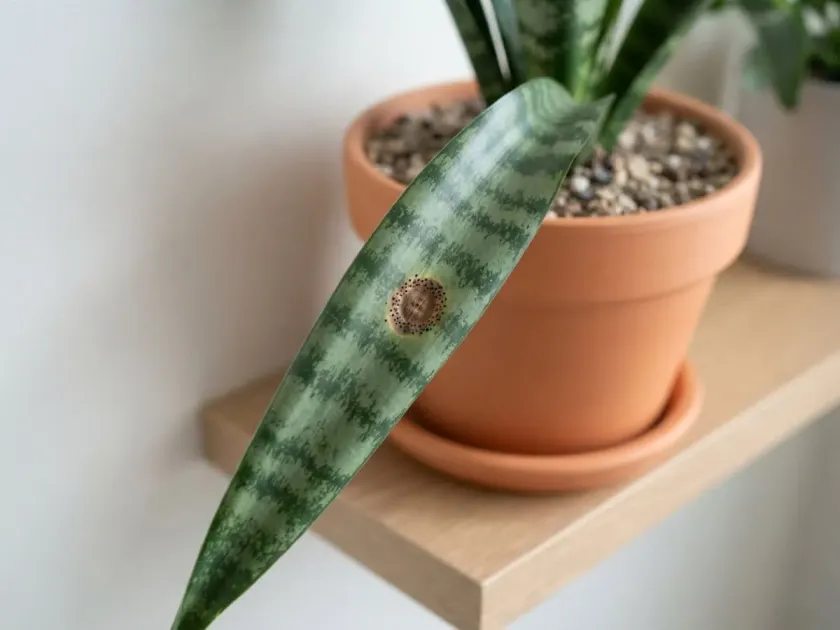
The initial symptoms present as small, circular to oval sunken spots on the leaves. These lesions are typically light brown or reddish-brown and are often encircled by a distinct yellow halo.
As the disease progresses, these spots expand, turning dark brown or black. The tissue within these lesions becomes dry, sunken, and papery, indicating cell necrosis.
Under conditions of high humidity, tiny black dots appear in the center of the lesions. These are acervuli—the fruiting bodies of the fungus that release thousands of spores into the environment.
In advanced stages, multiple spots may coalesce, covering large sections of the leaf. This leads to severe wilting, chlorosis, and eventual collapse of the entire leaf structure.
The overall plant appearance suffers drastically, losing its upright posture and vibrant color. If the infection reaches the base or crown, the plant may die rapidly.
Pathogen
Sansevieria anthracnose is caused by the pathogenic fungus Colletotrichum sansevieriae. This fungus belongs to a group of plant-pathogenic microorganisms that specifically target succulent and leafy plants.
The fungus survives as mycelium or spores within plant debris, contaminated soil, or even on the surface of nursery pots and tools. It remains viable for extended periods in various environmental conditions.
Infection occurs when conidia (spores) germinate on the leaf surface. The fungus enters the plant through stomata or minor mechanical abrasions on the epidermis, colonizing the internal tissues.
Reproduction of the pathogen is rapid, with new spores produced in structures called acervuli. These spores are easily spread via splashing water, droplets from overhead irrigation, or physical contact.
While primarily affecting the genus Sansevieria, the pathogen can potentially infect other related succulent species, making it a persistent threat in greenhouse environments.
Conditions for development
The development of Colletotrichum sansevieriae is strongly favored by warm temperatures (above 20°C) combined with high ambient humidity. These conditions are ideal for spore germination.
Overhead watering is a primary vector for the disease. When water collects in the center of the leaf rosette, it provides a standing water source that acts as a breeding ground for fungal spores.
Poor ventilation prevents the foliage from drying efficiently after watering. In stagnant air, the duration of leaf wetness increases, facilitating deeper penetration of the fungal mycelium.
Plants that are stressed due to low light, improper nutrition, or root damage are significantly more susceptible to infection compared to healthy, robust specimens.
Contaminated soil, recycled pots, and unsterilized pruning tools are common ways through which the disease is introduced into a new environment or healthy collections.
Why it matters
Anthracnose causes significant aesthetic damage, ruining the visual appeal of Sansevieria, which is primarily grown for its architectural foliage. Damaged leaves are permanent, as they do not recover.
The pathogen is highly contagious within a crowded plant collection. Without strict control, one infected plant can easily lead to the loss of an entire stock of Sansevieria.
By damaging the leaf tissue, the disease interferes with photosynthesis, weakening the plant's metabolic capacity and reducing its overall growth and vigor.
Severe infections can destroy the root system or crown, causing the plant to rot at the base. This stage is often irreversible and necessitates the disposal of the plant.
For commercial growers, this disease represents a major financial risk, as infected batches are often unsellable and must be destroyed to prevent further outbreaks.
Protection
The immediate step in management is the isolation of the infected plant. All severely affected leaves should be removed using a sterile cutting tool, cutting into the healthy tissue.
Treatment involves the application of fungicides containing copper, mancozeb, or systemic triazoles. Multiple applications are usually required to effectively halt the fungal progress.
Cultural control is paramount: avoid watering into the center of the leaves, ensure proper drainage, and improve airflow around the plants to keep the foliage dry.
Regular monitoring of the collection is essential for early detection. Catching the disease at the onset of small spotting allows for much higher success rates in saving the plant.
Preventive measures include using fresh, sterile potting media and maintaining optimal light levels to ensure the plant's natural immune defense is as strong as possible.
Discussion
No discussions yet — be the first.