
Orchid anthracnose
Colletotrichum oncidii
Description
Symptoms
The initial signs of anthracnose are small, sunken spots on leaves, which gradually expand into larger lesions. These spots typically display dark brown or black coloration and are often surrounded by a prominent yellowish chlorotic halo.
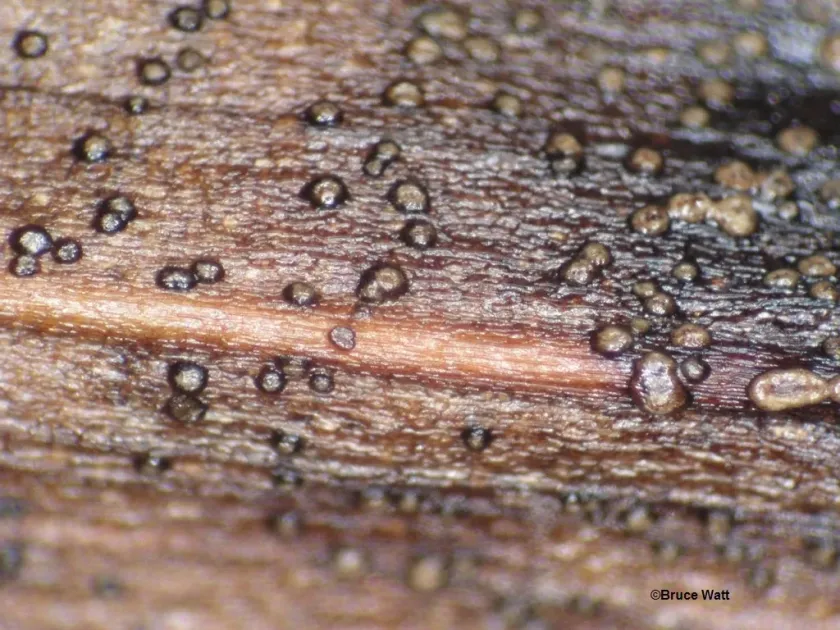
As the disease progresses, concentric rings appear within the lesions. These rings contain small, black structures known as acervuli, which are the fungal fruiting bodies where mass amounts of spores are produced and released.
Under humid conditions, a sticky, pinkish or yellowish mass of spores may be visible on the surface of the infected spots. If the infection reaches the pseudobulbs or stems, the plant tissues soften, rot, and may eventually turn into a mushy, dark mess.
In cases where the flower stalks are affected, the buds often wither and drop before they can bloom. The leaves themselves may become brittle and thin in the infected areas, and the necrotic tissue often tears, resulting in holes throughout the foliage.
The severity of the symptoms varies depending on the species of orchid and the stage of infection. In advanced stages, the plant loses its structural integrity and exhibits significant wilting due to the impairment of its vascular system.
Pathogen
The causative agent of orchid anthracnose is the fungus Colletotrichum oncidii, an ascomycete pathogen that primarily affects various orchid species. This fungus is highly specialized and is known for its ability to persist in plant debris and greenhouse substrates for long periods.
The fungus reproduces by forming conidia, which are asexual spores that spread via water splashes, high humidity, or contaminated tools. Once these spores land on a susceptible surface, they germinate and penetrate the host tissue through stomata or mechanical injuries.
After penetration, the pathogen releases toxins and cell wall-degrading enzymes that cause tissue necrosis. The speed at which the fungus colonizes the host depends on environmental conditions and the overall health of the orchid specimen.
Colletotrichum oncidii is particularly dangerous due to its capacity for latent infection, where the plant may appear healthy while the fungus remains dormant in the tissues. Activation occurs when the plant undergoes environmental stress or physiological changes.
The resilient nature of the spores ensures that the fungus can survive in various environments, making it a persistent threat in both commercial nursery settings and private collections. Effective control requires understanding its biology and life cycle.
Conditions for development
The development of orchid anthracnose is strongly correlated with high relative humidity, typically exceeding 70%. Stagnant air and poor ventilation significantly increase the likelihood of rapid fungal colonization on the plant surface.
Temperatures ranging from +22°C to +28°C provide the optimal conditions for Colletotrichum oncidii to proliferate. In this range, the incubation period is minimized, allowing the disease to spread across the plant in a matter of days.
Cultural practices are major contributors to disease prevalence. Overwatering and the practice of overhead irrigation often lead to water accumulation in leaf axils, which serves as a prime site for fungal spore germination.
Plants under stress, whether due to improper lighting, inadequate nutrition, or temperature fluctuations, are significantly more susceptible to infection. A weak orchid lacks the physiological defense mechanisms needed to stop the initial fungal invasion.
Poor sanitation is a critical vector for the spread of anthracnose. Using unsterilized pruning shears or reusing potting substrate without disinfection allows the fungus to travel easily between healthy and infected plants.
Why it matters
Anthracnose is extremely damaging, particularly for high-value collector orchids, as the permanent lesions on the foliage significantly detract from the plant's aesthetic value. The damaged areas do not regenerate, leaving the plant scarred for its lifetime.
If the fungus attacks the crown or the point of growth of a monopodial orchid like a Phalaenopsis, it can lead to the total cessation of growth and subsequent death of the orchid. This makes early intervention crucial for preserving the plant.
The disease's potential to spread rapidly throughout a collection poses a grave risk to the entire greenhouse population. Without isolation and treatment, a single infected plant can become a source of inoculum that compromises all surrounding specimens.
Continuous infection drains the orchid's energy reserves, reducing its ability to produce new roots or flowers. Over time, the plant becomes stunted, eventually losing its ability to survive even if the infection is later brought under control.
Necrotic spots provide entry points for secondary bacterial and viral infections. These opportunistic pathogens can exploit the weakened tissue, accelerating the decay process and complicating the diagnosis and recovery effort.
Protection
The primary control strategy involves isolating infected plants and physically removing all visibly diseased tissue. Always cut into the healthy tissue and sterilize the pruning tools with alcohol or a flame between each cut to prevent cross-contamination.
Systemic fungicides are essential for managing established infections. Products containing active ingredients like copper compounds, mancozeb, or benomyl are effective in suppressing the growth of Colletotrichum species when applied according to the manufacturer's directions.
Cultural improvements are vital for long-term prevention. Ensure adequate airflow using fans, adjust watering schedules to ensure the substrate dries out appropriately, and avoid wetting the foliage whenever possible.
Strict hygiene protocols should be followed. Use only fresh, sterilized substrate for repotting, and sanitize benches and pots regularly. New plants added to the collection should be quarantined for at least three to four weeks before being placed with others.
- Apply systemic fungicides (e.g., thiophanate-methyl, mancozeb).
- Use cinnamon or crushed charcoal to treat cut surfaces on the plant.
- Maintain a strict quarantine for new orchid specimens.
- Ensure proper ventilation to prevent moisture buildup on leaves.
Discussion
No discussions yet — be the first.