
Pepper Anthracnose
Colletotrichum nigrum
Description
Symptoms
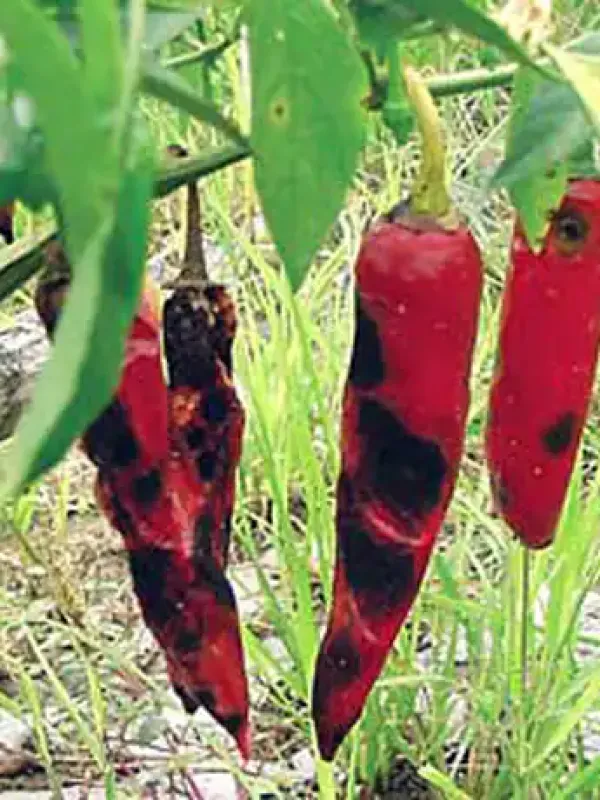
The most visible symptoms of pepper anthracnose appear on ripening fruit as small, circular, water-soaked, and sunken lesions.
These spots enlarge over time and often develop concentric rings, while the center of the lesion becomes covered with masses of spores that may appear pink or dark.
Foliar symptoms include small, irregular brown spots with a yellowish halo, which may lead to leaf chlorosis and premature leaf drop in severe cases.
Stems can also show elongated necrotic lesions, which may restrict the flow of nutrients and cause the wilting of the upper parts of the plant.
- Sunken necrotic lesions on fruit
- Pinkish or black spore masses in the center of spots
- Concentric patterns within lesion areas
- Premature fruit rot and mummification
- Brown spots on leaves and stems
Pathogen
The disease is caused by the fungus Colletotrichum nigrum, which is a major pathogen affecting various solanaceous crops including peppers and tomatoes.
The pathogen overwinters as mycelium or sclerotia in infected plant debris, soil, and on seeds, serving as a primary source of inoculum for the next season.
During the growing season, the fungus produces conidia, which are disseminated by rain splashes, wind, and agricultural equipment.
The infection process involves the germination of spores on the fruit surface, followed by penetration into the host tissues through natural openings or small wounds.
As a hemibiotrophic pathogen, it first colonizes the host tissue without causing immediate damage, followed by a necrotrophic phase that leads to tissue collapse.
Conditions for development
Pepper anthracnose thrives under warm and humid conditions, with optimal temperatures for disease development ranging from 22°C to 28°C.
Prolonged leaf wetness and high relative humidity (above 80%) are crucial requirements for spore germination and successful infection.
Poor ventilation within greenhouses and overcrowding of plants significantly exacerbate disease spread by maintaining high humidity levels.
Injuries caused by insects, birds, hail, or mechanical harvesting create ideal entry points for the fungus to penetrate the fruit surface.
Frequent rain episodes during the harvest period create optimal conditions for the explosive development of the disease in open fields.
Why it matters
The primary damage is the complete loss of fruit marketability due to unsightly lesions and secondary rot infections.
Post-harvest losses are significant, as fruit that appears healthy at harvest can develop symptoms during storage and distribution.
The disease reduces overall yield by interfering with the plant's ability to produce sugars and by causing plant stress and premature senescence.
Frequent pesticide applications to manage the disease increase production costs and potentially impact the farm's environmental footprint.
In cases of severe infestation, the pathogen persists in the soil, making it difficult to maintain profitable production of susceptible crops for several seasons.
Protection
The management of pepper anthracnose relies on an integrated approach starting with the use of certified, disease-free seed and resistant cultivars.
Crop rotation practices should be strictly followed, ensuring a break of at least 3 to 4 years between solanaceous crops.
Greenhouse environments must be managed by optimizing spacing, promoting airflow, and avoiding overhead irrigation to keep foliage and fruit dry.
Chemical control involving timely applications of contact or systemic fungicides is essential when weather conditions favor disease development.
Sanitation practices, including the removal and destruction of infected plant material and weeds, are vital to reducing the primary inoculum level.
Discussion
No discussions yet — be the first.