
Anthracnose of cucurbits
Colletotrichum melonis
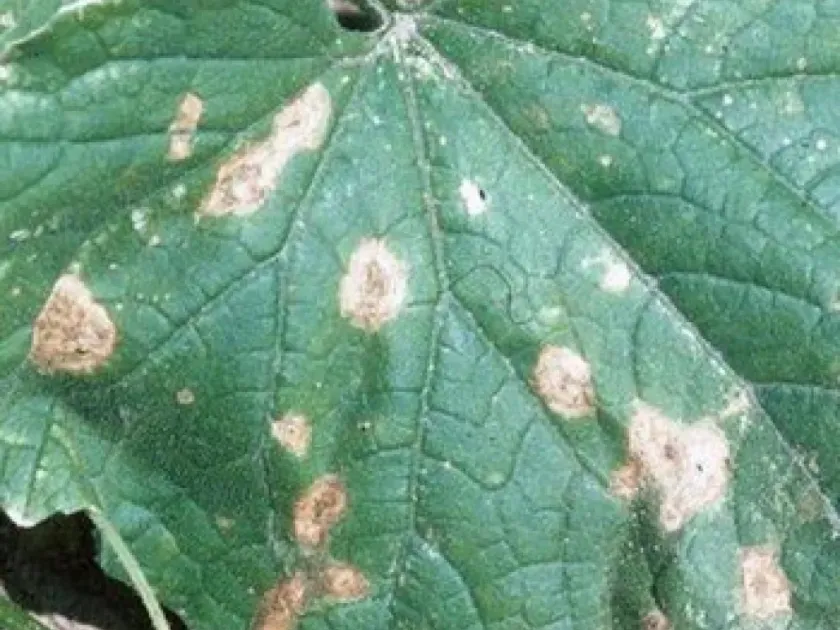
Description
Symptoms
Early symptoms of anthracnose include small, water-soaked, yellowish or brown spots on leaves. As the infection progresses, these lesions enlarge and often become angular, eventually turning dark brown or black.
On stems, petioles, and fruits, the pathogen causes distinct sunken lesions or ulcers. These necrotic areas can girdle stems, leading to the collapse of the vines and resulting in the death of the distal parts of the plant.
A hallmark sign of the disease is the development of a pinkish to orange gelatinous mass of spores within the centers of the lesions, especially visible during periods of high humidity or morning dew.
When fruits are infected, the lesions appear as deep, circular, sunken spots that often lead to internal rot. In severe cases, the fruit surface may crack, and the entire fruit becomes unmarketable and susceptible to secondary bacterial infections.
During dry weather, the centers of the necrotic leaf spots may dry out and tear, leaving shot-hole patterns in the foliage. Consistent monitoring of the canopy and fruit surface is required to detect these signs before they become widespread.
Pathogen
The causal agent of anthracnose in cucurbits is the fungus Colletotrichum melonis (formerly Colletotrichum orbiculare). This destructive pathogen affects a wide range of cucurbitaceous crops, including watermelons, melons, cucumbers, and squashes, throughout their entire growth cycle.
The fungus overwinters in plant debris in the soil and can also be seed-borne. During the growing season, infection spreads primarily through conidia, which are dispersed by rain splash, wind, irrigation water, and farm equipment moving through infested fields.
Upon infection, the fungus penetrates plant tissues, degrading cell walls and producing enzymes that cause tissue necrosis. It can persist in the soil for several years through survival structures, making long-term field management essential for control.
The biology of Colletotrichum melonis is characterized by a rapid asexual reproductive cycle, especially under favorable humid conditions. This allows the disease to spread quickly, potentially causing severe outbreaks in commercial vegetable production.
Understanding the life cycle of the pathogen is crucial for integrated pest management (IPM). Effective control strategies must target both the survival structures in the soil and the active vegetative spread during the growing season.
Conditions for development
Anthracnose thrives in warm and wet environments. High relative humidity (above 85%) and temperatures ranging from 22°C to 28°C are optimal for spore germination and infection processes. Rain events frequently trigger secondary spread.
Poor field hygiene and dense planting patterns foster high-humidity microclimates within the canopy, preventing foliage from drying out quickly. This lingering moisture is essential for the pathogen to successfully infect the host tissue.
Plant nutrition plays a significant role in susceptibility. Excessive nitrogen application promotes succulent growth, which is more prone to fungal attacks, whereas adequate levels of potassium and phosphorus help strengthen cell walls.
Repeated cropping of cucurbits in the same field without adequate rotation leads to high levels of inoculum buildup. The presence of volunteer plants and crop residue from the previous season provides a reservoir for the disease to restart.
In greenhouses and high tunnels, poor ventilation and condensation drip are major factors. If the environment is not managed to keep foliage dry, anthracnose can decimate a protected crop in a very short time.
Why it matters
Anthracnose is considered one of the most destructive diseases in cucurbit production, capable of causing yield losses exceeding 50% under conducive weather conditions. The loss of photosynthetic area severely impacts fruit sugar content and final weight.
Stem lesions disrupt water and nutrient transport, which can lead to wilting and premature plant death. This significantly reduces the window for fruit maturation, resulting in lower yields of high-quality market produce.
Fruit infection is particularly damaging, rendering the produce unmarketable due to both aesthetic defects and the risk of rapid post-harvest decay. Retailers and consumers reject spotted, rotting melons, leading to significant economic losses for growers.
The disease reduces the vigor and longevity of the entire crop. An early-season outbreak can necessitate intensive and costly fungicide programs to prevent total crop loss, changing the economic viability of the season.
Furthermore, the persistent nature of the pathogen in the soil complicates future cropping plans. Field areas affected by a major outbreak require aggressive sanitation to prevent re-infection in subsequent years.
Protection
Management of anthracnose relies heavily on cultural practices. Crop rotation for at least 3-4 years away from cucurbit hosts is essential. Thorough removal or deep burial of infected plant debris post-harvest is crucial to reduce primary inoculum.
Using disease-free, high-quality seeds or seedlings treated with appropriate fungicides is the first line of defense. Selecting resistant or tolerant varieties, where available, provides a significant advantage in reducing the severity of outbreaks.
Chemical control involving fungicides such as strobilurins, triazoles, and chlorothalonil is effective if applied preventively. Programs must emphasize alternating chemical classes to delay the development of fungicide resistance in Colletotrichum melonis.
Water management is key; using drip irrigation instead of overhead systems significantly reduces leaf wetness. Ensuring proper row spacing and weed control also improves air movement within the crop canopy.
- Regular monitoring for early detection of necrotic spots on foliage.
- Immediate removal of symptomatic plants to reduce the spread to healthy neighbors.
- Applying preventive biological fungicides like Bacillus subtilis during moist spells.
- Disinfecting all field equipment and tools to prevent cross-contamination between fields.
Discussion
No discussions yet — be the first.