
Liriope anthracnose
Colletotrichum liriopes
Description
Symptoms
Initial symptoms present as small brown or dark gray spots. Over time, these lesions expand and develop a distinct margin, with the centers often fading to a lighter beige or grayish color.
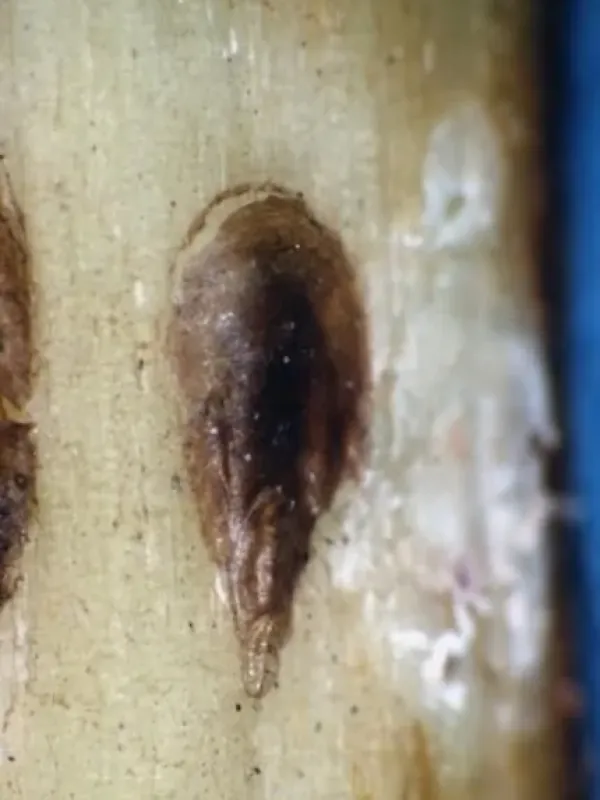
Small black dots, known as acervuli, appear on the surface of these necrotic spots. These are the fungal fruiting bodies and serve as the primary diagnostic feature when examining infected foliage.
As the disease progresses, lesions may coalesce, covering large areas of the leaf blade. This causes yellowing, drying, and premature senescence, which significantly reduces the plant's aesthetic value.
If the infection reaches the leaf petioles, it can cause the leaves to break and collapse prematurely. The plant loses its structure and appears sickly and damaged.
In high-humidity environments, a slimy mass of spores, often pinkish or cream-colored, may appear on the lesions. This indicates active sporulation and poses a high risk of spreading to healthy foliage.
Pathogen
The causative agent of this disease is the ascomycete fungus Colletotrichum liriopes, belonging to the Colletotrichum genus. This pathogen is a specialist parasite affecting members of the Asparagaceae family, particularly the genus Liriope.
The fungus attacks plant tissues by penetrating the epidermis and degrading cellular structures. Infection spreads through conidia, which are produced in specialized structures called acervuli that erupt through the surface of the infected leaves.
The fungal mycelium can survive in soil, plant debris, and even on seeds for extended periods, making it highly persistent and difficult to eradicate from affected areas.
Classified as an anthracnose, the disease is characterized by localized necrotic lesions. While typically restricted to leaves, severe cases can compromise the entire plant under favorable environmental conditions.
The fungus secretes enzymes and toxins that break down plant tissues, facilitating the parasite's nutrient uptake. This aggressive feeding mechanism makes the disease difficult to stop once it becomes established.
Conditions for development
High humidity is the primary driver for the development of Liriope anthracnose. Levels exceeding 75% relative humidity, combined with frequent rainfall or overhead irrigation, create perfect conditions for spore germination.
The fungus thrives in temperatures between +22°C and +28°C (+72°F to +82°F). Within this range, the incubation period is significantly shortened, often leading to rapid outbreaks.
Poor air circulation, often caused by overcrowding or dense plantings, leads to stagnant air and localized moisture buildup. This environment is ideal for the rapid transmission of the pathogen.
Poor horticultural practices, such as over-fertilizing with nitrogen or waterlogged soils, weaken the natural defenses of the Liriope plant. Stressed plants are much more susceptible to fungal invasion.
Mechanical damage from garden tools or pests creates entry points for the mycelium to invade healthy tissue. In these areas, the disease typically advances much more quickly than on undamaged surfaces.
Why it matters
The primary impact of anthracnose is the severe degradation of the plant's ornamental value. Because Liriope is primarily grown for its appearance, infected plants often fail to serve their purpose in landscaping.
Continuous leaf damage depletes the root system's energy reserves. This leaves the plant stunted and vulnerable to secondary infections, making it harder for the plant to survive winter dormancy.
In nursery settings, anthracnose can cause significant financial losses. Infected batches may be unsuitable for sale, and the spread of the pathogen can force the disposal of large amounts of stock.
Reduced photosynthetic capacity caused by widespread leaf spotting slows down the plant's metabolism, resulting in poor growth, reduced flowering, and limited propagation success.
If left unmanaged, the disease can wipe out entire plantings. Dealing with an established infection often requires intensive remediation, including the removal of all topsoil and infested plant material.
Protection
The first line of defense is the immediate removal and disposal of all symptomatic leaves. It is crucial to clear away all plant debris from the garden to eliminate the source of the infection.
Ensure proper spacing when planting to promote good air circulation. This prevents moisture from lingering on foliage and makes the environment less hospitable to the fungus.
- Preventive copper-based fungicide applications in early spring.
- Systemic fungicides used during active growth stages.
- Regular inspection of plantings to detect early symptoms.
- Improving soil drainage to prevent moisture-related stress.
Chemical control involves the use of systemic fungicides, such as triazoles or strobilurins. Applications should be repeated every 10–14 days whenever signs of the disease appear.
To prevent the development of fungicide resistance, it is important to rotate products with different active ingredients. During periods of heavy rain, increase the frequency of sprays to ensure continuous protection.
Discussion
No discussions yet — be the first.