
Fruit anthracnose
Colletotrichum insertae
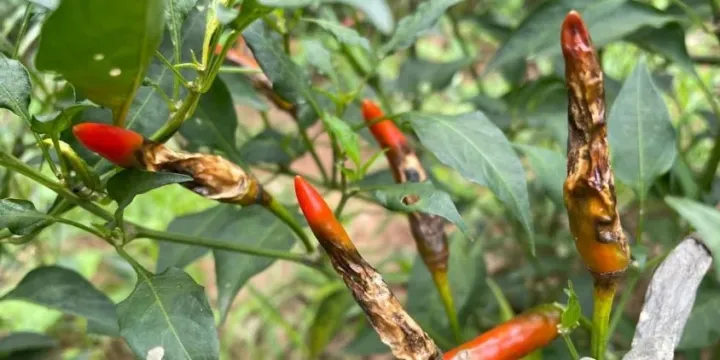
Description
Symptoms
The primary symptom of the disease is the appearance of small, circular, dark-brown or black sunken spots on the fruit surface, which gradually expand as the infection progresses.
Under humid conditions, these lesions develop masses of orange or pink spores that ooze from the center of the spot, giving it a slimy appearance.
In many cases, the spots form concentric rings around the infection point, eventually causing the entire fruit to rot and shrink into a shriveled, dark mummy.
On leaves, anthracnose appears as irregular necrotic spots, which can lead to premature leaf drop if the infection is severe enough to affect the vascular tissues.
Twigs and branches may also develop cankers or dieback, which is characterized by the cracking of the bark and the death of the distal parts of the shoots.
Pathogen
Fruit anthracnose is caused by the fungus Colletotrichum insertae, an ascomycete pathogen that is widely distributed in orchards worldwide, causing significant losses to stone and pome fruits.
The fungus survives as mycelium or as specialized structures called acervuli on infected branches, dead twigs, and mummified fruit that remain in the orchard throughout the dormant season.
Conidia, the asexual spores of the fungus, are produced in mass and are disseminated by splashing water, rain droplets, and wind, which are critical for the spread of the infection during the growing season.
The pathogen is known for its ability to remain latent in green, immature fruit, only showing symptoms when the fruit begins to ripen and sugar levels increase.
Molecular research confirms the high genetic variability of Colletotrichum species, which allows the pathogen to overcome standard resistance mechanisms in many fruit cultivars.
Conditions for development
High relative humidity and warm temperatures (ranging from 20°C to 28°C) are the primary environmental drivers that favor the germination and growth of Colletotrichum spores.
Periods of prolonged rainfall are particularly dangerous, as the rain facilitates both the release of spores from the acervuli and their dispersal to healthy plant tissues.
Dense canopy development, which prevents adequate airflow and keeps the fruit surface wet for extended periods, creates an optimal microclimate for the disease to flourish.
Injuries to the fruit skin caused by insects, hail, or mechanical harvesting create easy entry points for the fungal hyphae to colonize the fruit tissue.
Over-fertilization with nitrogen can lead to excessive succulent growth, which is more susceptible to the penetration of the pathogen compared to hardier, slow-growing tissues.
Why it matters
The economic impact of fruit anthracnose is severe, as it causes direct fruit loss, ruins the aesthetic quality, and makes the fruit unsuitable for long-term storage or processing.
Secondary infections of anthracnose often occur post-harvest during transport and storage, resulting in huge market losses even for fruit that appeared healthy at harvest time.
Frequent defoliation due to leaf spots reduces the tree's photosynthetic capacity, leading to weaker growth and reduced yield potential in subsequent years.
The cost of implementing integrated pest management programs, including multiple fungicide applications, adds significantly to the overhead of commercial fruit production.
If left unmanaged, the pathogen can quickly colonize an entire orchard, necessitating the removal of heavily infected trees to prevent total crop failure.
Protection
Sanitation is the cornerstone of control: removing and burying or burning all fallen fruit, leaves, and dead twigs is essential to reducing the primary inoculum source for the next season.
Pruning trees to improve sunlight penetration and air circulation is a critical cultural practice that helps dry out foliage and fruit quickly after rain events.
Application of fungicides, such as copper-based sprays or systemic fungicides belonging to the strobilurin or triazole classes, should be timed according to weather forecasts.
Managing insect pests that damage fruit skin helps reduce the number of potential infection sites and keeps the fruit integrity intact throughout the ripening process.
- Regular monitoring of orchard health.
- Use of certified, disease-free planting material.
- Balanced fertilization to prevent overly succulent growth.
- Rapid cooling and dry storage of harvested fruit.
Discussion
No discussions yet — be the first.