
Anthracnose of ornamental plants
Colletotrichum grossum
Description
Symptoms
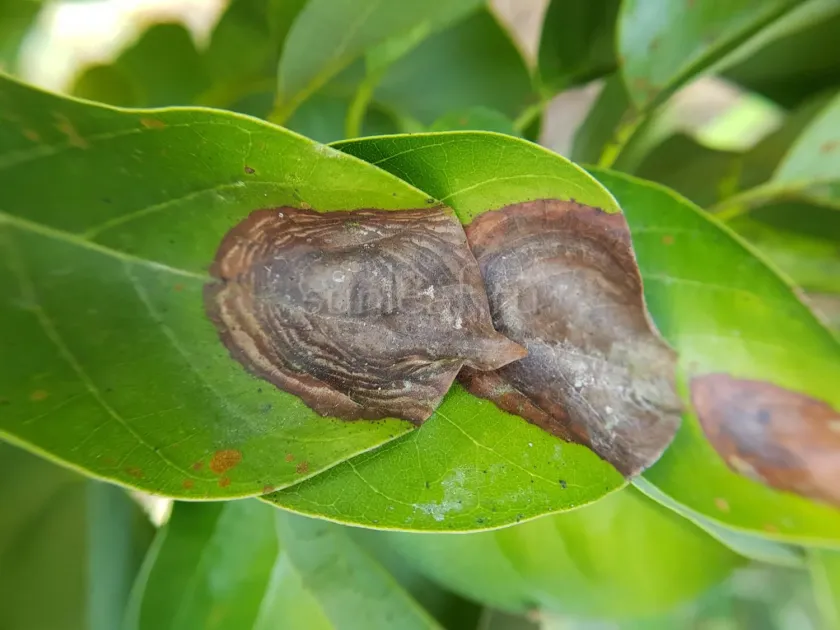
Anthracnose typically manifests as irregular or circular spots on leaves, which may range in color from light brown to dark brown or black. As the infection progresses, these spots often expand and coalesce.
A hallmark sign is the appearance of a dark margin surrounding the infected area. In humid conditions, pinkish or white spore masses often develop in the center of the spots, visible to the naked eye.
Stem cankers or sunken lesions are another common symptom. These cankers can girdle the stem, restricting the flow of water and nutrients, which eventually leads to the wilting and dieback of the branch above the lesion.
Infected flowers often show spotting and blighting, leading to premature petal drop and overall poor aesthetic appearance. In some cases, buds may turn black and die before opening.
- Dark, necrotic leaf spots with defined margins
- Tiny black dots (acervuli) within the lesions
- Sunken cankers on stems and branches
- Premature leaf drop and dieback
- Bud blight and flower disfigurement
Pathogen
The causative agent of this disease is a fungus from the genus Colletotrichum. This pathogen is known for its ability to attack a wide range of ornamental plant species, causing significant damage to leaves, stems, and fruits.
The life cycle of the fungus involves the production of conidia (spores) that are easily spread by splashing water, rain, wind, and contaminated tools. Once these spores land on a host plant, they germinate and penetrate the epidermis.
Colletotrichum can survive for extended periods in infected plant debris, soil, and even on the seeds. This makes it a persistent threat that can re-emerge whenever favorable environmental conditions occur.
Inside the plant tissue, the fungal mycelium colonizes the area and produces enzymes that break down cell walls. This destruction leads to the characteristic spots and necrosis observed by growers.
The fungus produces fruiting bodies known as acervuli within the lesions. These structures are the sites where thousands of new spores are produced, facilitating rapid spread during the growing season.
Conditions for development
The primary driver for anthracnose outbreaks is excessive moisture. Frequent rainfall, high relative humidity, and overhead irrigation provide the perfect moist environment required for spore germination.
Warm temperatures, generally ranging from 22°C to 28°C (72°F to 82°F), are optimal for the rapid growth of the fungus. During such periods, the disease can spread throughout a landscape with alarming speed.
Poor airflow caused by overcrowding or lack of pruning is a major contributing factor. When foliage stays wet for long periods, it creates a conducive microclimate for the pathogen to thrive.
Mechanical injuries resulting from pruning, trimming, or pest feeding provide easy access points for the fungus. If tools are not disinfected between plants, they can quickly transmit the pathogen.
Inadequate soil drainage and stress from improper plant placement can weaken a plant's defenses. A weakened plant is significantly more susceptible to infection than one that is healthy and vigorous.
Why it matters
The most immediate harm from anthracnose is the loss of decorative value. Disfigured leaves and blighted stems ruin the look of ornamental plantings, which is unacceptable in professional landscaping.
Severe defoliation reduces the plant's photosynthetic capacity, which leads to a decrease in overall energy reserves. This makes the plant less likely to survive the winter and more prone to other diseases.
Branch dieback can permanently alter the shape and structure of ornamental shrubs and trees. If the central leader is infected, the long-term health and growth potential of the specimen are compromised.
The fungus can cause significant economic losses in nurseries where thousands of plants can be ruined in a short time. Managing an outbreak requires labor-intensive cleanup and chemical intervention.
Prolonged infections can lead to the eventual death of the host plant, especially in species that are highly sensitive to the pathogen. Once established, the disease is notoriously difficult to eradicate completely.
Protection
Sanitation is the first line of defense. Prune and remove all infected plant parts as soon as they are identified. Collect and dispose of all fallen leaves and debris to remove overwintering sites for the fungus.
Apply fungicides as a protective measure or upon the first appearance of symptoms. Copper-based products and systemic fungicides are generally effective in limiting the spread of the disease.
Improve air circulation by proper spacing and thinning out dense foliage. This helps the leaves dry out faster after rainfall, effectively inhibiting spore germination and growth.
Always sanitize pruning tools using a solution of alcohol or bleach to prevent spreading spores. Avoid overhead watering to keep foliage dry and reduce the likelihood of new infection cycles.
Promote plant health by providing optimal nutrition and avoiding excessive nitrogen, which can lead to lush, susceptible growth. Healthy plants have better natural resistance to fungal challenges.
Discussion
No discussions yet — be the first.