
Fruit Anthracnose
Colletotrichum fructivorum
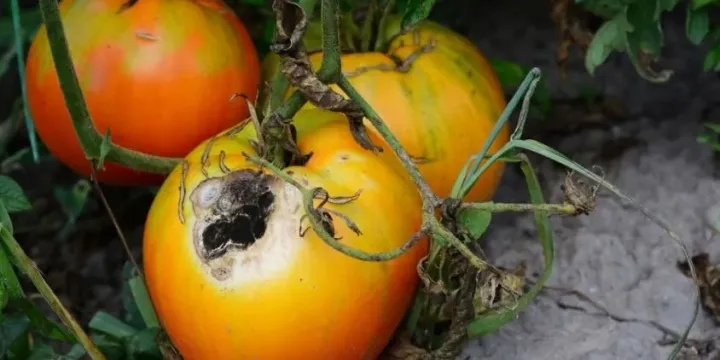
Description
Symptoms
Symptoms typically begin as small, circular, water-soaked spots on the surface of the fruit, which gradually enlarge and turn brown or jet black.
As the infection progresses, concentric rings of orange or pink spore masses develop in the center of the lesions, giving the fruit a characteristic appearance.
In highly susceptible hosts, the entire fruit can rot, becoming soft, sunken, and often mummified if left hanging on the branches for too long.
The flesh underneath the lesion often shows signs of decay, and in some species, the fruit may drop prematurely as a result of heavy infection.
- circular sunken dark lesions;
- orange or pink spore clusters;
- rapid tissue softening and rot;
- premature fruit drop.
Pathogen
The disease is caused by the fungus Colletotrichum fructivorum, a prolific pathogen that specifically targets maturing fruit, causing significant post-harvest and pre-harvest losses.
The fungus produces asexual spores called conidia within acervuli, which appear as small, cushion-like structures that erupt through the fruit's epidermis during humid conditions.
The pathogen survives the winter as mycelium in infected twigs, bark, mummified fruits left on trees, or within leaf debris on the orchard floor.
Dissemination is primarily driven by rain splash, irrigation, and wind-blown droplets, which carry spores from the reservoir sites onto susceptible fruit tissues.
It is a highly opportunistic pathogen that can utilize wounds created by insects or mechanical damage as entry points to colonize the interior of the fruit.
Conditions for development
Development of Colletotrichum fructivorum is heavily dependent on warm temperatures, typically between 20°C and 28°C, and consistent moisture.
Prolonged leaf wetness duration, usually induced by rainy weather, high humidity, or overhead irrigation, is essential for spore germination and infection.
Dense orchard canopies that restrict airflow and increase humidity create a microclimate conducive to rapid fungal spread and colonization.
Periods of rainfall during the fruit ripening stage are particularly dangerous, as the sugar content in the fruit increases, making tissues more susceptible to fungal attack.
Orchards with poor drainage or high weed pressure often experience higher disease incidence due to the lack of airflow and maintenance of moisture near the ground.
Why it matters
Fruit anthracnose causes direct losses by rendering fruit unmarketable due to the presence of unsightly lesions and rotting, which ruins consumer appeal.
The disease is particularly devastating because infected fruits often show no symptoms until they are stored, leading to rapid contamination of healthy batches.
Heavy infections can cause premature shedding of fruit, resulting in a significant reduction in total yield and financial loss for the producer.
The fungus can also weaken the overall physiological health of the tree, potentially affecting vigor and crop production in subsequent growing seasons.
High management costs, including frequent fungicide applications and extra labor for removing infected debris, place a heavy financial burden on growers.
Protection
Sanitation is the most critical management step; this includes the diligent removal and destruction of infected fruit, mummies, and dead wood to reduce the primary inoculum.
Pruning techniques that improve canopy airflow and light penetration are essential to keep fruit dry and minimize the time available for spores to germinate.
A structured fungicide program using protectant and systemic products is necessary during high-risk periods, especially when wet weather is forecast during fruit set and ripening.
Integrated Pest Management (IPM) to control fruit-feeding insects is vital, as insect damage provides the primary entry points for the fungal pathogen.
Maintaining balanced soil fertility, particularly adequate potassium levels, helps strengthen fruit skin, providing a natural barrier against fungal invasion.
Discussion
No discussions yet — be the first.