
Fruit Anthracnose
Colletotrichum fructi
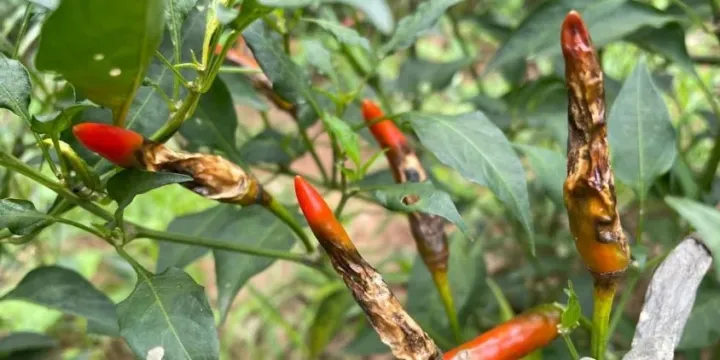
Description
Symptoms
The initial symptoms appear as small, circular, water-soaked spots on the surface of the fruit that eventually turn brown or black and become slightly sunken.
Under humid conditions, these lesions develop characteristic pink or orange spore masses, often arranged in concentric circles around the initial infection point.
As the disease progresses, the internal fruit tissue softens and rots, often resulting in complete fruit decay within a few days of the initial manifestation of symptoms.
Young, developing fruits may become deformed, wither, and drop prematurely from the tree, significantly reducing the potential yield of the orchard.
- Sunken dark lesions on fruit skin.
- Pink or orange spore masses.
- Concentric ring pattern development.
- Soft tissue rot.
- Premature fruit mummification.
Pathogen
The causative agent of fruit anthracnose is the fungus Colletotrichum fructi, which belongs to the class of Coelomycetes. This pathogen is known for its high virulence and ability to infect a wide variety of fruit crops.
The fungus survives the winter as dormant mycelium or spores within infected twigs, mummified fruits, and organic debris left on the orchard floor or in the canopy.
During the growing season, especially in wet weather, the fungus produces conidia in structures called acervuli. These spores are disseminated by splashing rain and overhead irrigation.
Upon landing on a suitable host, the spores germinate and form appressoria, which exert mechanical pressure and secrete enzymes to penetrate the fruit epidermis.
The pathogen is polycyclic, meaning it can produce multiple generations within a single season, leading to rapid disease escalation if weather conditions remain conducive.
Conditions for development
Fruit anthracnose is highly dependent on high moisture levels. Relative humidity above 85 percent and frequent rainfall are the most critical factors for spore dispersal and infection.
The optimal temperature range for the growth of Colletotrichum fructi is between 22 and 28 degrees Celsius, making mid-to-late summer periods particularly risky for fruit development.
Dense tree canopies that lack proper pruning impede air circulation, creating a microclimate where moisture persists on fruit surfaces for extended periods, facilitating infection.
Wounded fruit skin, caused by hail, insect feeding, or mechanical harvesting damage, provides easy access for the fungus to penetrate deep into the plant tissue.
Poor orchard sanitation, characterized by the accumulation of leaf litter and infected fruit residues, serves as the primary reservoir for initial inoculum each year.
Why it matters
The primary economic impact of this disease is the significant reduction in marketable fruit yield, leading to massive financial losses for growers and commercial fruit operations.
Fruit infected with anthracnose loses all commercial value, as the lesions are unappealing and the rot quickly degrades the taste and quality of the produce.
The pathogen also weakens the overall health of the tree, potentially leading to branch dieback and decreased vitality in subsequent growing seasons.
Post-harvest losses are severe, as latent infections on fruit can manifest during cold storage, ruining entire batches of fruit during distribution and retail phases.
The need for repeated fungicide applications to manage the disease increases production costs and places an additional burden on orchard profitability.
Protection
The first line of defense is strict orchard sanitation, which includes removing and destroying all mummified fruits and dead branches where the fungus persists.
Proactive fungicide programs, using contact fungicides like copper or systemic protectants, should be applied during critical stages such as flowering and fruit set.
Pruning trees to open up the canopy improves air circulation and sunlight penetration, which helps keep the fruit surface dry and inhibits fungal spore germination.
Effective insect control is essential, as managing pests prevents wounding of the fruit skin, thereby denying the pathogen easy entry points.
Utilizing resistant or less susceptible cultivars and ensuring high-quality maintenance, including balanced fertilization and proper irrigation, helps improve overall plant immunity.
Discussion
No discussions yet — be the first.