
Olive anthracnose
Colletotrichum clavatum
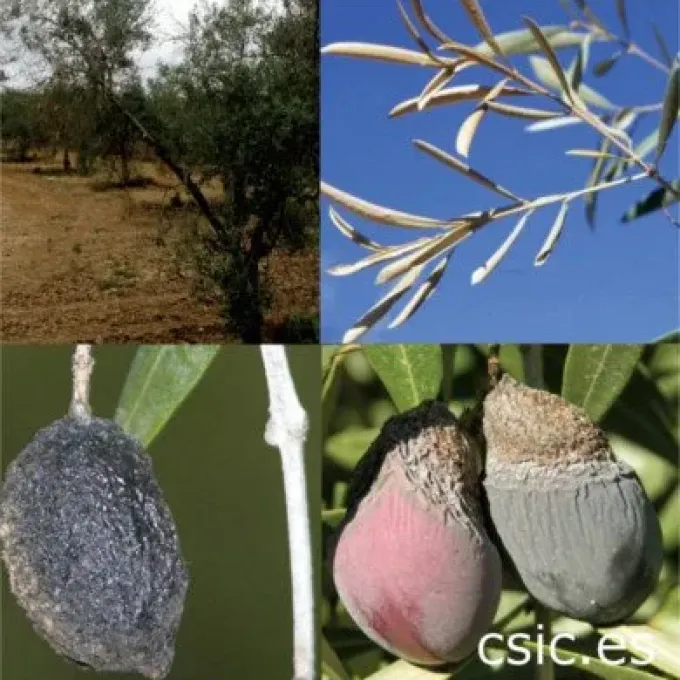
Description
Symptoms
The primary symptoms appear on the fruit as small, circular, and slightly depressed brown spots. As the infection progresses, these spots expand and darken, often covering a significant portion of the fruit.
Under humid conditions, the centers of these spots develop pinkish-orange or white masses, which are the fungal spores (conidia). This is a hallmark sign of advanced anthracnose infection.
The affected fruit typically becomes soft and shriveled, eventually mummifying on the tree. The fruit often drops prematurely, leading to significant yield losses before harvest.
While foliage and twig infections are less common, they can manifest as necrotic lesions, especially during periods of prolonged wet weather, potentially resulting in early defoliation.
- Depressed brown spots on olives
- Pink or orange sporulation on lesion surfaces
- Mummification and premature fruit drop
- Bitter taste and internal rot
- Reduced oil quality in affected harvests
Pathogen
The causative agent of this disease is the ascomycete fungus Colletotrichum clavatum, which is a highly specialized pathogen affecting olive trees. It is known to be one of the most destructive fungal diseases for olive orchards worldwide.
The fungus overwinters in mummified fruits left on the trees, fallen leaves, and cracks in the bark of infected branches. These structures allow the pathogen to survive during unfavorable weather periods.
The life cycle involves the formation of conidia that are disseminated primarily by rain splash and wind. This facilitates the rapid spread of the disease throughout the orchard during the growing season.
The pathogen is highly opportunistic, often remaining in a latent state within the host tissues until the environmental conditions become ideal for active colonization and fruit infection.
By producing extracellular enzymes, the fungus degrades the cell walls of the fruit tissue, allowing it to penetrate deeper into the olive, which leads to rapid tissue necrosis and decay.
Conditions for development
The development of olive anthracnose is strongly dependent on meteorological conditions. High relative humidity and frequent rainfall are the most critical factors favoring the spread of the disease.
The optimal temperature range for the pathogen's growth is between 20°C and 25°C. Within this range, the incubation period is significantly shortened, accelerating the infection process.
Orchards with dense canopy structures often suffer more from this disease. Poor airflow and high moisture retention within the canopy create a perfect microclimate for the fungus to thrive.
Foggy weather and heavy morning dews provide the necessary surface moisture for spore germination on the fruit skin, which is the primary route of entry for the pathogen.
Poor orchard hygiene, such as leaving diseased fruits or debris on the ground, increases the inoculum load and ensures that the cycle of infection continues year after year.
Why it matters
The economic impact of olive anthracnose is primarily due to direct losses in fruit quantity and, more importantly, a severe decline in the quality of the olive oil produced.
Oil extracted from infected olives exhibits high acidity, unpleasant odors, and a bitter, fermented taste. This makes the product unsuitable for high-quality market standards.
The disease also weakens the tree's overall vigor. Severe outbreaks can lead to the loss of shoots and branches, reducing the tree's photosynthetic capacity and lowering yields for subsequent seasons.
Control costs represent a significant burden for growers, as they require repeated chemical applications and increased labor for orchard management and sanitation.
In regions with conducive weather, anthracnose can cause a total crop failure within just a few weeks if proactive integrated pest management strategies are not implemented.
Protection
Effective management begins with strict orchard sanitation. Removing and destroying mummified fruits and pruning infected branches are essential steps to reduce the initial inoculum level.
Pruning should be focused on opening the canopy to allow for better sunlight penetration and airflow, which helps to dry out the fruit surface more quickly after rain or dew.
Chemical control involving copper-based fungicides is the standard practice for preventing outbreaks. Treatments must be applied strategically, particularly during the stages when fruit is most susceptible.
Maintaining adequate orchard hygiene and proper soil management can help suppress the buildup of spores. Controlling weeds under the tree canopy is also beneficial for humidity management.
Choosing resistant cultivars and monitoring the orchard for early signs of infection during damp seasons are crucial strategies for long-term successful olive production and disease control.
Discussion
No discussions yet — be the first.