
Citrus anthracnose
Colletotrichum citricola
Description
Symptoms
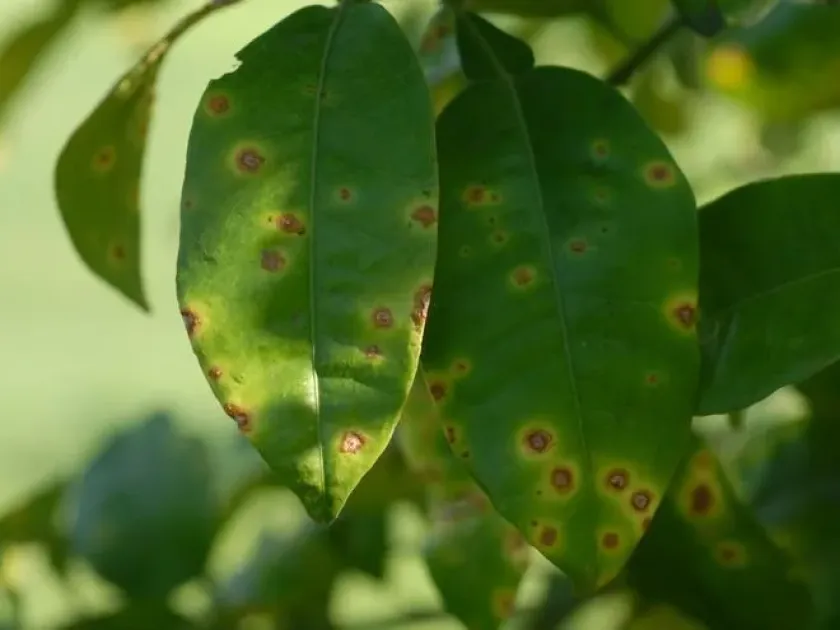
Symptoms initially appear as dark, water-soaked spots on leaves, which gradually enlarge and turn brown or black. These lesions are often surrounded by a chlorotic halo, indicating the spread of toxins produced by the fungal mycelium.
Twigs affected by the disease develop sunken lesions that can eventually girdle the stem, leading to dieback. Affected branches often exhibit signs of necrosis starting from the tips and progressing downward towards the main trunk.
Fruit symptoms typically manifest as dark, depressed spots that can grow rapidly as the fruit matures. In high humidity, these spots often produce pink or orange spore masses, a distinct sign of advanced anthracnose infection.
Premature leaf drop and fruit abscission are common in heavily infected trees, significantly impacting overall plant vigor. If left untreated, the dieback can affect large sections of the canopy, severely weakening the tree.
- Dark necrotic spots on leaves and fruits.
- Dieback of twigs starting from the apex.
- Gum exudation from cracks in the bark.
- Small black structures (acervuli) on the lesion surface.
- Deformed and stunted fruit development.
Pathogen
The causal agent of citrus anthracnose is the fungus Colletotrichum citricola, an ascomycete pathogen known for its ability to affect various citrus species worldwide. The fungus survives primarily in dead plant tissues, twigs, and fallen leaves during the dormant season.
The disease cycle begins with the production of conidia, which are disseminated by rain splash, wind, or overhead irrigation. Once they land on susceptible tissue, they germinate and penetrate the plant surface, often entering through natural openings or wounds.
The mycelium grows within the host tissue, causing cell destruction and necrosis. This aggressive colonization allows the pathogen to establish itself quickly, especially when trees are under stress or during prolonged periods of high humidity.
As the infection progresses, the fungus produces new spores on the necrotic surfaces. These structures are the source of secondary inoculum, allowing the disease to spread rapidly through the orchard or garden throughout the growing season.
Proper identification of the pathogen is crucial, as its life cycle can vary slightly depending on environmental conditions. Managing the source of the inoculum is the most effective way to prevent the disease from becoming established.
Conditions for development
The development of citrus anthracnose is highly favored by high relative humidity (above 80%) and warm temperatures ranging from 22°C to 28°C. Frequent rainfall during critical stages like flowering is a major driver of epidemics.
Poor orchard management, such as overcrowding, creates a microclimate with low airflow, allowing foliage to remain damp for extended periods. Wet foliage is essential for spore germination and successful infection by the fungus.
Trees under nutrient deficiency or environmental stress are significantly more susceptible to the disease. Mechanical wounds caused by pruning, insect feeding, or weather events provide easy access for the pathogen.
Excessive overhead irrigation can mimic rainy weather and exacerbate the spread of the disease. Proper drainage and irrigation management are essential to reduce the moisture levels around the foliage and branches.
The pathogen can also be spread through infected nursery stock or contaminated pruning tools. Maintaining high sanitary standards during routine maintenance is vital to prevent the introduction of the fungus into healthy areas.
Why it matters
The economic impact of citrus anthracnose is significant, primarily due to the loss of marketable fruit quality. Infected fruit rot rapidly and are highly susceptible to secondary pathogens during transit and storage.
Continuous defoliation caused by the disease reduces the tree's photosynthetic capacity, leading to long-term decline and reduced fruit yields. This also makes the tree more vulnerable to drought and other environmental stresses.
In nursery settings, the disease can cause severe losses of young saplings, leading to significant financial setbacks. Management costs, including chemical treatments and increased pruning labor, add to the overall production expenses.
Post-harvest losses are a major issue, as latent infections can remain dormant until the fruit is picked and stored. This often results in the loss of entire crates of fruit, threatening the profitability of the harvest.
For home gardeners, the disease can ruin the aesthetic appearance of citrus trees, making them look sparse and unhealthy. Severe infections may eventually necessitate the removal of the entire tree if the damage is too extensive.
Protection
Sanitation is the cornerstone of anthracnose control. It involves the regular removal and destruction of all infected twigs, leaves, and fallen fruit to significantly reduce the fungal inoculum levels in the environment.
Protective fungicide applications, particularly those containing copper, are effective when applied during critical growth phases like pre-flowering and fruit set. These create a layer of protection that prevents spores from infecting healthy tissue.
For established infections, systemic fungicides (such as triazoles or strobilurins) can be used to treat the plant and suppress further fungal colonization. Rotating chemical groups is essential to delay the development of resistance.
Optimizing tree health through balanced fertilization and proper water management improves the plant's natural resistance. Healthy trees are better equipped to limit the spread of infections within their tissues.
Regular disinfection of pruning equipment is mandatory to avoid transferring spores between trees. Ensuring proper tree spacing and canopy maintenance improves airflow, which helps keep the foliage dry and discourages fungal growth.
Discussion
No discussions yet — be the first.