
Tea anthracnose
Colletotrichum camelliae
Description
Symptoms
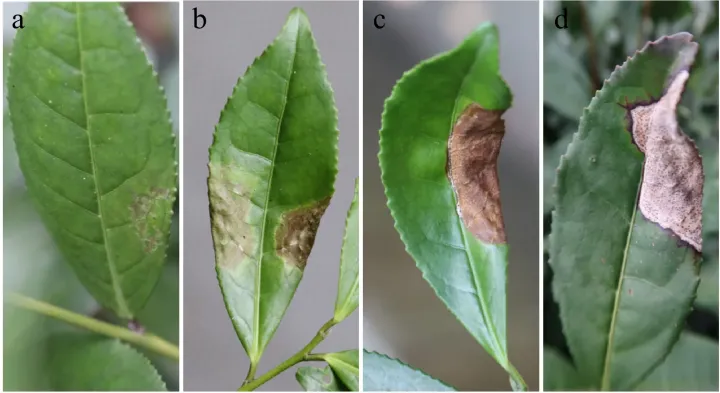
Initial symptoms include the appearance of small, circular to irregular brown spots on leaves. Over time, these spots expand, often developing a dark brown or black margin around the necrotic area.
A diagnostic characteristic of tea anthracnose is the emergence of tiny, black acervuli arranged in concentric rings or scattered patterns within the center of the leaf lesions.
In humid conditions, the acervuli may erupt and release a mass of conidia, which appears as a pinkish or cream-colored mucilaginous substance on the surface of the spot.
Severe infections lead to chlorosis, premature leaf abscission, and dieback of tender shoots. If the infection reaches the buds, it causes them to wither and fail to open, affecting the plant's overall growth.
- Brown necrotic spots with dark margins on tea leaves.
- Visible black acervuli within the lesions.
- Premature leaf drop and drying of young twigs.
- Stunting of the bush due to repeated leaf loss.
Pathogen
The causal agent of this disease is the fungus Colletotrichum camelliae (teleomorph Glomerella cingulata). It is a filamentous fungus belonging to the Ascomycota division, known for causing necrotic lesions on various tea plant tissues.
The fungus produces asexual spores called conidia, which are borne in specialized fruiting bodies known as acervuli. These structures break through the plant epidermis to release spores into the environment.
The pathogen primarily overwinters in infected plant debris, fallen leaves, and cankered stems. It survives as mycelium or as dormant spores until favorable conditions trigger the next infection cycle.
The infection process begins when conidia land on healthy leaf surfaces. Under suitable conditions, they germinate and form appressoria to penetrate the host cuticle and cell walls using enzymatic degradation.
Colletotrichum camelliae is highly adaptive and can survive as a saprophyte on decaying matter, making it a persistent threat in tea-growing regions around the world.
Conditions for development
High humidity and consistent rainfall are the primary drivers of anthracnose development. Moisture is essential for spore germination and the physical spread of the fungus across the plantation.
The disease thrives in temperatures ranging from 20°C to 25°C. These moderate temperatures, combined with high moisture, result in rapid fungal colonization of susceptible tissues.
Poorly managed plantations with dense canopy structures limit airflow, keeping the humidity high near the leaves. This creates a perfect microclimate for the fungus to spread rapidly.
Mechanical damage caused by harvesting machinery or pruning tools creates entry points for the pathogen, often leading to localized outbreaks immediately following cultivation activities.
Plants under physiological stress due to poor nutrition, specifically nitrogen excess or potassium deficiency, show increased susceptibility to Colletotrichum infections.
Why it matters
Tea anthracnose causes significant economic loss by reducing the quantity of pluckable leaves. A reduction in photosynthetic area directly correlates to lower total annual yield.
The quality of the manufactured tea is also compromised. Leaves damaged by fungal necrotic spots alter the enzymatic and chemical balance, resulting in a poor-quality final product.
Chronic infection weakens the tea bush, making it more vulnerable to secondary pests and adverse environmental stressors such as drought or frost.
In severe cases, entire bushes may experience dieback, leading to plantation gaps that require costly replanting or intensive rehabilitation efforts.
The cumulative impact on the root system and plant vigor significantly shortens the productive lifespan of the tea plants, impacting long-term profitability.
Protection
Integrated Pest Management (IPM) is essential for controlling anthracnose. This includes the use of resistant tea cultivars which remain the most effective long-term strategy.
Good agricultural practices such as strategic pruning to improve air circulation and sunlight penetration help to reduce the humidity levels that favor fungal growth.
Sanitation is crucial; infected plant material, especially fallen leaves, should be collected and destroyed to remove the inoculum reservoir for the next season.
Proper nutrient management, ensuring balanced levels of potassium and phosphorus, strengthens the plant's cuticle and improves its natural defense mechanisms against fungal penetration.
When the disease reaches an economic threshold, the use of protective fungicides (such as copper-based or systemic triazole compounds) is necessary to mitigate crop loss, following local safety guidelines.
Discussion
No discussions yet — be the first.