
Anthracnose of solanaceous crops
Colletotrichum baltimorense
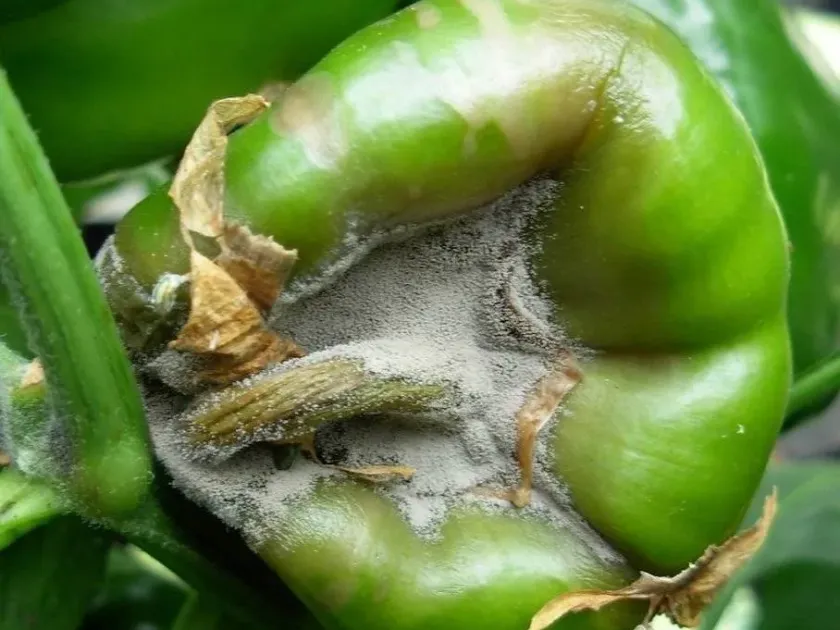
Description
Symptoms
The initial symptoms on fruits appear as small, sunken, circular lesions that are dark brown or gray in color. As the disease progresses, these lesions expand and merge, covering a large portion of the fruit surface.
In the center of the lesions, concentric rings often form, covered by a pinkish or orange mass of fungal spores, which become especially prominent under high humidity levels.
On leaves and stems, the infection manifests as dark necrotic spots. Severe infestations can lead to premature yellowing, leaf drop, and dieback of branches, significantly weakening the plant.
Infected fruits lose their market value rapidly. The tissues soften and decay, turning the fruit into a mushy, inedible mass that is highly susceptible to secondary bacterial rot.
Post-harvest symptoms are common; fruits that appeared healthy at harvest may develop extensive decay during storage and transportation due to the latent nature of the pathogen.
Pathogen
The causal agent of this disease is the fungus Colletotrichum baltimorense (often associated with the Colletotrichum gloeosporioides complex). It is an aggressive plant pathogen belonging to the Ascomycota phylum that primarily targets fruits, stems, and leaves.
The lifecycle of this pathogen involves the production of conidia within acervuli, which rupture the host epidermis. The fungus can survive for long periods in soil on crop debris and is frequently transmitted via infected seeds.
This fungus demonstrates high virulence and spreads rapidly under warm and humid conditions. Spores are easily disseminated by water splashing, wind, and agricultural tools used for crop maintenance.
Colletotrichum baltimorense has a wide host range within the Solanaceae family, including peppers, tomatoes, and eggplants. It can also survive on various weeds, creating a permanent reservoir for infection in fields.
The infection is often latent, meaning the fungus can colonize plant tissues without showing immediate symptoms. Visible signs typically appear only when fruits ripen or when the plant experiences physiological stress.
Conditions for development
The development of anthracnose is driven by high relative humidity (above 85–90%) and free moisture on plant surfaces, which is essential for spore germination and penetration.
The optimal temperature range for the fungus is between +22°C and +28°C. Frequent rainfall, irrigation splashing, and heavy dew periods significantly accelerate the infection rate.
Poor agricultural practices, such as high planting density, lack of proper ventilation in greenhouses, and excessive nitrogen fertilization, create a microclimate favorable for an outbreak.
Lack of proper airflow promotes condensation on leaves and fruit, which serves as a perfect environment for the growth of the fungal mycelium.
Human activity is a major factor in the dispersal of the pathogen, as spores are easily carried on workers' clothing, harvest crates, and pruning equipment from infected plants to healthy ones.
Why it matters
Anthracnose is one of the most destructive diseases of solanaceous crops, capable of causing yield losses ranging from 50% up to 80% under favorable conditions.
The primary economic impact is the total loss of marketability. Even minor lesions on fruit surfaces render peppers unacceptable for fresh market sale or industrial processing.
The disease drastically reduces shelf life. Infected fruits introduced into storage can rapidly spread the infection to healthy ones, leading to massive post-harvest spoilage.
The plant's overall productivity is severely compromised, leading to stunted growth, reduced fruit set, and lower overall quality of the remaining harvest.
Persistent presence of the fungus in the soil complicates long-term rotation strategies, necessitating extended intervals between host crops, which impacts farm profitability.
Protection
Disease management starts with the use of certified, disease-free seeds and effective seed treatment with fungicides to prevent the introduction of the pathogen.
- Implement a strict crop rotation cycle of at least 3–4 years avoiding solanaceous plants.
- Remove and destroy all crop residues after harvest to reduce inoculum levels.
- Maintain proper ventilation in greenhouses to manage humidity.
- Apply preventative fungicide treatments, focusing on copper-based products or systemic fungicides.
Upon detection of symptoms, immediate roguing (removal) of infected fruits and plant parts is crucial to minimize the spread of spores within the field.
Selecting resistant or tolerant hybrids is a key strategy for integrated pest management, effectively reducing the need for chemical intervention and enhancing yield stability.
Balancing nitrogen application and ensuring adequate potassium and phosphorus levels helps strengthen plant cell walls, making them more resistant to fungal penetration.
Discussion
No discussions yet — be the first.