
Colletotrichum alcornii
Colletotrichum alcornii
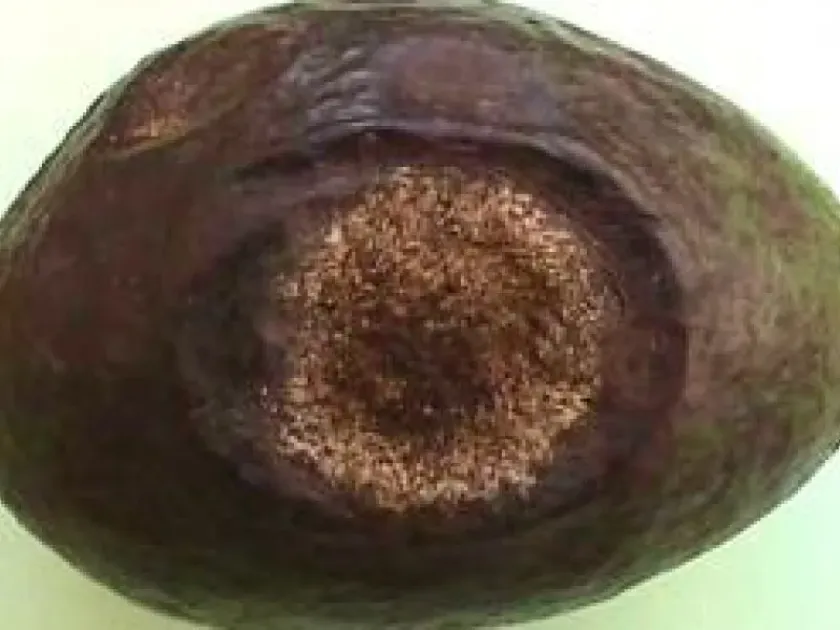
Description
Symptoms
The primary sign of infection is the development of irregular local spots that rapidly increase in size. As the fungus develops, dark, slightly raised cushion-like structures called acervuli appear on the surface of the lesions.
Tissues in the affected areas often turn brown or dark brown and are typically surrounded by a yellowish chlorotic halo. Leaf blades may deform and drop prematurely.
Under high humidity, a light or pinkish conidial mass becomes visible on the infected areas. This visual manifestation indicates an active phase of spore dispersal and infection spread.
Stem infections can cause deep lesions that impede normal sap flow. This frequently results in the wilting of the upper part of the plant located above the infection site.
Infected plants show a significant decrease in photosynthetic intensity, directly impacting the crop's overall vigor. Symptomatology may vary depending on the host variety's resistance and environmental stressors.
Pathogen
The disease is caused by the microscopic imperfect fungus Colletotrichum alcornii, belonging to the genus Colletotrichum. This pathogen is a specialized fungus, most frequently found on host plants within the Asteraceae family in natural environments.
The biology of the fungus includes the formation of acervuli—special fruiting bodies where conidia develop. These conidia serve as the primary source of initial infection for healthy plant tissues during the growing season.
The fungus can persist on crop residues, in the soil, or on seeds for extended periods. Its genetic structure provides high adaptability to various microclimatic conditions within the infection zone.
The mycelium of the pathogen penetrates the epidermis of the host plant, breaking down cell walls using secreted enzymes. This results in the gradual necrosis of infected tissues and the formation of characteristic lesions.
Identification of the species C. alcornii often requires molecular genetic analysis or detailed morphological examination of spores under a microscope, as many species within this genus are morphologically similar.
Conditions for development
The development of Colletotrichum alcornii is favored by high relative humidity, often exceeding 85-90%. The presence of free moisture (dew or rain) on leaf surfaces provides ideal conditions for conidial germination.
Optimal temperature ranges for active fungal growth are between +20°C and +28°C. Sharp temperature fluctuations and heavy night dews significantly accelerate the infection process.
Dense crop stands with poor air circulation and trapped humid air are high-risk zones. A lack of ventilation promotes rapid pathogen transmission from one plant to another.
Mechanical tissue damage caused by hail, insect pests, or agricultural practices facilitates the entry of the infection into the plant. Stressed or weakened plants are the most susceptible to the pathogen.
The presence of infected plant debris from the previous season in the soil creates a constant reservoir of inoculum. Failure to rotate crops is a critical factor driving the accumulation of spores in the agroecosystem.
Why it matters
The harmfulness of Colletotrichum alcornii lies in substantial yield losses and degradation of product quality. Infected fruits and seeds lose their market value and often become unsuitable for storage.
The fungus can trigger a systemic infection, leading to the premature death of the plant. This is particularly dangerous during early growth stages when young shoots are most vulnerable.
Contaminated seeds become a vector for spreading the disease to new fields. Using low-quality planting material results in thin, uneven stands and may necessitate reseeding.
The pathogen severely depletes the plant's energy reserves, diverting resources toward fighting the infection instead of developing reproductive organs. This leads to lighter fruit weight and lower nutritional content.
Economic losses include both direct crop reduction and the costs of implementing additional fungicide treatments. In unfavorable years, losses can reach 30-50% of the potential total yield.
Protection
The foundation of effective protection is the use of certified, disease-free planting material. Seed treatment with broad-spectrum fungicides helps eliminate superficial inoculum.
Adherence to agronomic best practices, including proper crop rotation and the removal of infected plant residues, reduces the risk of primary infection. Deep plowing facilitates the rapid decomposition of infected matter.
Applying fungicides at the first sign of disease is effective in curbing the pathogen's spread. It is recommended to use systemic active ingredients to protect young growth from infection.
Regular field monitoring allows for the early detection of infection hotspots. Prompt isolation or removal of affected plants can prevent mass epiphytotics.
- Optimizing planting density to improve canopy ventilation.
- Applying balanced fertilization to boost plant immunity.
- Timely pest management to prevent tissue damage.
- Utilizing crop varieties showing resistance to Colletotrichum species.
Discussion
No discussions yet — be the first.