
Colletotrichum aenigma
Colletotrichum aenigma
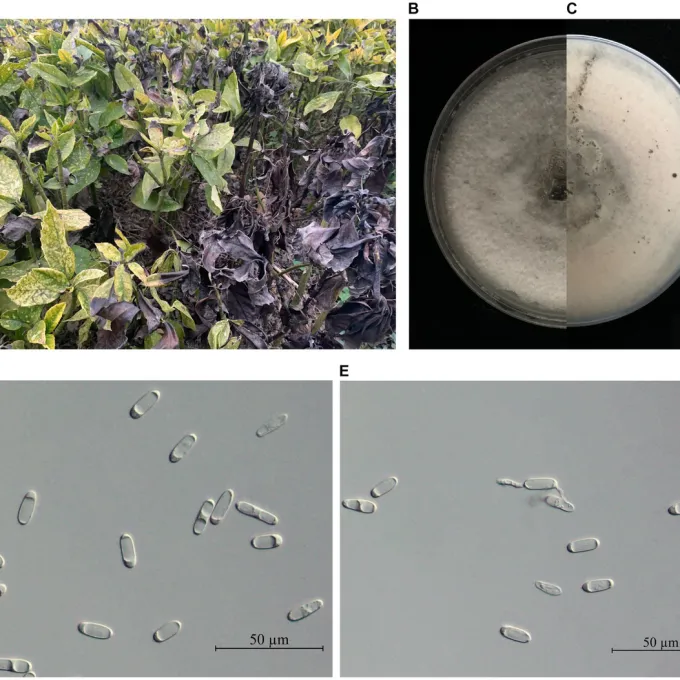
Description
Symptoms
The primary symptom is the appearance of small, water-soaked spots that progressively expand and turn dark brown or black, often with a defined, sometimes lighter-colored margin.
Under humid conditions, masses of spores, usually appearing as pinkish or orange gelatinous droplets or crusts, develop within the lesion areas, specifically in the acervuli.
Fruit infection typically leads to sunken, necrotic lesions (anthracnose spots). As the disease progresses, these lesions can expand and cover the entire fruit, leading to rapid decay.
Leaf infection manifests as yellowing, wilting, and premature drop. In severe cases, necrotic patches develop on stems and peduncles, which may result in dieback of affected plant parts.
In addition to surface lesions, the fungus can cause vascular discoloration, which weakens the plant's ability to transport nutrients and water efficiently.
Pathogen
Colletotrichum aenigma is a fungal pathogen belonging to the Colletotrichum gloeosporioides complex. It is a highly destructive ascomycete capable of infecting a wide variety of fruit, vegetable, and ornamental plants worldwide.
The fungus reproduces both asexually, through conidia formed in specialized structures called acervuli, and sexually. This dual reproductive cycle contributes to its high genetic diversity and rapid evolution.
It overwinters primarily as mycelium or dormant spores in infested plant debris, soil, or on perennial stems. Its ability to survive in diverse environmental conditions makes it a persistent challenge in agriculture.
Dissemination occurs through wind-blown or rain-splashed conidia, as well as via human activity, contaminated nursery stock, and insect vectors that transfer spores between plants.
The pathogen is known for its latent infection stage, where it can colonize healthy tissue without showing immediate symptoms until environmental conditions or plant growth stages trigger the disease.
Conditions for development
High relative humidity and frequent rainfall are the most critical factors for the activation of Colletotrichum aenigma. Optimal temperatures for spore germination and lesion development range from 20°C to 28°C.
Poor field management, including high planting density and inadequate pruning, facilitates the stagnation of moisture on plant surfaces, which is essential for successful infection.
Physical injuries to the skin of the fruit or leaf tissue, caused by insects, birds, or improper handling, significantly increase the rate of fungal penetration and colonization.
Nutritional imbalances, particularly excessive nitrogen fertilization, result in lush, succulent growth that is more susceptible to fungal invasion.
Even short periods of leaf wetness are sufficient for the pathogen to initiate its infection cycle, making frequent morning dew a risk factor in many production regions.
Why it matters
The main impact of Colletotrichum aenigma is the direct loss of yield due to fruit decay and premature fruit drop, significantly reducing the marketable volume of produce.
Post-harvest losses are severe, as latent infections often develop into visible rot during storage and transit, causing significant economic damage to growers and distributors.
Chronic infections weaken the overall health and vigor of perennial crops, reducing their longevity and their ability to withstand other environmental stresses or pathogens.
The disease reduces the photosynthetic area of the plant, which negatively affects sugar accumulation and the final quality, flavor, and shelf-life of the harvested products.
If left unmanaged, the pathogen can cause devastating epidemics in a short period, potentially destroying entire harvest seasons and requiring costly remedial measures.
Protection
The most effective strategy is a combination of cultural practices, such as removing and destroying all infected plant parts and cleaning up crop residues after harvest.
Improving canopy airflow through strategic pruning and proper plant spacing helps to lower humidity levels around the foliage, making the environment less favorable for the fungus.
Chemical control involves the application of registered fungicides, including protectants and systemic products. Rotation of chemical classes is necessary to prevent the development of resistant fungal strains.
Balanced plant nutrition, focusing on potassium and phosphorus, helps to strengthen the plant's physical defenses against infection.
Monitoring the field for early signs of disease and utilizing resistant cultivars whenever possible are key components of an integrated pest management program.
Discussion
No discussions yet — be the first.