
Coleroa
Coleroa
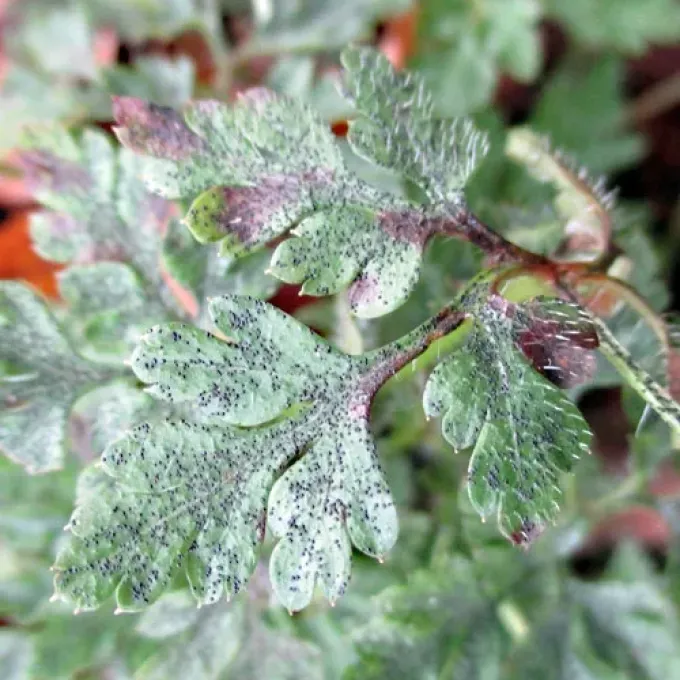
Description
Symptoms
The primary symptom is the appearance of small, dark or black spots on the leaves. These spots are often circular and may coalesce as the disease progresses.
On the underside of the leaf around these spots, dark, velvety formations often appear, which represent the fungal sporulation. Leaves eventually yellow and fall prematurely.
Tissue in the infected areas may thin out, and necroses can occur. Severe infestation causes significant leaf drop, which weakens the entire plant's health.
Stems and petioles may show minor symptoms, but detailed inspection reveals characteristic dark dots. This differentiates Coleroa from other types of leaf spots.
Visual diagnosis is most effective during periods of active sporulation, when black dots become clearly visible against the damaged leaf tissue.
Pathogen
The causative agent of the disease is a fungus of the genus Coleroa, belonging to the Ascomycota class. In agricultural practice, Coleroa circinans is the most common species affecting raspberries and other Rosaceae.
These microscopic fungi have a complex life cycle, including asexual spore production and the formation of pseudothecia. They can survive in infected plant debris for long periods.
The life cycle of the pathogen is closely related to seasonal temperature and humidity fluctuations. The mycelium penetrates the leaf epidermis, damaging the tissue structure.
A biological feature of this species is the formation of dark, almost black fruiting bodies visible to the naked eye on the leaf surface, allowing for easier identification.
Spore dissemination occurs primarily via wind, rain splashes, or insects. Under favorable conditions, the fungus quickly colonizes young tissues, preparing for wintering in fallen leaves.
Conditions for development
High air humidity, frequent rainfall, or heavy dew during the spring and summer periods are essential for spore germination and infection of plant tissues.
The optimal temperature for pathogen development ranges from +15 to +22 degrees Celsius. Cool, rainy weather promotes outbreaks of the infection.
Dense planting schemes with poor air circulation and lack of sunlight create the perfect microclimate for the fungus to spread rapidly.
Weakened plants, suffering from mineral deficiencies or pest damage, are much more susceptible to Coleroa infection compared to healthy, well-maintained crops.
Accumulation of inoculum is promoted by the presence of uncleaned plant debris under bushes, where the fungus overwinters and produces new spores in spring.
Why it matters
The primary harm is the premature loss of foliage, which disrupts the accumulation of nutrients required for winter hardiness and future fruit bud formation.
Reduced photosynthetic leaf area leads to lower berry quality, resulting in smaller, less flavorful fruits and reduced post-harvest shelf life.
Plants affected by severe Coleroa infection show decreased winter hardiness, making them more vulnerable to frost damage and shoot dieback.
Chronic infestation weakens the entire plantation, causing long-term decline in productivity and shortening the economic life of the berry field.
Economic losses include both immediate yield reduction and the increased costs associated with repeated fungicide applications to manage the disease.
Protection
The foundation of management is cultural practice: the removal and destruction of all fallen leaves and plant debris in autumn significantly reduces the infection source.
Maintaining optimal spacing, proper pruning, and thinning of bushes are crucial to ensure good airflow and minimize moisture stagnation within the canopy.
During the growing season, if symptoms appear, applications of copper-based fungicides or systemic fungicides are recommended to control the spread of the disease.
Preventive sprays should be conducted in spring before flowering and after harvest to suppress the pathogen before it colonizes new growth.
Selecting resistant cultivars and providing balanced nutrition are the most sustainable strategies to improve plant immunity and reduce the need for chemical interventions.
Discussion
No discussions yet — be the first.