
Aster rust
Coleosporium asterum
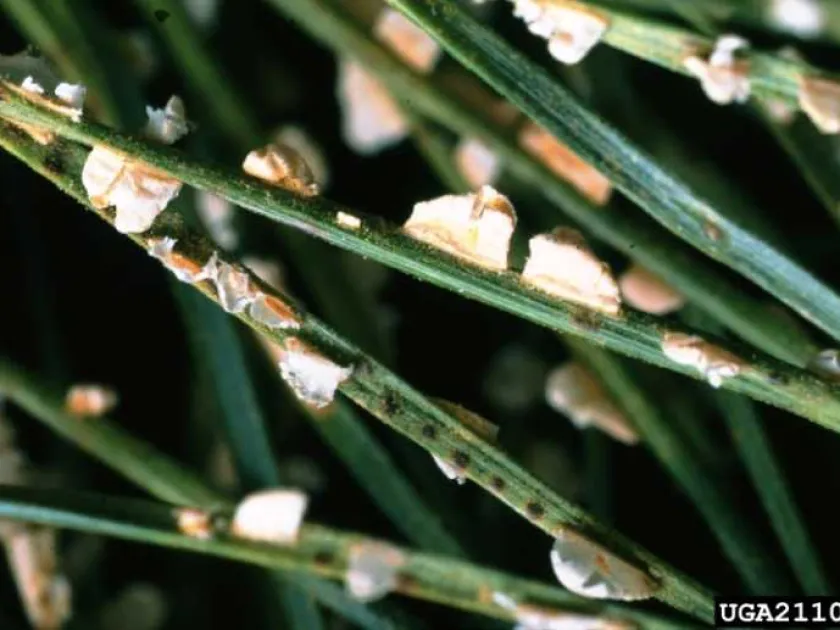
Description
Symptoms
Initial symptoms are characterized by small, chlorotic yellow spots appearing on the upper surface of the leaves, indicating the start of the infection.
The most distinctive sign is the appearance of bright orange or rusty-colored pustules on the undersides of leaves, which are massed fungal spore structures.
As the infection progresses, leaves may yellow, wither, and drop prematurely, which disrupts the plant's overall vitality and growth trajectory.
Stems can also be affected, showing discolored or deformed areas that compromise the structural integrity of the entire plant.
Visual identification is straightforward due to the dusty, rust-colored powder that rubs off when the infected leaf undersides are touched.
Pathogen
Aster rust is caused by the basidiomycete fungus Coleosporium asterum, an obligate parasite that specifically infects various species within the Asteraceae family.
The fungus is heterocious, meaning it requires alternate hosts, often pine trees, to complete its complex life cycle involving several spore stages.
The spread of the disease is largely driven by wind-borne urediniospores, which can rapidly colonize new plants across gardens and fields.
The pathogen can survive the winter as mycelium within the tissues of perennial plants or as dormant spores on debris left on the ground.
Biological monitoring shows that Coleosporium asterum is highly adaptive to various moisture and temperature profiles, making it a persistent challenge.
Conditions for development
High humidity and prolonged leaf wetness, often caused by frequent rains or heavy morning dew, are essential for the germination of fungal spores.
Temperatures ranging between 15°C and 22°C provide the ideal environment for the rapid colonization and spread of the rust fungus.
Poor air circulation within dense plantings significantly increases the duration of leaf wetness, thereby promoting the rapid development of rust outbreaks.
Overhead watering practices are detrimental as they wash spores onto healthy foliage and maintain the moisture required for fungal invasion.
Plants that are physiologically stressed due to poor soil conditions or nutrient imbalances show significantly higher susceptibility to the pathogen.
Why it matters
The primary impact of aster rust is the significant reduction in photosynthetic capacity, as infected leaves turn necrotic and die.
Stunted growth and poor bloom quality are common consequences, often resulting in small, deformed flowers that fail to reach their full potential.
The severe reduction in foliage density makes the plants unsightly and reduces their ornamental value in any landscape design.
In cases of heavy infestation, the entire plant may collapse, especially if the fungus compromises the internal stem vascular systems.
Increased vulnerability to other secondary pathogens often follows a rust outbreak, further weakening the plant's ability to survive the season.
Protection
Sanitation is the most critical first step, which involves removing and destroying all infected plant matter at the end of the growing season.
Strategic spacing between plants is highly recommended to improve air circulation and ensure foliage dries quickly after periods of rain.
Application of preventative or curative fungicides, particularly those containing sulfur or systemic active ingredients, can stop the spread of infection.
Switching from overhead irrigation to drip irrigation is an effective cultural practice to keep the foliage dry and reduce spore germination.
- Regularly monitor foliage and prune infected leaves early.
- Use balanced fertilizers to promote healthy, vigorous plant growth.
- Select resistant cultivars whenever they are available in your region.
Discussion
No discussions yet — be the first.