
Coleosporium needle rust
Coleosporiaceae
Description
Symptoms
The most distinctive symptom of Coleosporium rust on pines is the appearance of numerous bright orange or yellow aecial pustules on the needles. These often occur in rows and cause the needles to look distorted and discolored.
Infected needles become chlorotic and yellow before dropping prematurely. This loss of foliage leads to a thinning canopy, which is particularly noticeable on young, fast-growing trees or seedlings.
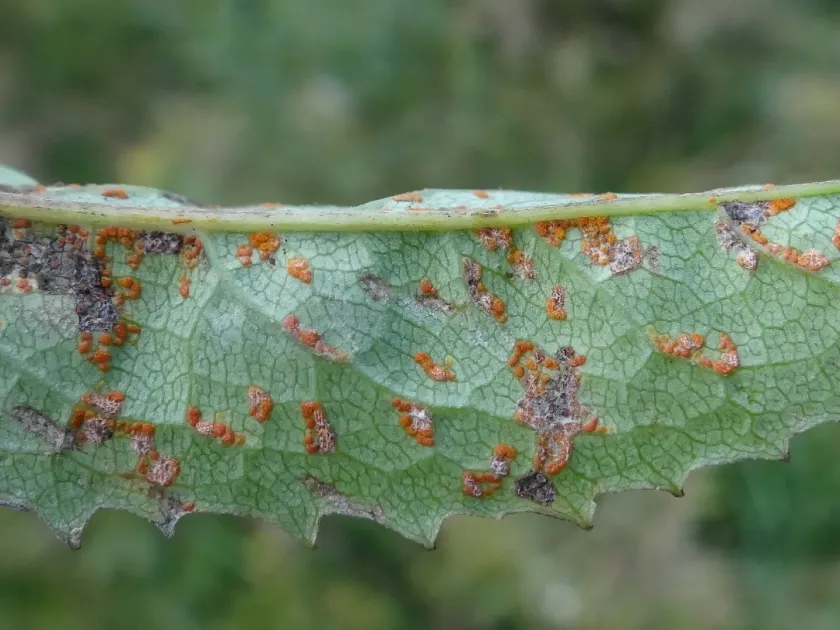
On alternate hosts, symptoms manifest as rusty-colored spots or pustules on the underside of the leaves. While often ignored, these patches are the primary source of the fungus during the summer season.
Severely infected seedlings may experience stunted growth, twisted shoots, and an overall lack of vigor. In cases of intense infestation, the ornamental or timber value of the tree is significantly compromised.
Early diagnosis is crucial, as the orange pustules appear rapidly once conditions become favorable. Distinguishing this rust from other needle blights is important for selecting the correct management approach.
Pathogen
The disease is caused by rust fungi of the genus Coleosporium, belonging to the family Coleosporiaceae. These are highly specialized obligate parasites that require an alternate host to complete their biological cycle.
The primary host is usually pine trees (Pinus spp.), where the fungus overwinters as mycelium within the needles. Alternate hosts consist of various herbaceous plants, such as Senecio (groundsel), Campanula (bellflowers), and Tussilago (coltsfoot).
In spring, bright orange or yellow aeciospores form on the needles. These spores are wind-dispersed over long distances to infect the leaves of alternate hosts, continuing the infection cycle.
On herbaceous hosts, urediniospores are produced throughout the summer, allowing for rapid secondary spread. By autumn, teliospores form, which eventually produce basidiospores that re-infect the new shoots of pine trees.
The pathogen's life cycle is remarkably efficient, allowing it to adapt to diverse climatic conditions. Its ability to alternate between two different plant types makes managing this disease complex for foresters and growers.
Conditions for development
Coleosporium development is favored by high humidity and moderate temperatures. Dew, fog, and frequent rainfall provide the essential moisture needed for spore germination and infection.
Dense plantations where air circulation is restricted provide a perfect microclimate for the fungus to spread. The lack of ventilation keeps the needles damp, increasing the risk of severe infection outbreaks.
The presence of herbaceous alternate hosts in or near the pine plantation is the most significant factor in disease pressure. If groundsel or other host plants are abundant, the risk of a rust epidemic is very high.
Stress factors such as drought, nutrient deficiency, or poor soil drainage can weaken trees and increase their susceptibility to infection. A healthy, vigorous tree is better equipped to withstand the fungal attack.
In nurseries, strict spacing requirements and hygiene protocols are essential to prevent the spread of spores. Crowded conditions facilitate a rapid build-up of the pathogen, which can devastate an entire batch of seedlings.
Why it matters
The main impact of the disease is the premature shedding of needles, which reduces the tree's photosynthetic capacity. This loss forces the tree to redirect energy reserves, leading to reduced growth rates.
For young pine plantations, the disease can cause significant mortality, resulting in direct financial loss. The degraded quality of seedlings often makes them unsuitable for sale or reforestation projects.
Infected trees are more susceptible to secondary invaders, including bark beetles and other pests that target weakened host plants. This often leads to a spiral of health decline that can kill the tree.
The loss of foliage destroys the ornamental appeal of conifers. For landscape designers and park management, this disease renders affected trees unsightly and unattractive, requiring expensive corrective treatments.
Chronic infestation over several years leads to the deformation of the canopy and stems. This impact significantly reduces the long-term timber quality and the overall commercial value of the forest stand.
Protection
The most effective strategy is the eradication of alternate hosts within and around the plantation. Removing weeds like groundsel and bellflowers helps break the pathogen's life cycle.
Fungicide applications, particularly those containing copper, are effective when applied preventively during the spring. Proper timing of the treatment is critical to protect new needle growth before infection occurs.
Sanitation practices, including the pruning and destruction of heavily infected branches, should be performed in the autumn. This reduces the inoculum load for the following growing season.
Improving site drainage and ensuring proper spacing between plants helps maintain lower humidity levels. This creates an environment that is less conducive to fungal spore germination.
- Monitoring for early signs of orange pustules;
- Maintaining optimal tree health through balanced nutrition;
- Using certified, rust-free nursery stock;
- Managing weeds to eliminate alternate host reservoirs.
Discussion
No discussions yet — be the first.