
Coccinonectria
Coccinonectria
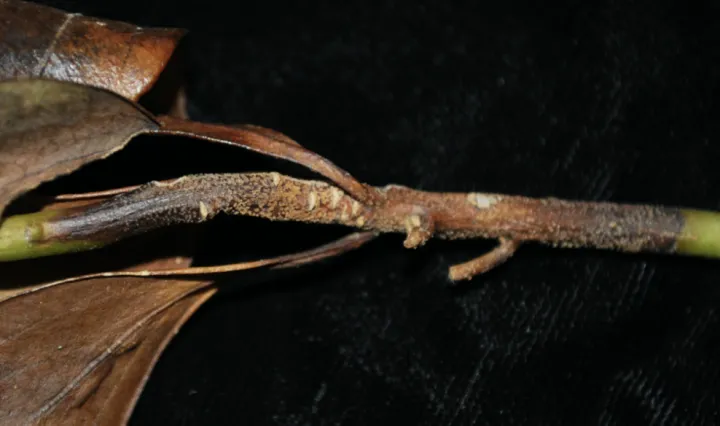
Description
Symptoms
The primary symptom is the emergence of small, often colorful perithecia (fruiting bodies) on the surface of the bark. These are typically the most reliable sign of a Coccinonectria infection.
Affected bark may show signs of discoloration, cracking, and eventual necrosis. In some cases, localized gummosis (oozing of sap) occurs as the plant attempts to seal off the damaged area.
Foliage on infected branches often exhibits yellowing, wilting, or premature shedding. This decline occurs because the vascular transport system is compromised by the fungal growth within the branch.
Deep lesions or cankers can develop on trunks and main branches, leading to structural instability and providing entry points for wood-boring insects and other secondary pathogens.
In advanced stages, entire branches or sections of the plant may die back, leading to a significant loss of canopy and potentially the death of the entire plant if left untreated.
Pathogen
The disease is caused by fungi of the genus Coccinonectria, which belong to the class of Ascomycota. These pathogens often act as opportunistic parasites, targeting trees and shrubs that have compromised defense systems.
Biologically, the fungus invades the cambium and xylem tissues, where it establishes its mycelium. It relies on the host's weakened physiological state to penetrate deeper into the vascular structures of the plant.
The reproductive cycle of Coccinonectria involves the production of numerous spores dispersed by wind, rain splashes, and insects. This efficient propagation strategy allows the fungus to spread rapidly across an orchard.
As an ascomycete, the pathogen can survive for extended periods in dormant forms within dead bark or plant debris, waiting for environmental conditions to become suitable for active colonization.
The interaction between the host and the pathogen often leads to necrotrophic processes, where the fungus kills plant tissue ahead of its growth, causing characteristic bark damage and lesion development.
Conditions for development
High humidity and moisture are the most critical factors for the development of Coccinonectria. Persistent rain and fog provide the necessary hydration for spore germination on the bark surface.
Optimal temperatures for fungal growth generally fall within the moderate range. In such conditions, the mycelium can colonize new tissues more aggressively, speeding up the disease progression.
Poor orchard hygiene and overcrowded planting schemes exacerbate the situation by limiting air circulation. This results in the microclimatic accumulation of moisture, favoring the fungal pathogen.
Physical injuries, such as pruning wounds, frost cracks, or sunscald, serve as entry points. Healthy bark is a natural barrier; damage to this protective layer is almost always a prerequisite for infection.
Host susceptibility is significantly increased when plants are nutrient-deficient or stressed by other pests. A robust plant with proper mineral nutrition is far more resistant to successful fungal colonization.
Why it matters
The economic impact of the disease is substantial due to the decline in both yield quantity and fruit quality. Infected plants lose their ability to sustain proper growth and fruit production cycles.
Severe infestations lead to the progressive dieback of branches, which shortens the lifespan of the tree. This often requires early removal and replacement of infected plants in commercial settings.
Infected trees show reduced cold hardiness, making them more prone to winter injury. The damage to the bark and internal tissues reduces the plant's capacity to tolerate sub-zero temperatures.
The disease creates a persistent source of inoculum in the garden, posing a continuous threat to healthy neighbors. This necessitates rigorous quarantine measures to prevent regional spread.
Financial losses occur not only through lost productivity but also through the high labor and chemical costs required to manage the infection once it has become established in an orchard.
Protection
Sanitary pruning is the most effective management strategy. By removing and destroying infected material, growers can drastically reduce the amount of inoculum present in the environment.
- Use of copper-based fungicides for early spring treatment.
- Regular inspection of bark for signs of perithecia.
- Disinfection of pruning tools after contact with infected trees.
- Promotion of tree health through balanced fertilization.
- Protection against mechanical wounds and environmental damage.
Systemic fungicides should be integrated into the protection program to manage the pathogen. Rotational use of chemicals is recommended to avoid the development of resistant fungal strains.
Integrated pest management, including control of sap-sucking insects, is crucial. Insects often act as vectors for fungal spores, making their management essential for disease suppression.
Effective prevention is the cornerstone of managing Coccinonectria. By focusing on maintaining high plant vigor and minimizing physical damage, growers can avoid the need for intensive chemical interventions.
Discussion
No discussions yet — be the first.