
Clavispora lusitaniae
Clavispora lusitaniae
Description
Symptoms
The primary symptom of infection is the development of soft rot, which gradually softens the tissue of the fruit or vegetable. A characteristic white or creamy-colored film often appears on the surface, composed of a dense mass of yeast cells.
In crops like tomatoes, affected areas manifest as localized sunken spots that expand rapidly. Unlike deep-seated bacterial rots, the texture of the rot caused by this fungus can vary from moist to slightly mushy depending on the ambient humidity levels.
A distinctive fermented or sour odor is commonly associated with active infection. This is the direct result of the yeast's metabolic activity, which breaks down plant sugars into ethanol and other volatile organic compounds during the decomposition process.
Early-stage infections may appear subtle, often showing only a slight dulling or discoloration of the epidermis. As the infection progresses, the affected zone typically turns a darker, brownish hue due to enzymatic oxidation.
Under high-humidity conditions, the fungal colonies become much more prominent, rapidly spreading across the fruit surface. This quick colonization can lead to the total collapse of the internal structure of the affected product within a few days.
Pathogen
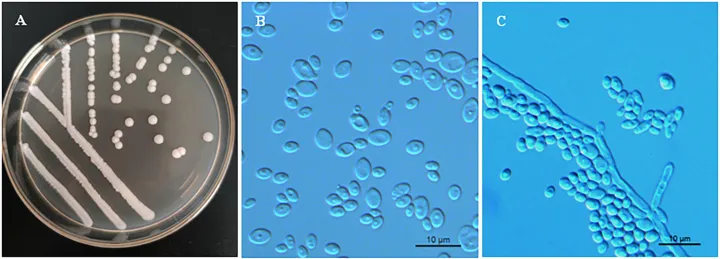
Clavispora lusitaniae is a yeast-like ascomycete fungus that represents the teleomorphic stage of the pathogen Candida lusitaniae. Within agricultural pathology, this organism is considered an opportunistic pathogen capable of infecting various plant tissues.
Biologically, the fungus is characterized by rapid budding and the formation of ascospores under environmental stress. This reproductive strategy allows it to persist in the soil and on plant debris for extended periods, waiting for opportunities to invade a host.
While frequently studied in medical mycology, its agricultural significance lies in its role as a cause of rot in fruits and vegetables. It utilizes natural openings, cracks, or mechanical wounds to penetrate plant surfaces and begin colonization.
Clavispora lusitaniae often acts as a secondary invader, colonizing plant tissues already weakened by other infections or environmental stress. However, in favorable conditions, it acts as a primary pathogen, capable of causing extensive decay.
Accurate identification of this pathogen usually requires laboratory analysis, such as culture isolation or molecular diagnostic methods, as its physical appearance can overlap with other yeast-like fungi commonly found in decaying organic matter.
Conditions for development
The development of Clavispora lusitaniae is heavily dependent on moisture levels. The pathogen thrives in high-humidity environments, with relative humidity exceeding 85% being optimal for rapid mycelial and yeast growth.
Poor ventilation in greenhouses and storage facilities significantly increases the risk of infection. Stagnant air allows moisture to accumulate on plant surfaces, creating the ideal microclimate for the fungus to multiply and spread.
Any breach in the plant's natural defenses, such as mechanical damage from insects, hail, or improper harvesting techniques, provides an entry point for the fungus. These wounds allow the yeast cells to penetrate deep into the succulent tissues.
Agricultural mismanagement, including excessive watering and failure to clear crop debris, can lead to the buildup of fungal spores in the soil. Proper crop rotation and field hygiene are critical to reducing the primary inoculum source.
Temperature also plays a role in the infection cycle. While the pathogen is most active in moderate temperatures, it remains capable of significant growth even in refrigerated storage conditions if moisture control is not maintained.
Why it matters
The most significant economic harm caused by Clavispora lusitaniae is the spoilage of produce during storage and transport. Affected fruits become unmarketable and are often rendered completely unusable for food processing.
The latent nature of the infection is a major problem, as produce may appear healthy at the time of harvest but begin to rot shortly after entering storage. This makes effective culling before transport difficult to achieve.
Large-scale field infections can result in reduced crop yields and quality degradation. In some cases, the fungus may infect the crown or root collar of young plants, potentially leading to plant death and thin stands.
The fungus promotes synergistic effects with other opportunistic pathogens. By breaking down plant cell walls, it prepares the environment for secondary bacterial and mold colonization, which accelerates the decomposition process.
The rapid spread of the pathogen in humid conditions means that a single infected unit can lead to the loss of entire crates or storage bins within a very short timeframe, posing a serious threat to inventory management.
Protection
The primary defense against this pathogen is strict adherence to sanitary protocols. Regularly disinfecting storage bins, tools, and greenhouse surfaces is essential to keep the inoculum density at a minimum.
Irrigation management is crucial; growers should avoid overhead watering that keeps plant surfaces wet for long periods. Drip irrigation is a much safer alternative that keeps foliage and fruits dry.
Minimizing mechanical damage during harvest and post-harvest handling is vital. Protecting the integrity of the fruit's skin effectively blocks the pathogen from accessing the nutrient-rich tissues inside.
Applying fungicides during the growing season may be necessary in high-risk environments. Growers should choose products that are verified to be effective against fungal and yeast-like pathogens to protect the crop.
Maintaining proper airflow in storage facilities, promptly removing any showing signs of rot, and implementing crop rotation are all fundamental practices that mitigate the risk and impact of Clavispora lusitaniae infections.
Discussion
No discussions yet — be the first.