
Ergot of millet
Claviceps fusiformis
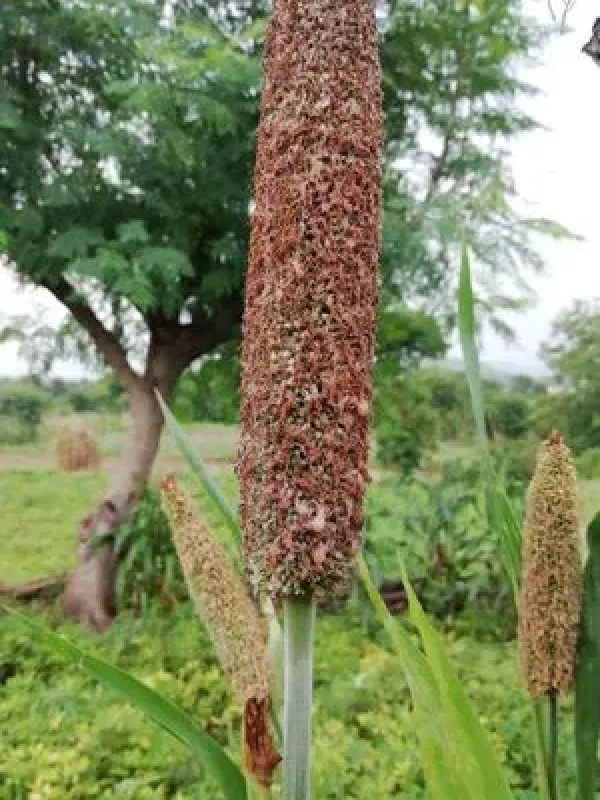
Description
Symptoms
The most distinctive early symptom is the appearance of 'honeydew' — a sticky, sugary liquid exuded from the florets of the millet head.
As the disease progresses, the honeydew is replaced by the development of prominent, elongated, dark-colored sclerotia that protrude from the glumes.
Affected millet heads often appear shriveled or deformed, and the yield of healthy grain in the same head is significantly reduced.
Fields with severe infection may show a characteristic shiny appearance due to the extensive production of fungal exudates on the heads.
Visual inspection during the flowering and grain-filling stages is key to identifying infected patches within the crop stand.
Pathogen
The disease is caused by the ascomycete fungus Claviceps fusiformis, which is a specialized parasite affecting various millet species.
The fungus produces sclerotia (ergots), which are hard, dark-colored resting bodies that replace the seeds within the millet head.
The infection cycle begins with the germination of overwintered sclerotia, which produce ascospores during the flowering stage of the host plant.
Insects and wind play a crucial role in the dissemination of spores from the ground to the stigmas of the millet flowers.
Secondary spread occurs through conidia, which are produced in a sticky exudate and disseminated by rain splashes or insect activity during the growing season.
Conditions for development
The development of ergot is heavily favored by cool and wet weather conditions, particularly when high humidity coincides with the flowering stage of the millet.
Persistent rainfall promotes the germination of sclerotia in the soil and facilitates the splash dispersal of conidia onto the florets.
Staggered or prolonged flowering periods increase the susceptibility window, allowing more florets to become infected over time.
The presence of wild grass relatives around the fields provides an alternative reservoir for the fungus, perpetuating the disease cycle.
Factors that restrict pollination or increase the duration of the stigma's exposure can exacerbate the severity of the infection.
Why it matters
The primary economic impact is a direct loss in grain yield, as the seeds are replaced by sclerotia which have no nutritional value.
Contamination of the grain with sclerotia makes the harvest unsuitable for human and animal consumption due to the presence of toxic alkaloids.
Toxicological risks associated with ergot alkaloids can lead to severe health issues in livestock if contaminated feed is consumed.
The disease affects the overall grain quality and purity, complicating harvesting and post-harvest cleaning processes.
Infected seeds act as a long-term source of inoculum, making it difficult to maintain disease-free fields in subsequent years without proper crop management.
Protection
Sowing certified, ergot-free seeds is the most fundamental step in preventing the introduction of the pathogen into new farming areas.
Implementing a strict crop rotation system helps to reduce the survival of sclerotia in the soil, as they lose viability over time.
Deep plowing of infested fields is effective in burying sclerotia, preventing them from germinating and reaching the soil surface.
Controlling grass weeds in and around the millet fields eliminates secondary hosts that can harbor the fungus during the off-season.
Adjusting planting times to avoid synchronization of flowering with periods of high rainfall can significantly reduce the risk of infection.
Discussion
No discussions yet — be the first.