
Clavaria fumosa
Clavaria fumosa
Description
Symptoms
Symptoms of infection are frequently observed as sudden wilting of the plant, often starting from the lower foliage. The plant loses its turgor pressure despite adequate soil moisture, indicating damage to the water-conducting tissues.
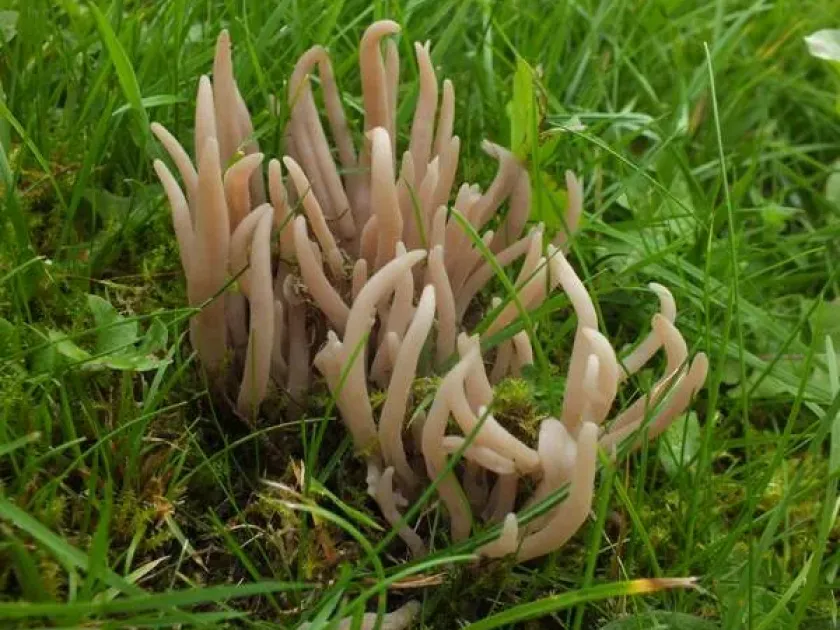
A distinctive diagnostic sign is the presence of smoky-grey fungal fruit bodies clustered directly at the base of the stem. This specific morphology is a clear indicator of Clavaria fumosa presence and distinguishes it from common root rots.
The root system shows clear signs of necrosis and structural decay. Affected roots may darken and become soft, eventually losing their ability to absorb nutrients and water, which results in stunted plant growth and overall decline.
In humid conditions, the base of the stem may develop a soft, mushy texture accompanied by a faint, musty odor. This localized rotting can quickly weaken the stem, making the plant brittle and susceptible to lodging.
- Wilting of lower leaves during the day.
- Smoky-grey fruit bodies at the stem base.
- Necrosis and darkening of root tissues.
- Stunted growth and poor development.
- Softening of the stem and crown tissues.
Pathogen
The fungus Clavaria fumosa, typically known as a saprotrophic organism, can occasionally act as a pathogen under specific agricultural conditions. It belongs to the Basidiomycota phylum and is characterized by the development of clustered, smoky-grey, club-shaped fruit bodies.
The pathogen persists in the soil and on plant debris, utilizing organic matter as a primary energy source. When environmental conditions favor high humidity, the fungus can shift its activity to colonize the root systems and crowns of weakened plants.
Infection primarily occurs when the mycelium or spores come into contact with wounded or compromised root tissues. This allows the fungus to gain entry and begin the process of internal tissue degradation, leading to a breakdown of the host plant's vital functions.
As a soil-borne pathogen, Clavaria fumosa is highly resilient. Its ability to survive in various soil types and organic environments makes it a persistent threat that can affect multiple crop cycles if proper soil management is not implemented.
Understanding the biological cycle of this fungus is essential for effective disease management. Laboratory diagnosis remains the gold standard for identification, distinguishing it from other soil fungi that occupy similar ecological niches but differ in pathogenicity.
Conditions for development
High moisture levels are the primary driver of Clavaria fumosa development. Excessive irrigation, poor soil drainage, or prolonged rainfall create a microenvironment that is conducive to the germination and spread of fungal spores.
The fungus thrives within a temperature range of 15–22 degrees Celsius. During this period, the mycelium spreads rapidly through the soil, particularly in compacted areas where air circulation is restricted and moisture remains trapped.
Poor soil structure and a lack of aeration contribute significantly to the pathogen's ability to infect. Compacted soil prevents the necessary oxygen exchange, which weakens plant roots and provides an advantage to the invading fungus.
Dense planting patterns reduce airflow around the base of the plants, creating a humid microclimate that persists long after the surface has dried. This environment is ideal for the rapid multiplication of the pathogen.
Plants subjected to environmental stress or nutritional deficiencies are notably more susceptible. A compromised immune system makes it easier for Clavaria fumosa to penetrate root tissues and initiate systemic infection.
Why it matters
The primary harm caused by Clavaria fumosa is the reduction of crop yields. Plants that survive infection often exhibit decreased vigor and poor quality of harvested products, making them unsuitable for market.
Widespread infection leads to gaps in the field, which not only decreases the total harvest but also creates opportunities for weed encroachment and complicates mechanized field management.
In greenhouse settings, the impact is severe. The confined environment allows for rapid spread, often necessitating the complete removal of infected plants and expensive sterilization of the growing medium.
Economic damage includes the cost of fungicides, soil disinfection, and labor for replacing damaged crops. Additionally, there is a risk of long-term soil infestation, which restricts the future use of the land for sensitive crops.
The loss of plant health also impacts the overall nutrient uptake efficiency. This results in produce that may lack proper nutritional value and have a shortened shelf life, further exacerbating financial losses for growers.
Protection
Integrated pest management (IPM) is essential for controlling this pathogen. Implementing strict crop rotation schedules prevents the long-term buildup of the fungus in the soil and breaks its life cycle.
Improving soil drainage and aeration is a crucial preventative measure. Avoid over-irrigation and ensure that the soil surface has sufficient drying time, as this directly inhibits the growth of the fungal mycelium.
Chemical control involving systemic fungicides applied to the root zone can be effective in localized outbreaks. However, these must be used according to regulatory guidelines and specifically labeled for the affected crop.
Biological control agents, such as beneficial Trichoderma species, can be used to colonize the root zone. These beneficial fungi act as natural antagonists, suppressing the development and spread of Clavaria fumosa.
Cultural practices such as removing and destroying infected plant material, including the root ball, are vital to reducing the primary inoculum source for the next growing season. Maintaining healthy, well-nourished plants remains the best defense.
Discussion
No discussions yet — be the first.