
Acorn cup fungus
Ciboria batschiana
Description
Symptoms
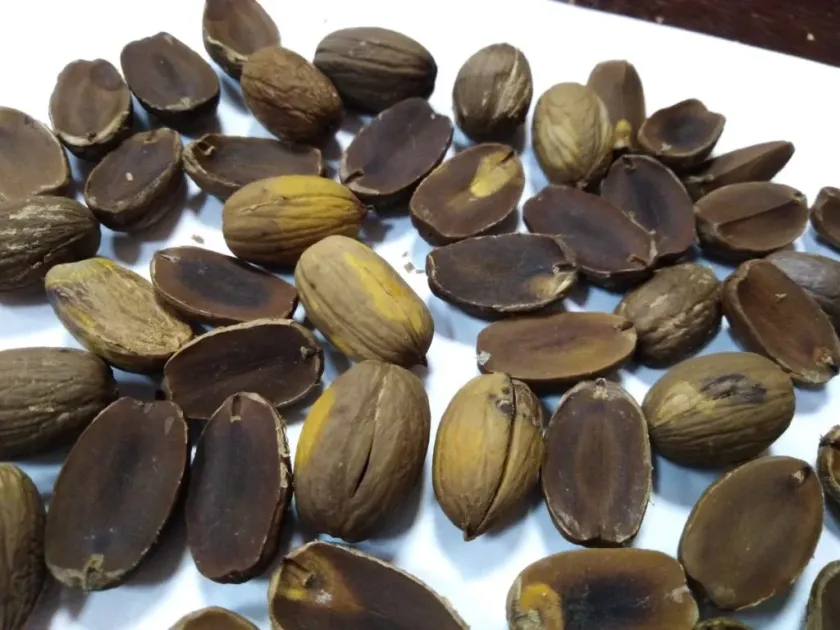
Infected acorns typically show signs of decay during maturation or storage, often characterized by a distinct darkening of the pericarp.
The external surface of the acorn may become covered in a greyish, felty mycelial mat that indicates advanced stages of internal colonization.
Inside the acorn, the healthy tissue breaks down and is replaced by a dark, powdery, or solid mass of fungal material and black sclerotia.
Premature falling of acorns is a significant field symptom, often observed when the infection rate within the crown is high.
In some cases, the damage is internal and invisible from the outside, which leads to massive losses during the storage process if the batch is not inspected.
Pathogen
The disease is caused by the ascomycete fungus Ciboria batschiana (formerly classified as Sclerotinia batschiana), which specifically targets the seeds of oak species.
The fungus completes its life cycle by forming small, cup-shaped apothecia on old, mummified acorns remaining in the leaf litter after winter.
These fruiting bodies release ascospores into the air, which are carried by wind to newly forming acorns while they are still developing in the tree canopy.
Once settled, the fungus infects the seed and begins to develop internally, forming mycelium that consumes the nutrients intended for the embryo.
The pathogen utilizes sclerotia—hard, black resting structures—to survive harsh environmental conditions and remain viable in the soil for several years.
Conditions for development
High humidity and consistent rainfall throughout the growing season are the primary drivers for the spread and infection rate of the acorn cup fungus.
Temperatures ranging between 15°C and 22°C are ideal for the rapid germination of spores and the subsequent development of the fungus within the host.
Dense forest stands with limited airflow create a microclimate that traps humidity and promotes the survival of the pathogen.
In nurseries and storage facilities, poor ventilation and high moisture levels act as immediate catalysts for the disease to spread between acorns.
The presence of previous years' infected debris in the soil provides a constant source of inoculum for new cycles of infection in the spring.
Why it matters
The acorn cup fungus is a major threat to forest regeneration, as it can destroy the vast majority of an acorn harvest in infected areas.
Extensive losses impact the availability of high-quality seeds for replanting, thereby hindering essential reforestation efforts for oak-dominated ecosystems.
Economic losses are compounded by the high costs of seed collection and the subsequent discarding of massive volumes of non-viable, infected material.
Even acorns that appear intact may have lower germination rates or produce weak seedlings, negatively affecting the density and health of new forest generations.
The persistence of the fungus in the soil ensures that the disease remains a long-term problem for forest managers working in affected zones.
Protection
Integrated management begins with the sanitary collection of acorns, ensuring that only healthy-looking, mature seeds are selected for storage.
Thermal treatment is a recommended procedure: submerging acorns in warm water (approx. 40–45°C) for several hours can kill the mycelium without harming the embryo.
Proper storage is critical; seeds must be kept in well-ventilated conditions at low temperatures to prevent the growth of the fungus in post-harvest batches.
Cleaning the forest floor of diseased debris from previous seasons is an effective preventive measure to break the life cycle of the pathogen.
Regular inspection and prompt removal of rotting seeds from storage are essential to prevent the cross-contamination of entire healthy lots.
Discussion
No discussions yet — be the first.