
Chionosphaera
Chionosphaera apobasidialis
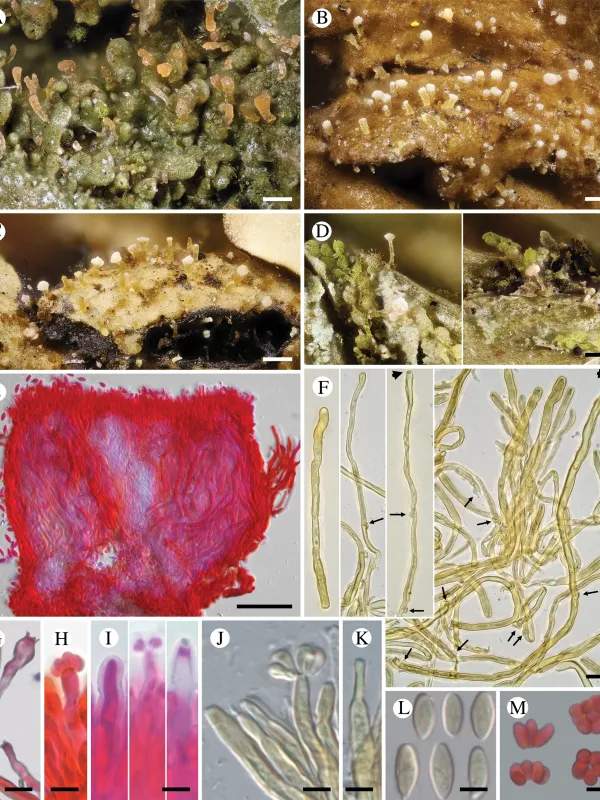
Description
Symptoms
A primary indicator of infestation is the emergence of white or grayish powdery coatings on the surface of the tree bark or affected branches.
In areas where the fungus is active, the plant tissue often becomes soft, discolored, and shows signs of localized decay or necrosis.
The growth of the fungal colony may restrict proper gas exchange for the plant, leading to stunted development in the affected regions.
Visible mycelial mats can appear as delicate, web-like structures that grip the bark surface and spread when humidity levels are high.
- White or light-colored fungal bloom on bark
- Softened and necrotic tissue patches
- Premature wilting of twigs or small branches
- Presence of irregular dark staining under the fungus
Pathogen
The causative agent of the disease is the microscopic fungus Chionosphaera apobasidialis, which belongs to the basidiomycete group and primarily affects woody plants.
This pathogen acts as a specialized organism, often found colonizing tissues that are either dead or significantly weakened by external stressors.
Biologically, the fungus is known for its ability to form unique spore-bearing structures that facilitate rapid dispersal under specific environmental conditions.
The mycelium of the fungus penetrates the bark and inner wood layers, utilizing enzymatic processes to break down plant cell walls for nutrient uptake.
It is classified as a pathogen that can thrive in various damp habitats, spreading through airborne spores that land on suitable host surfaces.
Conditions for development
High relative humidity and persistent wet weather are the most critical factors driving the development and spread of Chionosphaera apobasidialis.
The fungus thrives within a moderate temperature range, making spring and autumn months with frequent rainfall highly conducive to infection outbreaks.
Poor aeration in dense forest stands or overcrowded garden plantings prevents the drying of bark, creating a perfect microclimate for fungal spores to germinate.
Mechanical injuries, such as frost cracks or wounds from pruning, provide vulnerable entry points for the pathogen to establish itself within the host.
Accumulated debris, such as leaf litter and fallen wood around the base of the trees, acts as a reservoir that supports the fungus during dormant periods.
Why it matters
The main impact of the fungus is the degradation of the plant's protective exterior, which leads to the eventual death of branches and reduced overall vigor.
By interfering with the plant's structural integrity, the infection makes the host more susceptible to secondary attacks by wood-boring insects and other pathogens.
The disease reduces the ornamental and commercial value of timber, causing significant economic losses in plantations and managed landscapes.
Continued colonization by the fungus limits the tree's ability to transport water and nutrients, resulting in growth retardation or total mortality in young plants.
In forest pathology, severe outbreaks can alter the health status of local tree populations, leading to localized dieback events.
Protection
Sanitation is the most effective management approach; all infected branches and debris must be removed and destroyed to minimize inoculum levels.
When pruning, tools should be disinfected between cuts to prevent spreading spores from infected areas to healthy parts of the plant.
Applying copper-based fungicides or other appropriate systemic treatments to wounds can help protect the plant from new fungal colonization.
Improving air circulation through canopy thinning and proper spacing ensures that bark stays dry, significantly reducing the success rate of spore germination.
Maintaining high plant health through balanced fertilization and correct irrigation helps the host develop a stronger natural defense against fungal invaders.
Discussion
No discussions yet — be the first.