
Cheilymenia theleboloides
Cheilymenia theleboloides
Description
Pathogen
Cheilymenia theleboloides is an ascomycete fungus belonging to the Pyronemataceae family. In agronomic contexts, it is identified as a saprotrophic fungus rather than a primary plant pathogen.
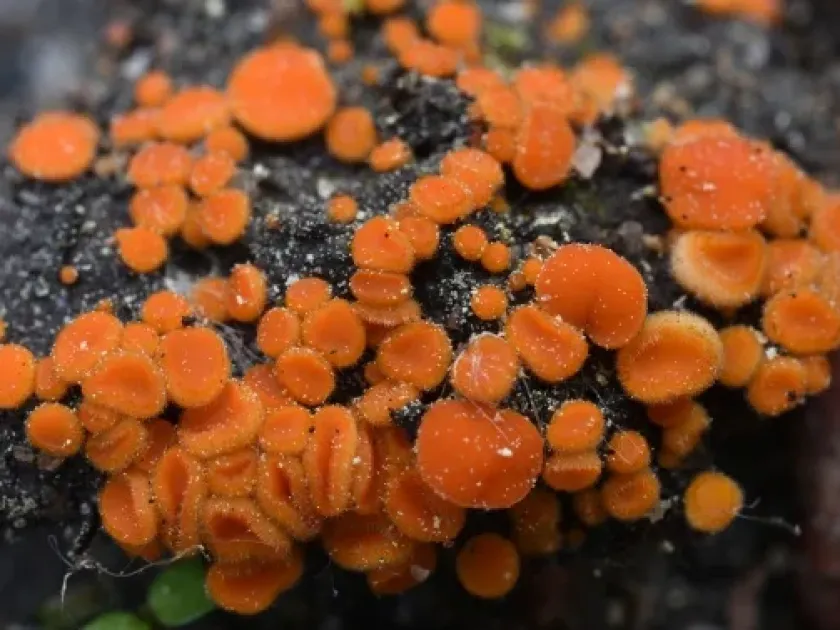
This fungus is recognized by its small, disc-shaped, orange-to-yellow apothecia that typically emerge on decomposing organic matter within greenhouse substrates.
The mycelium thrives in moist, organic-rich environments. The fungus spreads through the release of spores, which are easily disseminated by air currents, splashing water, or contaminated tools.
It is frequently found in greenhouse systems using peat-based or composted substrates that contain a high proportion of undecomposed plant materials.
While not directly attacking living plant tissues, its presence is a biological indicator that the growing medium is undergoing intensive decomposition or lacks a balanced microbial population.
Conditions for development
The development of Cheilymenia theleboloides is heavily influenced by moisture and temperature levels. High relative humidity (above 80%) is essential for the germination of its spores.
The fungus prefers temperatures between +18°C and +25°C. In these conditions, it rapidly colonizes the surface of the substrate, especially if it remains constantly wet.
Poor drainage and excessive watering regimes create waterlogged conditions, which are ideal for the growth of this saprotroph.
A high concentration of available organic matter and nitrogen in the soil solution provides the necessary fuel for the aggressive expansion of the mycelium.
Stagnant air within greenhouses promotes the accumulation of fungal spores, increasing the likelihood of widespread colonization across the growing area.
Why it matters
The primary concern regarding Cheilymenia theleboloides is its ability to outcompete beneficial microflora for nutrients within the rhizosphere.
Dense mycelial growth on the surface of the growing medium can create a crust, which hinders aeration and interferes with proper root zone gas exchange.
Though not a direct parasite, the fungus's metabolic activity can alter the pH and nutrient availability in the substrate, negatively affecting plant growth and vitality.
The appearance of visible orange fruiting bodies often suggests that the growing medium is too saturated, which may indirectly lead to the decline of seedling vigor.
In greenhouses, high levels of saprotrophic activity increase the overall environmental stress, potentially opening the door for opportunistic secondary infections.
Protection
The most effective strategy for control is to optimize the irrigation regime. Reducing surface moisture and ensuring adequate drainage prevents the conditions required for fungal growth.
Sterilization of the substrate prior to use is a crucial preventive measure. Proper heat treatment or pasteurization helps eliminate fungal spores from the growing medium.
Improving greenhouse ventilation and airflow is essential for maintaining lower humidity levels, which effectively inhibits the development of fungal fruiting bodies.
If colonization occurs, affected areas of the substrate should be mechanically removed and the remaining surface layer should be allowed to dry out.
- Incorporating beneficial microbes, such as Trichoderma species, into the substrate helps suppress the proliferation of undesirable fungi.
- Regular surface cultivation (shallow raking) improves aeration and discourages the formation of thick mycelial mats.
Discussion
No discussions yet — be the first.