
Sooty mold of citrus
Chaetothyrium javanicum
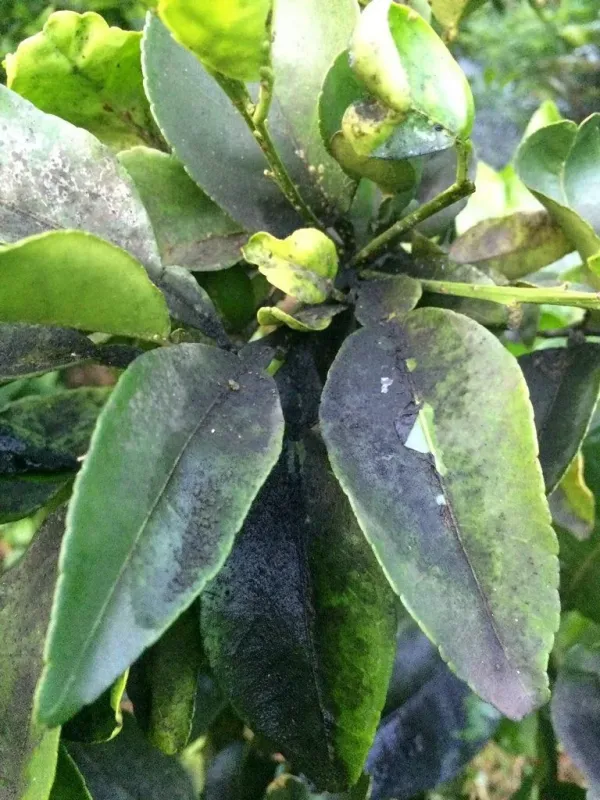
Description
Symptoms
The primary sign of infestation is the development of a dark, soot-like fungal growth on the upper surface of leaves, young shoots, and ripening citrus fruits.
Initially, the mold may appear as a light, dusty film, but as it matures, it develops into a thick, dark, and unsightly layer that covers the affected plant parts.
The mold is generally easy to remove physically, but it will quickly regrow if the underlying infestation of sap-sucking insects is not successfully managed.
The thick black layer blocks sunlight, which disrupts the tree's natural photosynthesis. Consequently, affected leaves may turn yellow and drop prematurely.
Fruits affected by sooty mold are often downgraded in quality. Their skin loses its natural luster, making them less attractive to consumers and harder to clean during processing.
Pathogen
The causative agent of this disease is the fungus Chaetothyrium javanicum, known as a type of sooty mold. It is an epiphytic fungus that grows primarily on the surface of plant parts.
The fungus is inextricably linked to the presence of sap-sucking insects, such as scale insects, aphids, or mealybugs. It feeds on the honeydew, a sugary substance secreted by these pests.
The mycelium of the fungus is characterized by its dark, black appearance, which gives the infected leaves and fruits a soot-like look. It forms a dense mat that attaches firmly to the leaf cuticle.
It is classified as a superficial disease rather than a tissue-penetrating pathogen, yet it poses significant risks to the overall health and productivity of the host tree.
Spore dispersal occurs primarily through wind currents, rain splashing, and insect activity, allowing the fungus to colonize large portions of the tree canopy rapidly.
Conditions for development
High humidity, foggy weather, and prolonged rainfall create an ideal environment for the rapid colonization of Chaetothyrium javanicum across the canopy.
The presence of honeydew-producing pests is the single most important factor for disease development. Without this food source, the fungus cannot thrive on the plant surface.
Dense canopies that lack proper air circulation retain moisture longer, which significantly favors the growth of the mold even when external weather conditions are moderate.
Temperatures ranging from 20°C to 28°C are optimal for the rapid growth and sporulation of the fungus, leading to quick spreading within a single season.
Poor orchard management, including excessive nitrogen fertilization that stimulates rapid, succulent growth, attracts more pests, thereby increasing the risk of sooty mold outbreaks.
Why it matters
The primary harm is the inhibition of photosynthesis due to the light-blocking effect of the fungal mat. This suppresses the tree's energy production and overall vigor.
Chronic infestation weakens the plant, making it more susceptible to other pests and opportunistic diseases that might have been easily resisted by a healthy tree.
Marketability of the citrus crop is drastically reduced. The cost of labor to clean the fruit often exceeds the economic benefit, leading to significant post-harvest losses.
Reduced photosynthetic capacity leads to smaller fruit size, lower sugar content, and overall poor quality of the harvest, impacting the grower's bottom line.
Severe and persistent outbreaks can cause branch dieback and general decline, eventually requiring intensive rehabilitation efforts for the affected citrus orchard.
Protection
Effective management begins with controlling the populations of sap-sucking insects. Insecticides should be used strategically to eliminate the source of the honeydew.
Pruning the trees to open up the canopy is a critical cultural practice. It improves airflow and sunlight penetration, which helps keep the foliage dry and discourages fungal growth.
Copper-based fungicides are highly effective at suppressing sooty mold growth and protecting the surface of leaves from further colonization during high-risk periods.
Regular monitoring of the orchard is essential to catch pest outbreaks before they lead to a significant accumulation of sooty mold.
- Application of systemic insecticides to eliminate pest colonies.
- Water pressure washing to remove existing mold from leaves.
- Strategic pruning for improved canopy ventilation.
- Maintaining healthy soil and balanced nutrition for robust tree immunity.
Discussion
No discussions yet — be the first.