
Chaetosphaeria innumera
Chaetosphaeria innumera
Description
Pathogen
Chaetosphaeria innumera is an ascomycete fungus commonly found in forest ecosystems. It primarily exists as a saprotroph, decomposing dead wood and organic debris, though it can occasionally affect weakened plants.
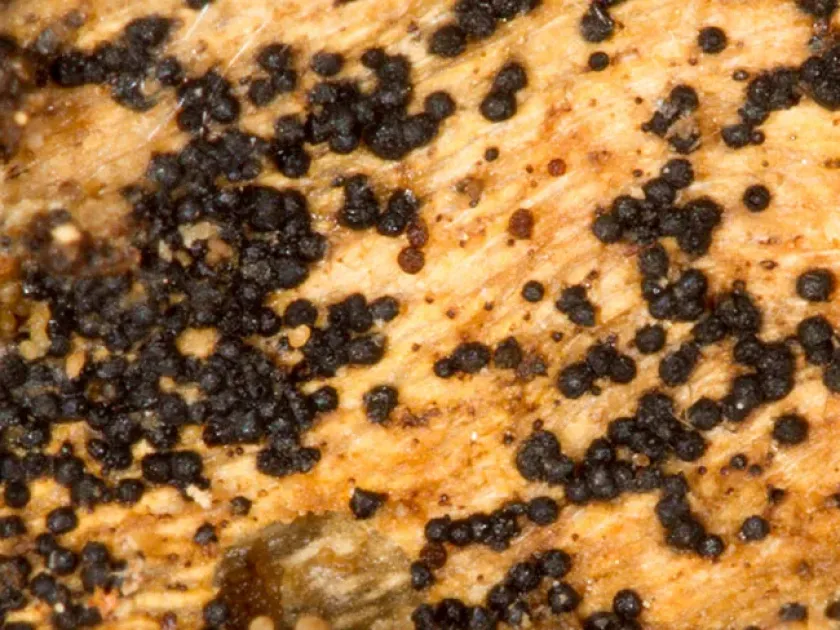
The fungus is characterized by the production of small, black, setose perithecia. These fruiting bodies are essential for the fungus's reproductive cycle, allowing it to release spores into the environment.
Its biological mechanism involves the enzymatic breakdown of lignocellulosic materials. By secreting specific enzymes, the mycelium penetrates deep into the xylem of trees, utilizing nutrients from the host's structural tissues.
Spore dissemination occurs via air currents and rainfall. Once spores land on exposed woody tissue, they germinate and initiate the colonization process, especially if the host surface is damp and nutrient-rich.
The species demonstrates high environmental plasticity, allowing it to survive in varying humidity levels. Its ability to remain dormant within bark crevices ensures the fungus persists even during less favorable conditions.
Conditions for development
High humidity and consistent moisture levels are the most critical factors for the rapid spread of this fungus. Rainy seasons, heavy dew, and persistent fog create the perfect environment for spore germination.
The fungus thrives within a moderate temperature range, typically between 12°C and 25°C. These temperatures coincide with the most active growing periods for trees, during which wounds are most vulnerable.
Mechanical damage is the primary entry point for Chaetosphaeria innumera. Frost cracks, pruning wounds, and injuries caused by pests serve as initial infection sites where the fungus begins its colonization.
Poor ventilation within a tree canopy or dense orchard planting inhibits air circulation. This results in the accumulation of moisture on branches, creating a favorable niche for fungal development.
Neglected orchard sanitation significantly increases infection pressure. The presence of decaying branches, old stumps, and accumulated leaf litter provides a reservoir for continuous fungal spore production.
Why it matters
The primary damage caused by Chaetosphaeria innumera is the degradation of wood structural integrity. The breakdown of lignin and cellulose weakens branches, increasing the risk of mechanical breakage.
By interfering with the vascular system, the fungus impairs water and nutrient transport. This leads to foliage yellowing, branch dieback, and a general decline in the overall vigor of the host plant.
Affected trees may experience stunted growth and premature senescence. In severe cases, the cumulative damage can lead to the death of specific limbs or the entire tree if the infection reaches the main trunk.
The presence of the fungus negatively impacts the aesthetic value of ornamental plants. Dark spots, discoloration, and necrotic areas on the bark are common symptoms that detract from the tree's health and appearance.
Once established, the infection serves as a source for further spread throughout the site. Left unmanaged, it creates a persistent disease pressure that can affect surrounding healthy specimens.
Protection
Preventive management focuses on maintaining plant vigor through proper arboriculture. Healthy, well-nourished trees possess stronger natural defenses against wood-decay pathogens.
Sanitary pruning is essential: all diseased or dead wood should be removed promptly. Sterilizing pruning tools between cuts is crucial to prevent the mechanical transmission of fungal spores.
Applying protective wound dressings or antifungal pastes to pruning cuts helps seal the exposed tissue against colonization. This barrier is critical during high-moisture periods.
Copper-based fungicide applications during the dormant season can help reduce surface spore populations. These treatments act as a preventative measure to limit initial infection sites.
Improving orchard layout to ensure adequate canopy airflow reduces micro-humidity levels. Consistent sanitation, including the removal of woody debris, is the most effective long-term strategy for disease control.
Discussion
No discussions yet — be the first.