
Ceriporiopsis
Ceriporiopsis
Description
Symptoms
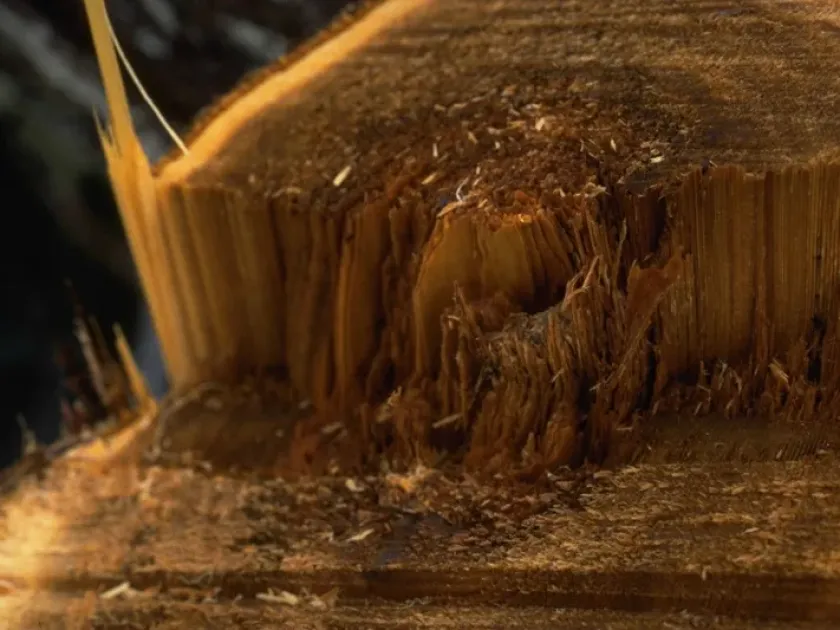
The most distinctive symptom of infection is the whitening and softening of wood, which becomes stringy and loses its structural density.
The presence of thin, white mycelial mats or cords under loose bark is a primary indicator of active fungal colonization.
Fruiting bodies, which are typically resupinate (crust-like) and porous, can be found on the bark surface or near the base of the tree.
In advanced stages, affected trees exhibit significant loss of rigidity, often resulting in "heart rot" that compromises the entire stem.
A noticeable change in the health of the canopy, such as premature leaf shedding or thinning, often corresponds to internal wood degradation.
Pathogen
The genus Ceriporiopsis comprises a group of wood-decaying basidiomycetes widely known for causing white rot in various tree species.
These fungi are highly efficient at degrading lignin, a complex polymer that provides structural integrity to woody tissues.
The mycelium develops inside the host plant, systematically breaking down cell walls and effectively consuming both lignin and cellulose.
Reproduction occurs primarily through the release of spores, which are disseminated by wind or physical contact with vectors.
Although they often act as saprotrophs on dead wood, they can opportunistically colonize living trees that have suffered from structural injuries.
Conditions for development
Moisture is the primary driver for fungal growth; high humidity levels in forest environments accelerate the decay process significantly.
Mechanical damage, such as frost cracks, pruning wounds, or animal damage, provides easy entry points for fungal spores to infect the tree.
Dense vegetation and poor air circulation create a microclimate that traps moisture, promoting spore germination and colonization.
Trees experiencing physiological stress, whether from drought, nutrient deficiency, or pest infestations, are significantly more susceptible.
The fungus thrives in moderate temperature ranges, typical of spring and autumn, which facilitates its rapid spread through wood tissues.
Why it matters
The structural integrity of the tree is severely compromised, leading to a high risk of stem failure, which poses a hazard in parks and forests.
Timber value is drastically reduced as the wood loses its strength and becomes prone to crumbling under even minor stress.
The gradual destruction of conducting tissues prevents the proper flow of water and nutrients, eventually killing the host tree.
Infected trees act as reservoirs for the pathogen, endangering surrounding healthy vegetation if left unmanaged.
Economic losses in silviculture are significant, requiring costly intervention and frequent sanitary logging to contain the spread.
Protection
Early detection through regular tree inspections remains the most effective strategy for managing outbreaks of Ceriporiopsis.
Proper pruning techniques, ensuring clean cuts and timely application of wound sealants, can effectively prevent fungal spore entry.
Maintaining optimal tree health through regular fertilization and adequate irrigation enhances the tree's natural defense mechanisms.
Promptly removing and burning infected limbs or entire trees is essential to break the cycle of infection within the ecosystem.
Implementing proper spacing in plantations improves ventilation, thereby reducing the localized humidity levels that fungi require to thrive.
Discussion
No discussions yet — be the first.