
Ceriporia viridans
Ceriporia viridans
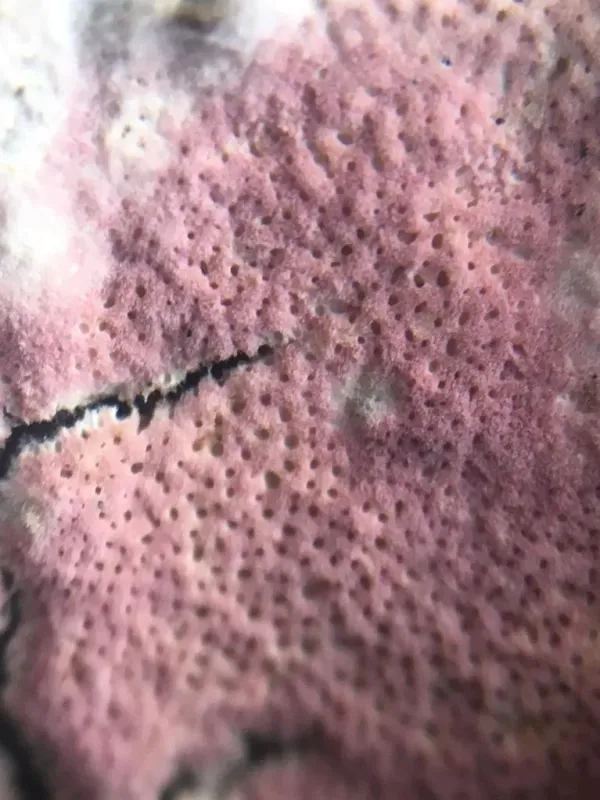
Description
Symptoms
The most prominent symptom of Ceriporia viridans infection is the development of wood rot, which causes the internal wood to become soft and friable.
Visible signs include the formation of thin, crust-like fungal fruiting bodies on the surface of bark, cracks, or exposed wood, often appearing greenish in color.
Infected wood frequently exhibits discoloration, losing its natural luster and appearing pale, yellowish, or dull as the internal breakdown progresses.
Trees affected by the fungus may show decline symptoms, such as premature leaf drop, canopy thinning, or dieback of smaller twigs and branches.
Mechanically, the wood may crumble or show significant structural failure when pressure is applied, indicating extensive internal decay caused by the mycelial network.
Pathogen
Ceriporia viridans is a wood-decaying fungus that belongs to the division Basidiomycota. It acts primarily as a saprotroph, decomposing dead organic matter, but can invade weakened living trees.
The mycelium of the fungus penetrates deep into the xylem of trees, effectively breaking down the structure of wood fibers through enzymatic activity.
Reproductive structures of the fungus, known as fruit bodies, are typically resupinate, meaning they grow flat against the surface of the wood. They often exhibit a distinct greenish or yellowish hue.
The fungus reproduces via spores, which are spread by wind, insects, or water, allowing it to colonize new areas when environmental conditions are suitable.
Biological degradation of the wood involves the breakdown of complex polymers, specifically lignin and cellulose, which are essential components of tree structural integrity.
Conditions for development
This fungus thrives in environments with high humidity and consistent moisture, which are critical for the successful germination of its spores.
Optimal temperatures for the growth of Ceriporia viridans mycelium range between 15 and 25 degrees Celsius, matching typical seasonal growth patterns.
Physical injuries to the tree, such as broken branches, bark wounds, or improper pruning cuts, act as entry points for the fungus to establish infection.
Poorly ventilated areas with stagnant air contribute to higher localized humidity, significantly increasing the probability of fungal colonization on vulnerable wood.
Trees already stressed by environmental factors, such as drought or waterlogging, have compromised natural defenses, making them prime targets for Ceriporia viridans.
Why it matters
The primary concern is the significant reduction in the mechanical strength and quality of the wood, rendering timber unsuitable for structural or industrial use.
In landscape and forest settings, the fungus can cause the premature death of trees, leading to economic losses and the loss of aesthetic value in gardens.
Advanced decay leads to structural instability, significantly increasing the risk of tree falls, which poses hazards to property and safety in populated areas.
Persistent presence of the fungus in an area serves as a source of spores, threatening to spread the infection to healthy, neighboring trees if left untreated.
The biological destruction of the transport system within the trunk disrupts nutrient flow, eventually leading to the total decline and death of the host plant.
Protection
Sanitation is the most effective management strategy, requiring the immediate removal and proper destruction of infected wood and debris to limit spore dispersal.
Proper pruning techniques are essential; all cuts should be clean, and large wounds should be sealed with specialized wound dressings to prevent fungal entry.
Maintaining high tree health through adequate watering and balanced fertilization helps the tree generate its own natural resistance against fungal pathogens.
- Regular inspection of the trunk and branches for fungal growth.
- Disinfecting pruning tools between trees to prevent cross-contamination.
- Removing and burning infected wood during the dormant season.
- Providing adequate soil drainage to prevent high humidity at the base.
Discussion
No discussions yet — be the first.