
Gray leaf spot of corn
Cercospora zeina
Description
Symptoms
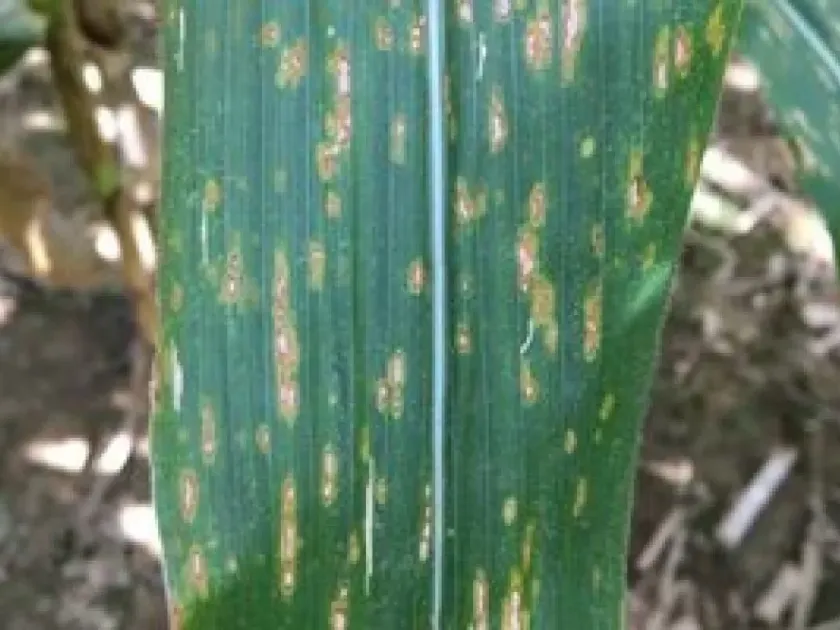
Initial symptoms typically appear on the lower leaves as small, indistinct, chlorotic spots. As the infection progresses, these spots expand into characteristic long, narrow, rectangular lesions that are delimited by leaf veins.
Lesions usually appear gray to tan in color. In humid conditions, a fuzzy, gray fungal growth consisting of conidiophores and spores can be observed on the underside of the leaf lesions.
When environmental conditions favor the pathogen, lesions may merge, eventually covering the entire leaf surface. This causes the leaf to wither and turn brown, resembling a leaf blight or severe fire damage.
The disease typically progresses from the bottom of the plant upwards. If the infection reaches the leaves above the ear during the grain-filling stage, the impact on yield can be devastating.
- Rectangular, vein-limited lesions.
- Grayish fungal sporulation on leaf surfaces.
- Rapid leaf blighting and tissue death.
- Reduced green leaf area for photosynthesis.
- Premature senescence of the entire plant.
Pathogen
The causal agent of this disease is the fungus Cercospora zeina. Previously identified as Cercospora zeae-maydis, recent taxonomic revisions have confirmed Cercospora zeina as the specific pathogen responsible for gray leaf spot in maize.
The fungus overwinters primarily in infected corn residue left on the soil surface. During the growing season, conidia are produced on these remnants and spread to healthy plants via splashing rain and wind currents.
Upon landing on a leaf, the fungal spores germinate and penetrate through the stomata. Once inside, the fungus secretes the toxic compound cercosporin, which generates reactive oxygen species, causing rapid cell death and tissue necrosis.
The life cycle of the pathogen is highly efficient in intensive cropping systems. Under favorable environmental conditions, multiple cycles of spore production can occur within a single season, leading to rapid disease escalation.
The survival of the fungus is highly dependent on the amount of infested debris remaining from the previous year, making disease management highly linked to residue management practices.
Conditions for development
Gray leaf spot development is strongly driven by high relative humidity, frequent rainfall, and extended periods of leaf wetness. These conditions are necessary for spore germination and lesion expansion.
The optimal temperature range for the pathogen is between 22 and 30 degrees Celsius. Sustained warm nights combined with heavy dew or fog provide the perfect microenvironment for the fungus to multiply.
No-till or reduced-tillage systems often create a higher risk for this disease because they leave infected corn residue on the surface, serving as a continuous reservoir for inoculum.
Dense plant populations limit airflow, keeping the leaf canopy moist for longer durations during the day. This prolonged wetness is critical for the pathogen to successfully colonize the host tissues.
While the disease is less active in arid or dry conditions, any moisture provided by irrigation systems in such areas can maintain the disease pressure throughout the critical reproductive phases of the corn.
Why it matters
The primary economic impact of gray leaf spot is the severe reduction in grain yield caused by the destruction of leaf area. With insufficient foliage, the plant cannot produce enough carbohydrates for kernel filling.
Yield losses can range from 15% to 40% or more, depending on the severity of the infection and the timing of its onset. Furthermore, kernel weight and overall grain quality are significantly reduced.
The disease also weakens the stalks, leading to increased susceptibility to stalk rots and lodging. This makes harvesting difficult and can result in additional losses due to dropped ears or lodged plants.
In addition to yield loss, the disease may lead to contaminated or lower-grade grain, which can be difficult to sell or process in industrial applications. It remains a major concern for corn producers worldwide.
Economic damage is compounded by the costs of fungicide applications and the need for more intensive management practices to mitigate the risks associated with recurring infections on vulnerable hybrids.
Protection
The most effective long-term management strategy for gray leaf spot is the use of resistant or tolerant maize hybrids. Breeders continuously work to incorporate resistance traits into commercial lines.
Cultural practices are essential for reducing the inoculum load. Crop rotation to non-host species is highly recommended to allow for the natural degradation of infested corn residue.
Tillage practices that bury crop residues can significantly reduce the amount of primary inoculum available at the start of the next season. However, this must be balanced against soil conservation goals.
Fungicide applications may be necessary in environments with high disease pressure. Preventive or early-stage applications using strobilurins or triazoles are most effective at protecting the critical ear-leaf area.
Monitoring the fields and utilizing disease forecasting models based on weather data can help farmers make informed decisions about if and when to apply chemical controls to maximize return on investment.
Discussion
No discussions yet — be the first.